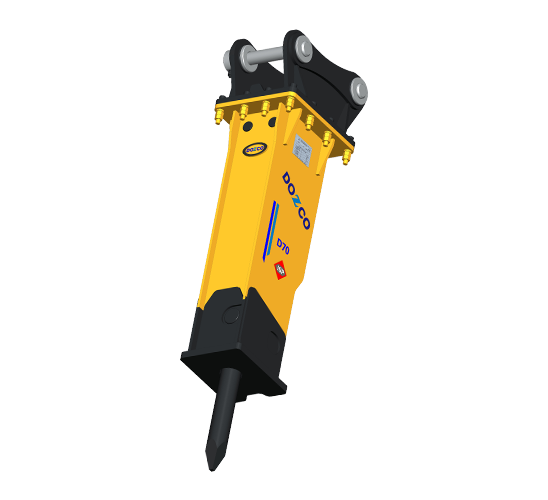
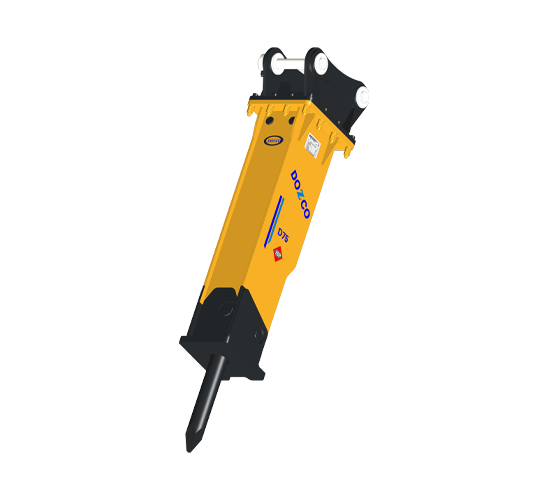
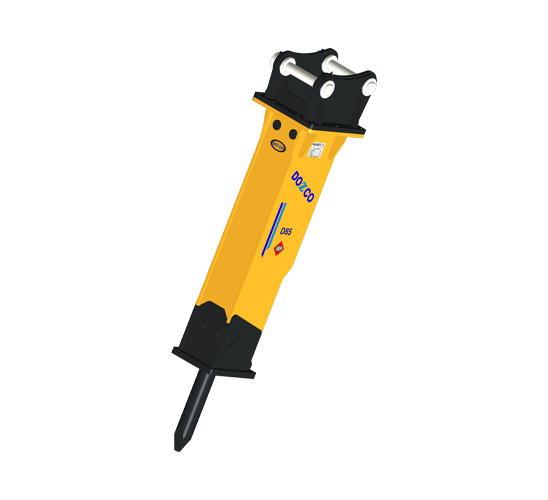


 " alt="How Rock Breakers Improve Civil & Mining Productivity">

Civil construction and mining projects depend on how efficiently crews excavate hard ground, remove rock and prepare materials for the next stage of work. Bedrock, large boulders and oversized rock fragments can slow excavation, delay foundation work and interrupt quarry operations. These problems increase equipment operating hours and raise the cost of completing a project.
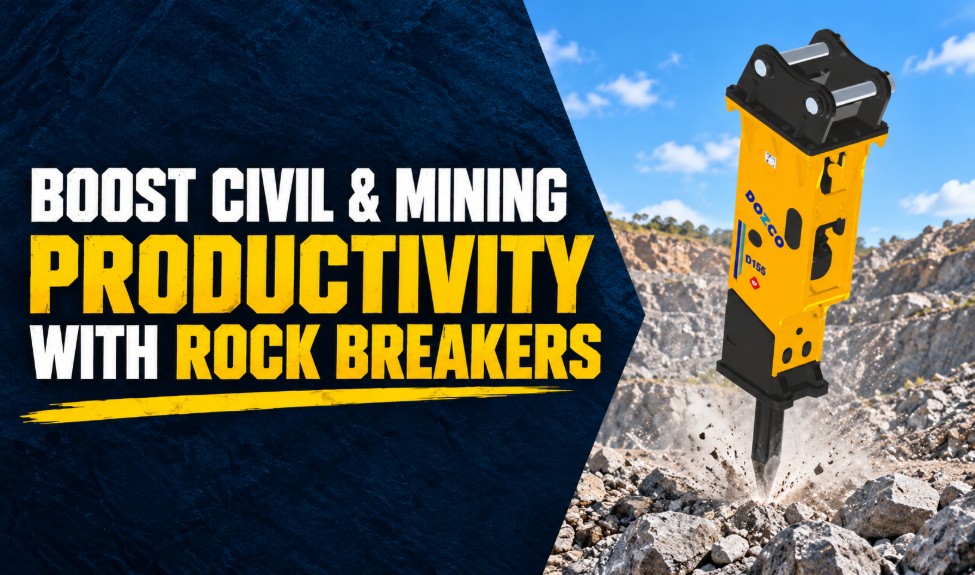
A hydraulic rock breaker helps address these challenges by using hydraulic energy to deliver repeated impacts against hard material.
However, productivity depends on more than impact speed. The breaker must suit the rock formation, hydraulic system, carrier weight and required output.
In this blog, we will explain how civil contractors and mining operators can select the right equipment for their site requirements.
What Is a Rock Breaker and How Does It Work?
A rock breaker is a hydraulic attachment that fractures rock, concrete and other hard materials through repeated mechanical impacts. Contractors commonly mount it on excavators for foundation excavation, trenching, road construction, demolition, quarrying and mining.
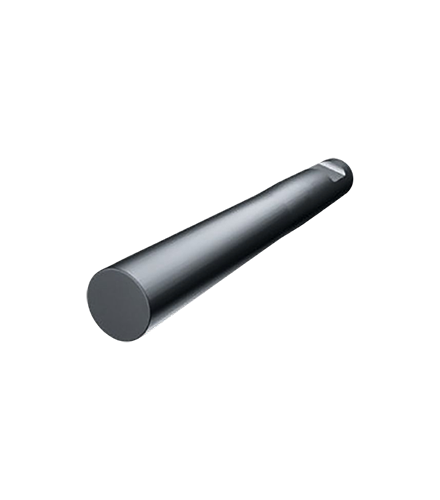
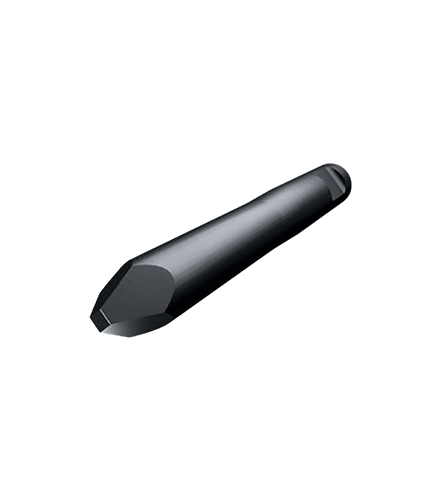
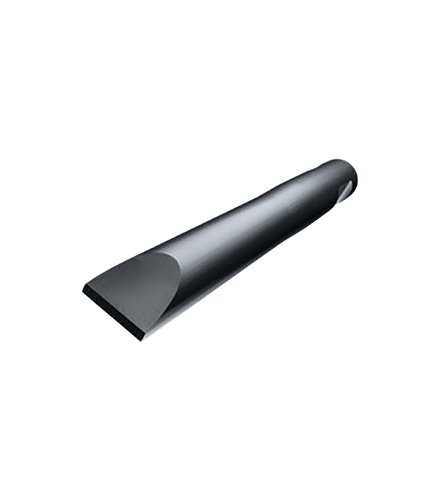
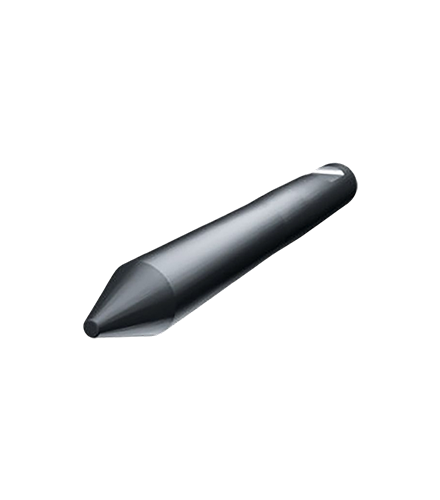
The excavator supplies pressurised hydraulic oil to the breaker. This oil drives an internal piston, which strikes the working tool. The tool transfers the impact energy into the material, creating cracks that spread until the rock or concrete fractures.
An excavator rock breaker combines the breaker’s impact mechanism with the excavator’s reach and positioning capability. As a result, operators can move the attachment across the work area and concentrate breaking effort on specific sections of hard material.
How Rock Breakers Improve Civil Construction Productivity
Faster Excavation in Hard Ground
Hard rock and large boulders can prevent an excavator bucket from advancing through the ground at the required rate. A rock breaker fractures these obstructions so the excavator can remove the loosened material.
This method suits foundation pits, road cuttings, utility trenches and other excavations that encounter isolated rock formations. Crews can alternate between breaking and material removal, which reduces unnecessary equipment movement.
Better Control During Foundation and Trenching Work
Civil projects require accurate excavation around foundations, pipelines, drainage systems and existing structures. Excessive breaking can damage surrounding material or create unwanted overbreak.
An excavator rock breaker allows operators to target specific sections of rock and adjust the working position as excavation progresses.
Contractors must still assess underground utilities, nearby structures and vibration limits. Hydraulic breaking produces vibration and flying debris, so operators need suitable exclusion zones and site-specific safety controls.
Reduced Dependence on Drilling and Blasting
Drilling and blasting remain useful for large volumes of competent rock. However, blasting requires careful planning, controlled access, suitable permits and additional safety measures.
A rock breaker offers an alternative for isolated boulders, restricted work areas and locations where blasting is unsuitable.
Mechanical breaking is not always the most economical option for large-scale rock removal. Contractors should compare expected output, fuel use, labour, equipment hours and site restrictions before choosing between breaking and blasting.
How Rock Breakers Improve Mining and Quarry Productivity
Reducing Oversized Rock Before Crushing
Mining and quarry operations can produce fragments that exceed the feed opening of a crusher or the capacity of downstream equipment. These oversized pieces can obstruct material flow and interrupt production.
A rock breaker can reduce the size of these fragments before they enter the next processing stage. This helps operators manage oversize material and reduce interruptions caused by blocked feed points.
Improving Access in Restricted Areas
Mining and civil sites can include narrow excavations, uneven benches and confined working areas. A suitably sized excavator rock breaker allows operators to reach and break hard material without bringing in a separate breaking machine for every task.
The excavator’s boom and arm help position the tool across the work area. This can support trench development, bench preparation, localised rock removal and selected tunnelling-related tasks.
Controlling Material Fragmentation
The size of broken material affects loading, transport, crushing and disposal. Oversized fragments may require additional breaking, while unsuitable fragmentation can create handling problems downstream.
Rock joints, bedding planes and natural fractures also affect how the material breaks, so operators must adjust tool placement and the breaking sequence to suit site conditions.
Which DOZCO Rock Breaker Suits Your Application?
DOZCO supplies hydraulic rock breakers and excavator hammer attachments for civil construction, mining, quarrying and demolition projects across Australia.
Based on the Australian jobsite conditions, the right rock breaker depends on the excavator’s operating weight, hydraulic capacity and the material you need to break.
Our range covers different carrier sizes and applications, from light demolition and asphalt removal to hard-rock excavation, reinforced-concrete breaking and tunnelling.
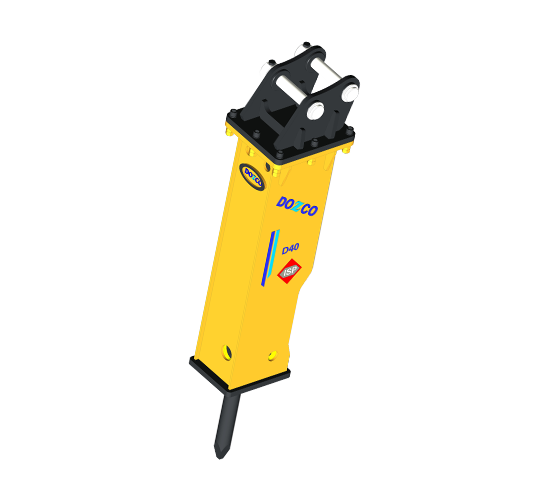
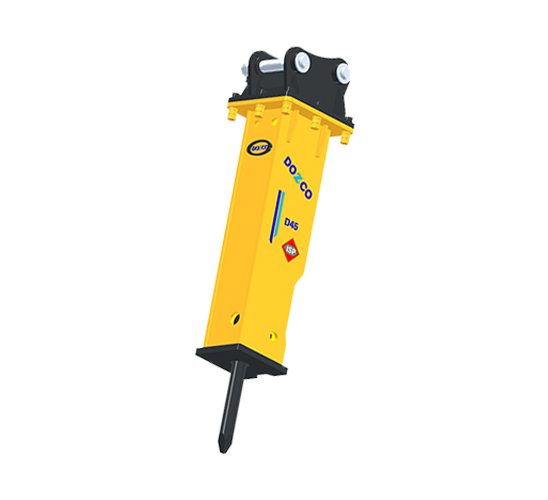
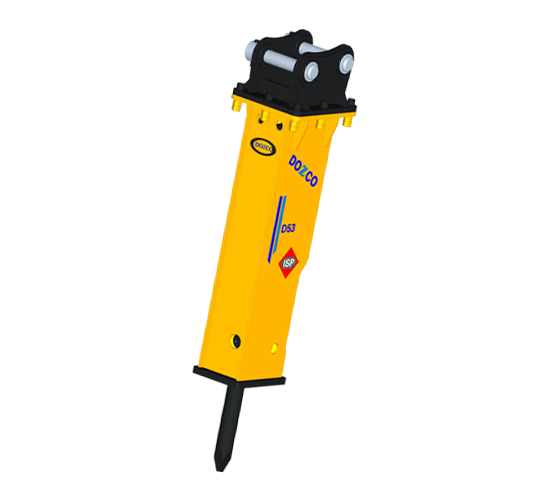
Given below are some rock breaker models along with their specifications which align with different site requirements.
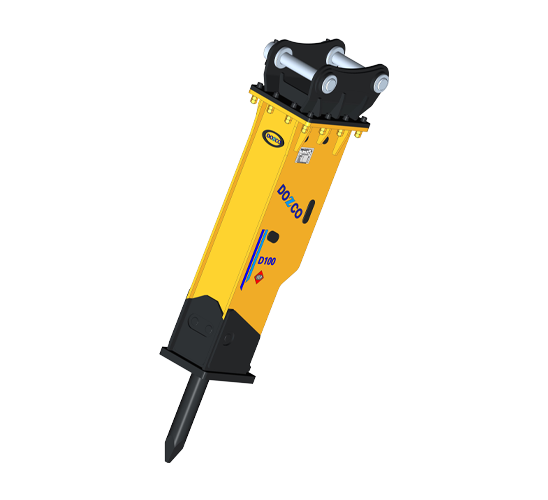
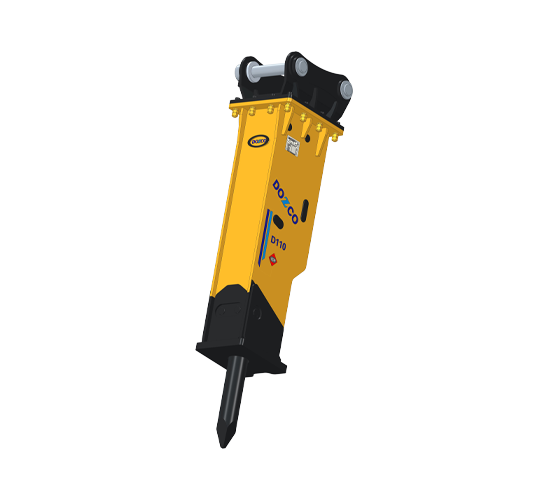
DOZCO D100:
The DOZCO D100 is designed for mini-excavators, backhoes and skid steer loaders. Its applications include mining, quarrying, road construction, demolition, and trenching compaction.
Specs:
- Operating weight: 989 kg for the box type.
- Tool diameter: 100 mm.
- Optimal oil flow: 80 – 110 litres per minute.
- Operating pressure: 140 – 170 bar.
- Impact rate: 350 – 700 blows per minute.
- Applicable carrier: 10.0 – 14.0 tonnes.
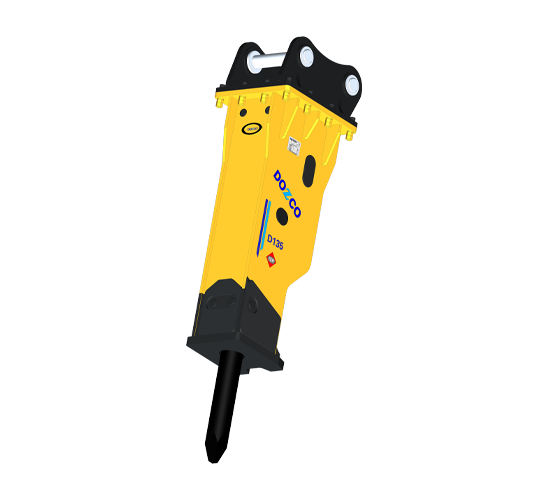
DOZCO D135:
The DOZCO D135 is intended for more demanding rock-breaking work, including primary and secondary breaking, tunnelling and reinforced-concrete removal. It is listed under the Medium range category of rock breakers.
Specs:
- Operating weight: 1,725 kg for the box type.
- Tool diameter: 135 mm.
- Optimal oil flow: 120–180 litres per minute.
- Operating pressure: 160–190 bar.
- Impact rate: 300–550 blows per minute.
- Applicable carrier: 18–26 tonnes.
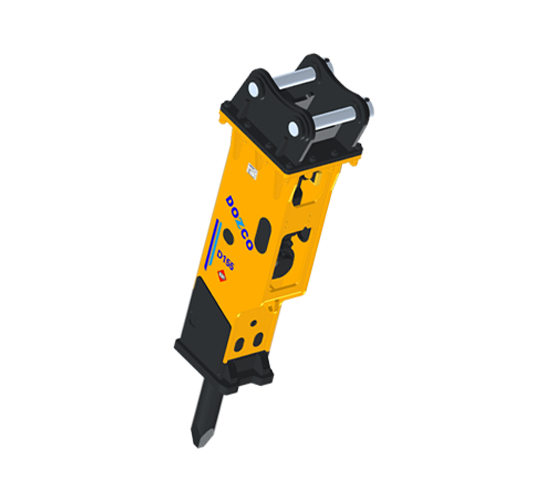
DOZCO D155:
The DOZCO D155 is engineered for heavy-duty applications such as primary and secondary breaking, tunnelling and reinforced-concrete removal. It is listed for excavators in the Heavy range.
Specs:
- Operating weight: 2,550 kg.
- Tool diameter: 155 mm.
- Optimal oil flow: 180–240 litres per minute.
- Operating pressure: 160–190 bar.
- Impact rate: 300–450 blows per minute.
- Applicable carrier: 28–36 tonnes.
The D155 includes an accumulator and anti-blank firing system, with automatic greasing available as an option.
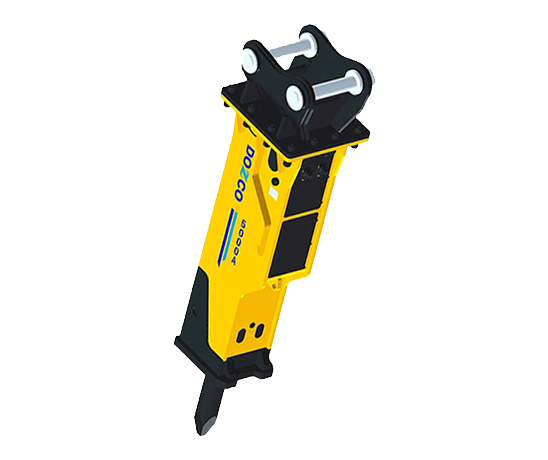
DOZCO 5000A:
The DOZCO Rock Breaker 5000A is a reliable and powerful heavy-duty hydraulic hammer attachment designed to handle challenging rock-breaking tasks efficiently and precisely, even in demanding conditions.
Specs:
- Operating weight: 4,269 kg.
- Tool diameter: 175 mm.
- Optimal oil flow: 240–320 litres per minute.
- Operating pressure: 150–190 bar.
- Impact rate: 200–350 blows per minute.
- Applicable carrier: 45–60 tonnes.
Before selecting any DOZCO model, check the latest specifications, approved excavator compatibility, mounting arrangement and hydraulic limits. All model details are available at https://dozco.com.au/rock-breakers/.
Final Thoughts
Rock-breaking challenges vary across civil and mining projects, so contractors must look beyond impact rate when selecting an attachment.
They should assess the material, excavator capacity and site requirements first. Then choose a rock breaker that meets the site’s production needs without adding avoidable costs, downtime or equipment strain.
FAQs
1. How does a rock breaker work?
A rock breaker converts pressurised hydraulic fluid from an excavator into repeated mechanical impacts. An internal piston strikes the tool, which transfers impact energy into rock or concrete and fractures the material.
2. What determines the selection of an excavator rock breaker?
An excavator rock breaker should be selected based on the carrier’s operating weight, hydraulic flow, operating and return-line pressure, rock hardness, and the required breaking output.
3. When should contractors use a rock breaker instead of drilling and blasting?
A rock breaker suits selective excavation, isolated boulders and restricted sites where blasting is impractical. Drilling and blasting may remain more economical for large volumes of hard rock.
4. Which DOZCO rock breaker suits heavy-duty mining applications?
The DOZCO D155 suits 28–36-tonne carriers, while the 5000A suits 45–60-tonne carriers. Contractors must verify hydraulic compatibility and the manufacturer’s approved carrier range before use.