

 ">
">

Downtime is expensive on construction and mining sites. When an excavator and its breaker are standing still, work slows down, labour remains engaged, and project schedules can quickly fall behind. While some breakdowns are unavoidable, many can be prevented by choosing and setting up the right hydraulic rock breaker.
The right setup is not simply about selecting a powerful breaker. The excavator, hydraulic system, breaker size, working tool, material, and operating method all need to be compatible. When these factors are aligned, the breaker can deliver more consistent performance with fewer avoidable interruptions.
1. Start With the Right Breaker-Excavator Combination
The first step is selecting a breaker that is suitable for the excavator’s operating weight and hydraulic capacity. A breaker that is too large can place unnecessary load on the carrier, while an undersized breaker may struggle with demanding material and take longer to complete the work.
Before fitting an excavator rock breaker, check:
● Excavator operating weight
● Required hydraulic oil flow
● Operating pressure
● Return-line requirements
● Hose size and hydraulic connections
This initial compatibility check can prevent problems that might otherwise appear only after the machine reaches the job site.
2. Match the Breaker to the Work
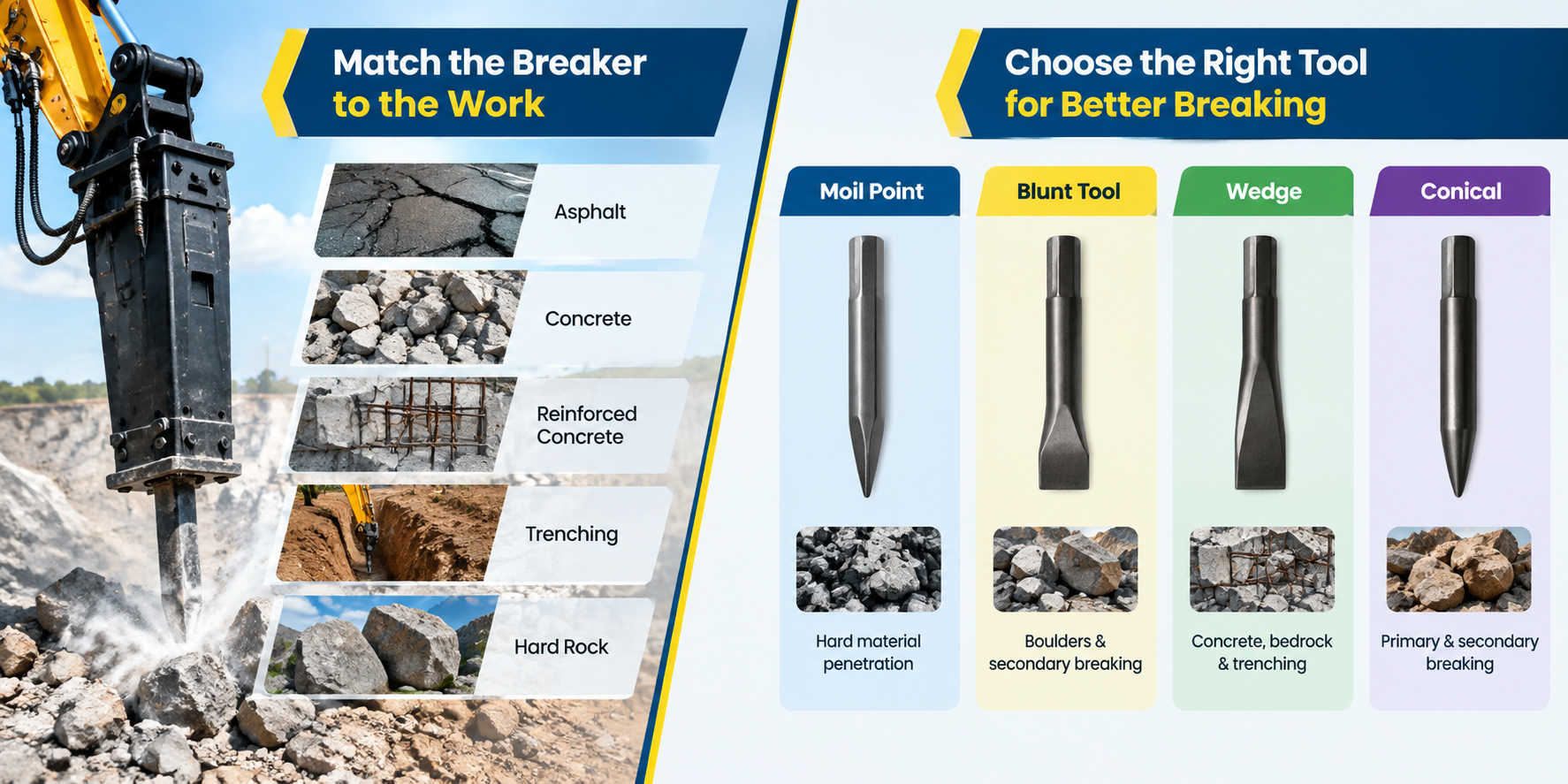
Not every breaking job requires the same level of impact. Asphalt removal, concrete demolition, reinforced concrete, trenching, and hard-rock breaking can place very different demands on a breaker.
The application should therefore be considered alongside the excavator. Lighter work may call for a compact breaker, while quarrying or heavy-duty rock breaking may require a larger attachment with greater impact capability.
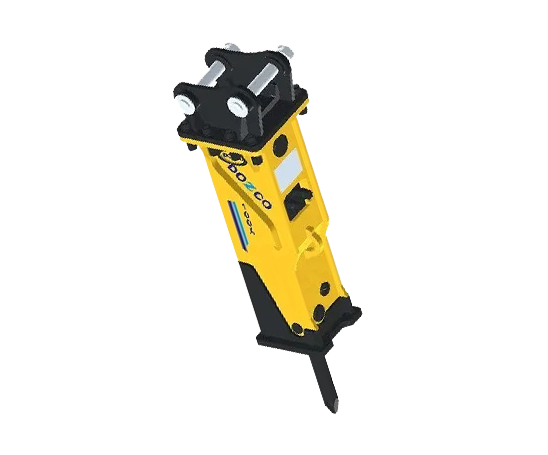
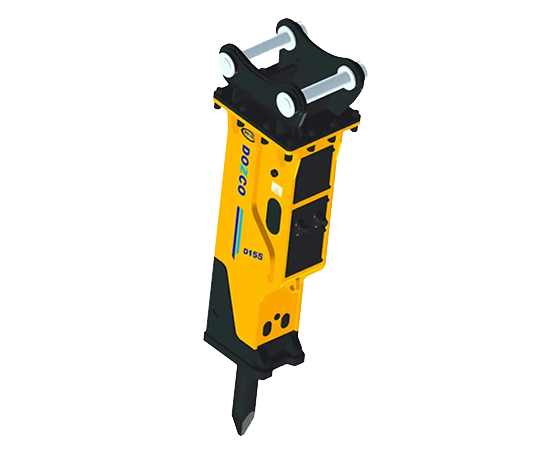
For example, the DOZCO D155 is designed for 28–36-ton excavators, with an optimal oil-flow range of 180–240 lpm and a 155 mm tool diameter. Its Anti-Blank Firing technology is also designed to prevent unnecessary firing when the breaker is not properly engaged with the material.
3. Choose the Right Tool for Better Breaking
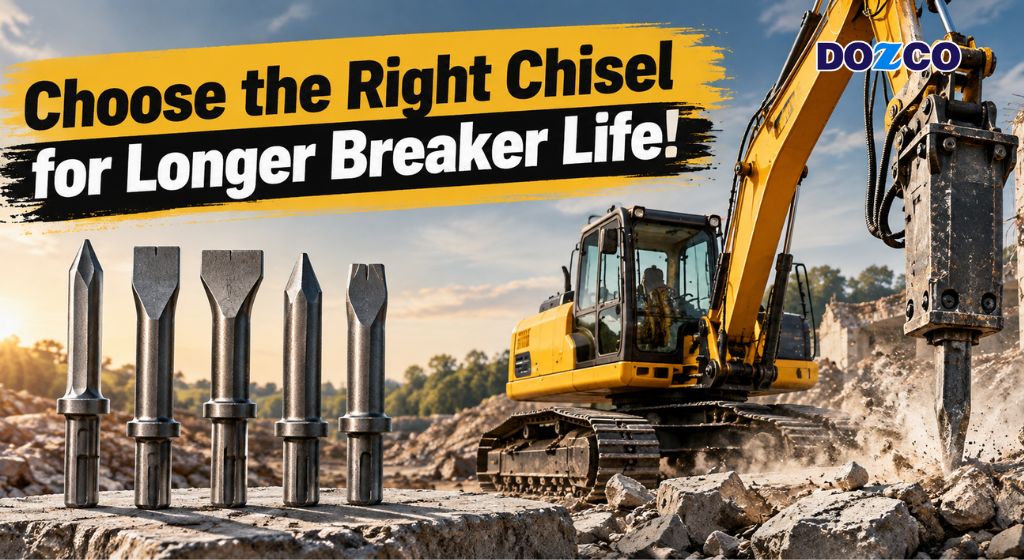
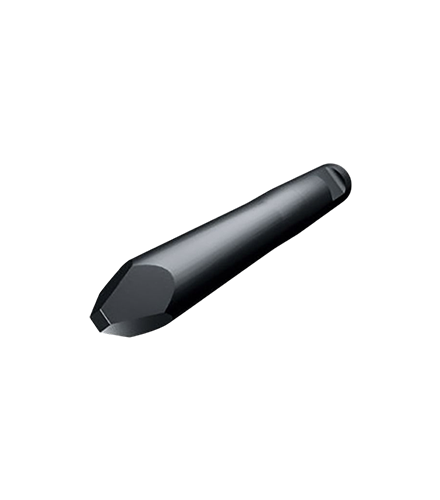
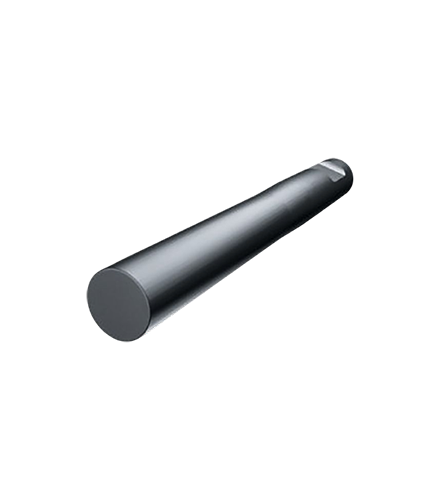
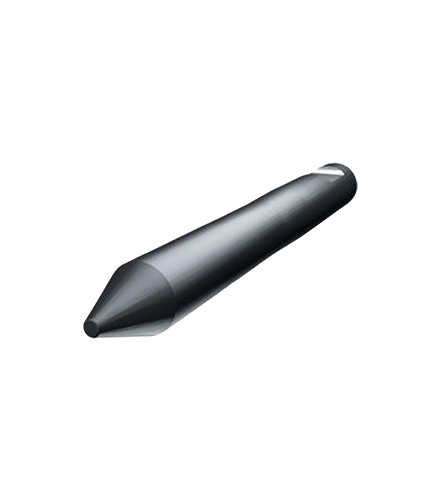
The rock breaker tool you use can change how your breaker performs on site. If you are working through hard rock, concrete, or boulders, the tool needs to suit the material. Different profiles are suited to different materials and breaking requirements.
Here is a simple way to choose:
- Moil point: Useful where penetration into hard material is required.
- Blunt tool: Often used for secondary breaking and boulders.
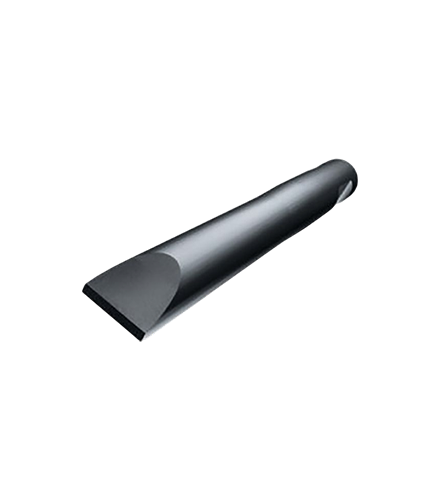
- Wedge: Suitable for certain concrete, bedrock, and trenching applications.
- Conical tool: Can be used for particular primary and secondary breaking work.
When the tool matches the job, the breaker can work more effectively instead of being pushed beyond what the application requires.
4. Keep the Hydraulic System Within Specification
A powerful hydraulic rock breaker is only as effective as the hydraulic system supporting it. The right oil flow and operating pressure keep the breaker working at its intended performance level, while incorrect settings can lead to poor impact, excess heat, and unnecessary component wear.
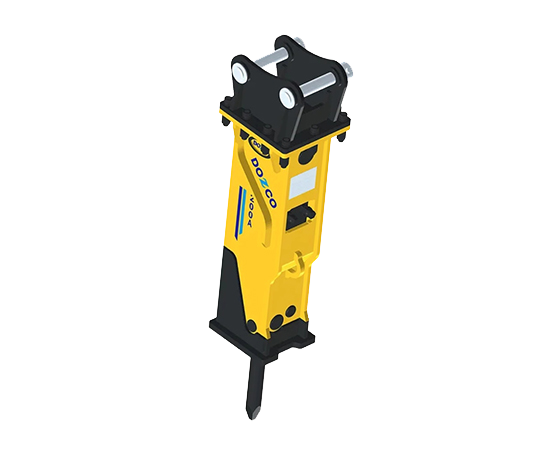
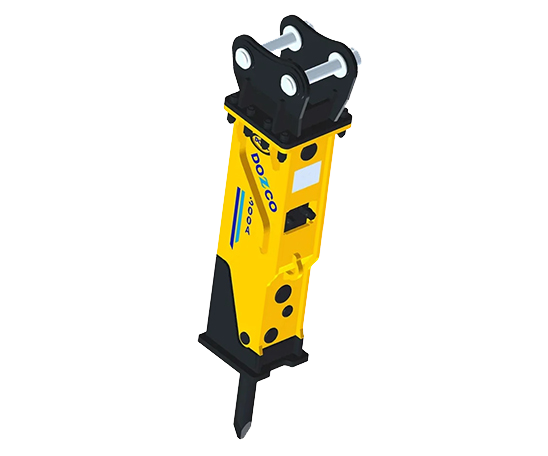
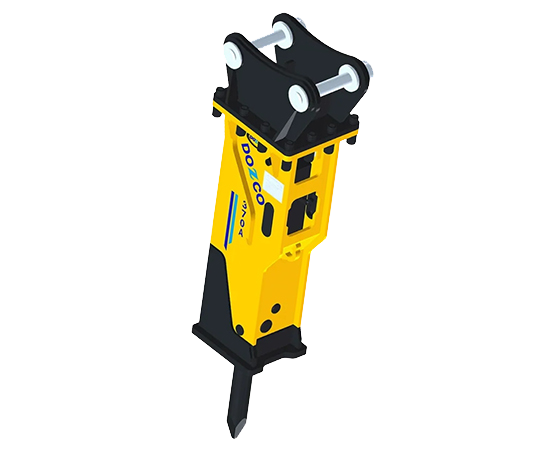
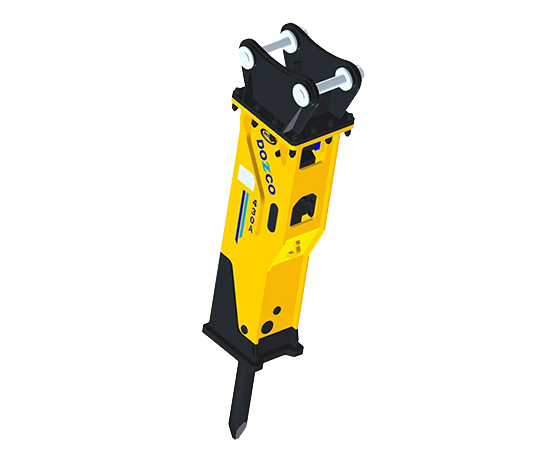
At DOZCO, our rock breaker range covers different excavator sizes and hydraulic requirements, so there is no one-size-fits-all specification. From compact machines to heavy-duty excavators, each breaker is designed around a specific carrier range.
| Range | Model | Carrier Range | Operating Weight | Tool Diameter | Tool Length | Oil Flow | Setting Pressure | Operating Pressure | Impact Rate |
|---|---|---|---|---|---|---|---|---|---|
| Light Plus | 100A | 0.5–1.5 ton | 138 kg | 40 mm | 450 mm | 15–30 lpm | 150 bar | 90–120 bar | 800–1,400 BPM |
| 200A | 1.0–2.5 ton | 176 kg | 45 mm | 500 mm | 20–40 lpm | 150 bar | 90–120 bar | 700–1,200 BPM | |
| 300A | 2.4–4.0 ton | 215 kg | 53 mm | 550 mm | 25–50 lpm | 150 bar | 90–120 bar | 600–1,100 BPM | |
| Light | 370A | 3.0–7.0 ton | 359 kg | 68 mm | 700 mm | 40–70 lpm | 170 bar | 110–140 bar | 500–900 BPM |
| 430A | 4.0–8.0 ton | 434 kg | 75 mm | 700 mm | 50–90 lpm | 180 bar | 120–150 bar | 400–800 BPM | |
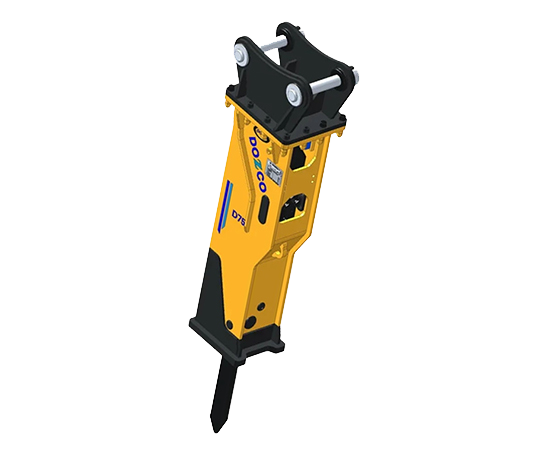
| D75 | 4.0–8.0 ton | 426 kg | 75 mm | 700 mm | 50–90 lpm | 180 bar | 120–150 bar | 400–800 BPM | |
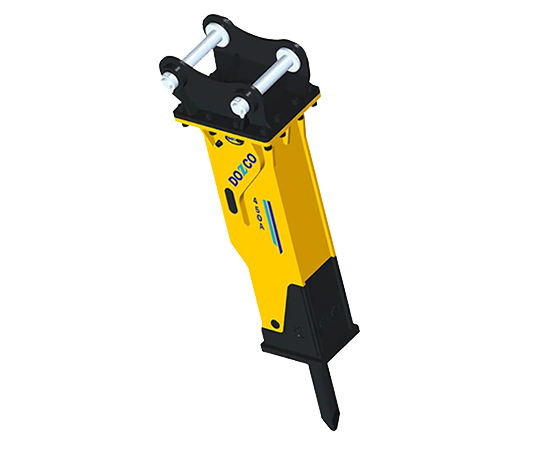
| 450A | 6.0–9.0 ton | 632 kg | 85 mm | 800 mm | 60–100 lpm | 180 bar | 130–160 bar | 400–800 BPM | |
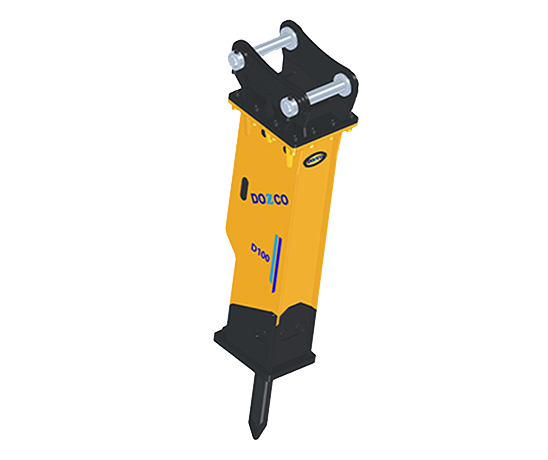
| D100 | 10.0–14.0 ton | 940 kg | 100 mm | 1,000 mm | 80–110 lpm | 200 bar | 140–170 bar | 350–700 BPM | |
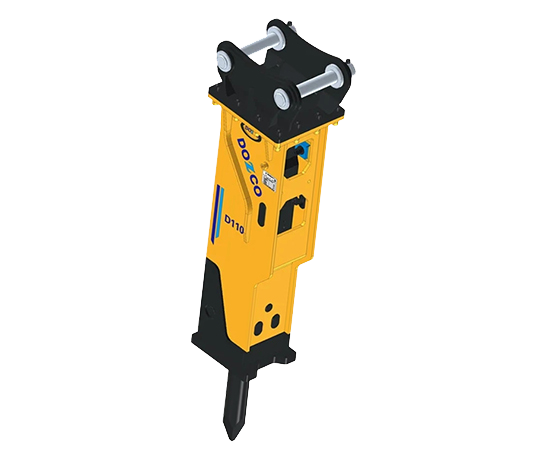
| Medium | D110 | 12.0–16.0 ton | 973 kg | 110 mm | 1,000 mm | 90–120 lpm | 200 bar | 150–180 bar | 350–650 BPM |
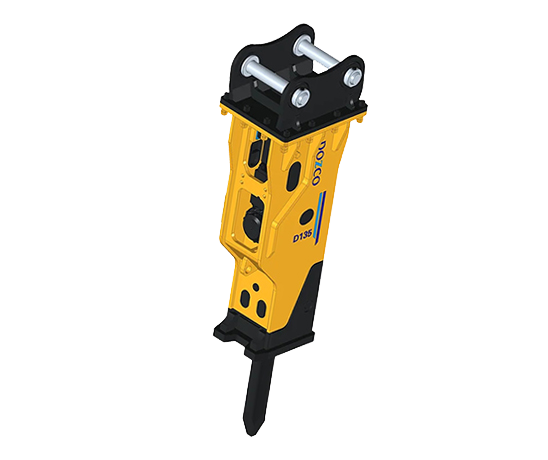
| D135 | 18.0–26.0 ton | 1,725 kg | 135 mm | 1,200 mm | 120–180 lpm | 220 bar | 160–190 bar | 300–550 BPM | |
| Heavy | D155 | 28.0–36.0 ton | 2,550 kg | 155 mm | 1,400 mm | 180–240 lpm | 220 bar | 160–190 bar | 300–450 BPM |
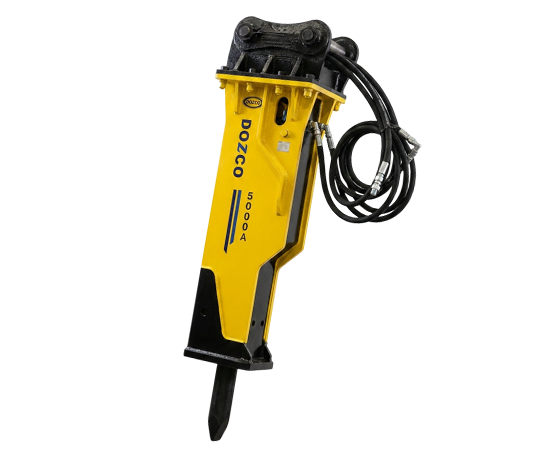
| 5000A | 45.0–60.0 ton | 4,269 kg | 175 mm | 1,500 mm | 240–320 lpm | 220 bar | 150–190 bar | 200–350 BPM |
5. Make Pre-Shift Inspection Part of the Routine
A quick inspection before work begins can help identify issues before they interrupt production. This is especially important when a hydraulic excavator breaker is being used for long hours in construction, mining, or quarrying.
Before starting, check:
- Tool, pins, and bushes for visible wear
- Hydraulic hoses and connections for leaks or damage
- Mounting and frame areas for cracks
- Lubrication points and grease condition
Pay attention to changes in the breaker’s condition. Unusual movement, visible damage, or a hydraulic leak should be addressed before the attachment goes back into production.
6. Operate the Breaker Correctly
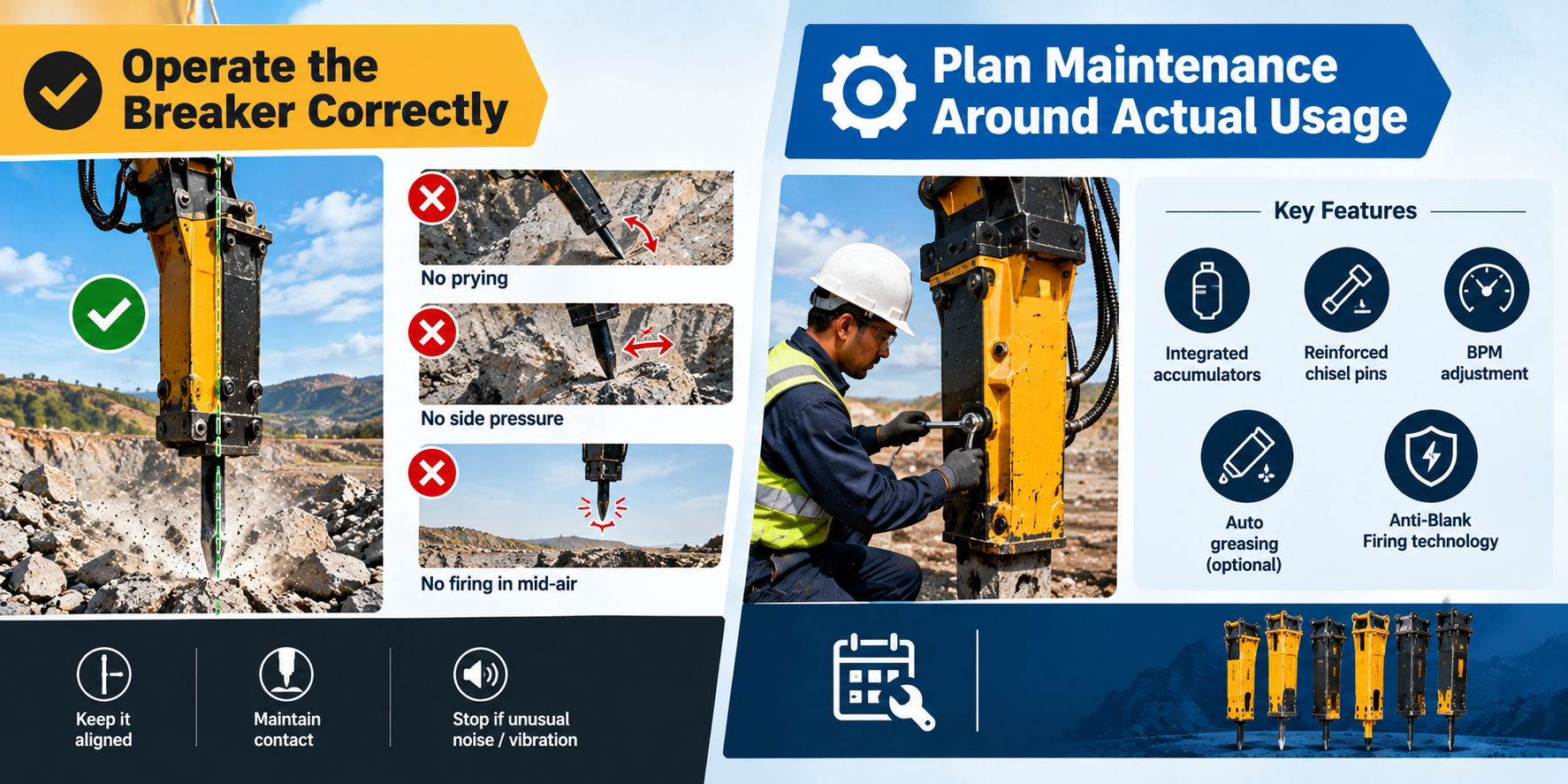
Even the right rock breaker can wear faster when it is not used properly. The breaker should stay in line with the material being broken, with the tool making firm contact throughout the job.
Operators should avoid using the breaker to pry or move material, putting heavy side pressure on the tool, or firing when the tool has lost contact with the surface. If the breaker starts producing unusual noise, vibration, or impact, stop and check it rather than continuing the work.
7. Plan Maintenance Around Actual Usage
Maintenance should be planned around how hard and how often the breaker is being used. A breaker working every day in hard rock will naturally need closer attention than one used occasionally for lighter demolition.
Depending on the model, DOZCO hydraulic rock breakers come with features such as integrated accumulators, reinforced chisel pins, BPM adjustment, optional auto greasing, and Anti-Blank Firing technology. These features support the breaker’s operation, while scheduled servicing keeps the equipment ready for continued use.
Final Verdict
Downtime cannot always be avoided, but the right hydraulic rock breaker can make it easier to control. A breaker suited to the machine, material, and working conditions gives operators a dependable solution for demanding jobs.
If you are an operator reading this blog and are still confused about which breaker is right for your machine, explore our range of DOZCO hydraulic rock breakers or connect with our team to find the right solution for your equipment and application.
FAQs:
What size rock breaker do I need for my excavator?
The right size depends mainly on your excavator’s operating weight, hydraulic flow, and pressure. The type and hardness of the material also matter. Always check the breaker’s recommended carrier range and hydraulic requirements before choosing one.
How do I choose a hydraulic breaker?
Consider the excavator you are using, the material you need to break, and the type of work involved. Hard rock, concrete, demolition, trenching, and asphalt removal can have different requirements. The breaker should match both the machine and the application.
What causes a hydraulic breaker to lose power?
A loss of breaker performance can be caused by incorrect hydraulic flow or pressure, hydraulic leaks, worn components, poor lubrication, or an unsuitable working tool. Checking the hydraulic system and breaker condition can help identify the cause before it leads to extended downtime.
What should I check before using a hydraulic rock breaker?
Before starting work, check the breaker, tool, pins and bushes, hydraulic hoses, connections, and lubrication points. Also make sure the breaker is correctly mounted and that the excavator’s hydraulic flow and pressure are within the recommended range.