

 " alt="How Rubber Tracks Improve Grip, Stability, and Operator Comfort on Site">

Imagine you are working on a residential construction site. The excavator needs to cross a paved driveway, move over damp soil, and dig close to a garden wall. You need enough grip to move the machine without damaging the finished surfaces. At the same time, the excavator must remain stable as you reposition it around the site.
Rubber tracks offer a practical option for these conditions. They provide traction on suitable surfaces, help limit ground damage, and absorb part of the impact generated during travel. These features make them useful for landscaping, residential construction, and urban utility projects.
However, rubber tracks are not suitable for every application. The right choice depends on the terrain, machine specifications, operating conditions, and expected wear.
This blog explains how excavator rubber tracks affect traction, stability, and operator comfort, along with the factors to consider before choosing them.
How Do Rubber Tracks Work on an Excavator?
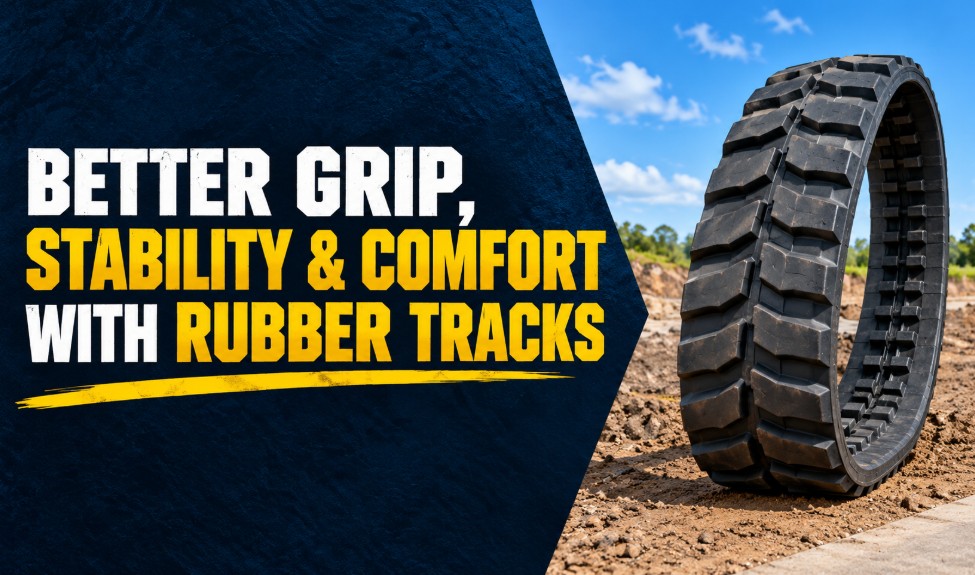
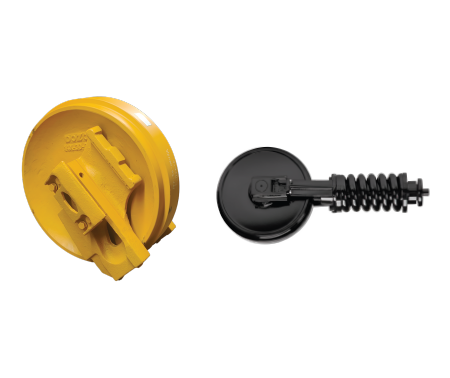
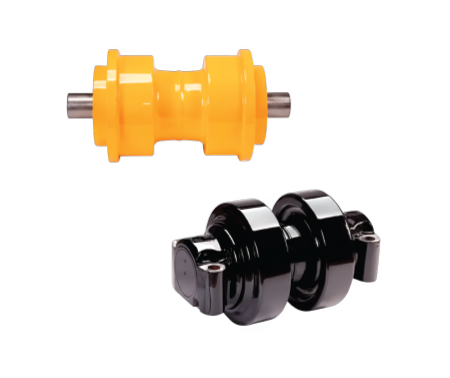
Rubber tracks form a continuous loop around the excavator’s undercarriage. Steel cords reinforce the rubber body, while embedded metal components help the track engage with the drive sprocket. Rollers support the machine’s weight, and the idler guides the track along its running path.
When the drive sprocket rotates, it moves the track and transfers force to the ground. The track system also distributes the machine’s weight across its contact area.
The main functions of rubber tracks include:
- Traction: The tread transfers drive force to the ground to support movement and turning.
- Weight distribution: The track spreads the machine’s weight across the supporting surface.
- Ground protection: Rubber can reduce the risk of scratches and surface marks compared with bare steel tracks.
- Impact absorption: The rubber body deforms under load and absorbs some of the impact generated during travel.
The actual performance depends on track dimensions, machine weight, tread design, and ground conditions.
How Rubber Tracks Improve Traction on Site
Traction determines how effectively an excavator transfers drive force to the ground without excessive slipping. Several factors influence this performance, including the rubber compound, tread geometry, track tension, and surface conditions.
Rubber tracks can provide suitable traction on compacted soil, grass, and other surfaces that match the track design. They support machine movement during landscaping, trenching, and residential construction, where excavators may need to cross different types of ground.
The Role of Tread Pattern
Tread design affects how the track interacts with the ground. Different patterns suit different working conditions.
- Straight-bar tread: Suitable for many general construction and landscaping applications.
- Multi-bar tread: Offers a tread arrangement designed to balance traction and turning performance.
- Block-style tread: Provides another option for applications that require contact across varied surfaces.
NOTE: The correct pattern depends on the operating environment. Wet soil, loose gravel, and sloping ground place different demands on the track. Sharp rocks and demolition debris can also cut the rubber and damage its internal reinforcement.
How Rubber Tracks Support Stability and Ground Protection
Excavator stability depends on machine weight, track dimensions, ground strength, attachment position, and operating technique. The track system contributes by distributing the machine’s weight across the supporting surface and maintaining contact during travel.
On suitable ground, rubber tracks can help reduce ground pressure and limit rut formation. They can also reduce the risk of surface damage when the excavator travels across finished areas.
Here are some key factors every operator should assess:
- The strength and condition of the ground.
- The excavator’s operating weight.
- Track width and contact area.
- The distance and frequency of machine travel.
- The risk of damage to paving, lawns, or other finished surfaces.
Rubber tracks can help limit ground disturbance, but they do not eliminate the risk of surface damage.
How Rubber Tracks Improve Operator Comfort
Operator comfort partly depends on the vibration and impact transmitted through the undercarriage during travel. When an excavator crosses uneven ground, the track system encounters repeated changes in surface height and resistance. These forces travel through the undercarriage and machine frame.
Rubber deforms under load and absorbs some of this impact. Compared with steel tracks, rubber tracks can provide a less harsh ride on suitable surfaces, such as compacted soil and paved access areas.
This can be useful when operators travel repeatedly between work zones.
The main benefits may include:
- Reduced impact from small surface irregularities.
- Lower metal-on-ground noise.
- A less harsh ride on suitable surfaces.
- Better suitability for residential projects and other noise-sensitive work areas.
Rubber Tracks Suit Mini Excavators
Mini excavators frequently work in confined spaces where manoeuvrability and surface protection matter. Landscaping, drainage, garden renovation, and utility installation may require the machine to cross grass, paving, and narrow access paths.
Rubber tracks for mini excavators can help limit surface damage while allowing the machine to reposition around the work area. Their suitability depends on the machine’s weight, track dimensions, tread pattern, and ground conditions.
Before ordering replacement tracks, check the following specifications:
- Excavator make and model: Confirm the machine’s exact identification details.
- Track width: Check the width specified for the excavator.
- Track pitch: Verify the distance between the track’s link engagement points.
- Number of links: Match the required link count.
- Guide configuration: Confirm that the track matches the undercarriage design.
Tracks with similar external dimensions may still have different fitment requirements. Correct compatibility allows the track to engage with the drive sprocket and run along the rollers and idler as intended.
Where to Find Rubber Excavator Tracks in Australia?
Working conditions vary across Australia. Urban contractors may prioritise surface protection, while landscaping teams may need traction with minimal ground disturbance. Share your machine details and site conditions with your supplier.
This information helps the supplier assess:
- Track dimensions and fitment requirements.
- Suitable tread patterns for the application.
- Expected exposure to abrasive materials.
- Compatibility with the existing undercarriage.
At DOZCO, we’ve manufactured excavator and dozer undercarriage parts since 1983 including rubber excavator tracks and related parts. When evaluating replacement options, consider the full undercarriage rather than treating the track as an isolated component.
If you need help identifying suitable parts, contact our team and share your excavator model and working conditions. These details will help our team assess track compatibility and related undercarriage requirements.
Frequently Asked Questions
1. How long do rubber tracks last on an excavator?
Rubber track lifespan depends on terrain, operating hours, track quality, and maintenance. Rocky surfaces and incorrect track tension can accelerate wear.
2. How do I choose rubber tracks for a mini excavator?
Check the excavator model, track width, pitch, number of links, and guide configuration. Choose a tread pattern that suits the working conditions.
3. Can rubber tracks be used on rocky terrain?
Yes, but sharp rocks and abrasive surfaces can damage the rubber and shorten track life.
4. Are rubber tracks better than steel tracks for residential construction?
Rubber tracks are generally better suited to residential sites because they reduce surface damage, vibration, and noise compared with steel tracks.
5. When should excavator rubber tracks be replaced?
Replace rubber tracks when they develop severe cuts, exposed steel reinforcement, structural separation, or wear beyond the manufacturer’s limits.
6. Can worn undercarriage components damage rubber tracks?
Yes. Worn rollers, idlers, and sprockets can cause misalignment, uneven wear, and premature track damage.