

 ">
">

Hard rock makes life difficult on a jobsite. Manually removing or breaking rocks is time-consuming and expensive. Therefore, contractors mostly rely on heavy-duty excavator attachments. Amongst many, the common attachments used for rock breaking are the Vibro Ripper and the hydraulic rock breaker.
Both are used to break down rock, but they do it in very different ways. This post breaks down how each works, where they shine, and when one clearly beats the other — with a brief look at why equipment quality, like Dozco’s breaker range, matters.
Understanding the tools
What is a Vibro Ripper?
A Vibro Ripper is a pointed tooth or shank fitted to an excavator or dozer. It tears into rock or frozen ground. The tool pries and peels layers off the formation. They don’t smash the rock; they pry it apart. Vibro Rippers are suitable for rock with:
- natural seams,
- stratification, or
- pre-existing fractures.
What is a hydraulic rock breaker?
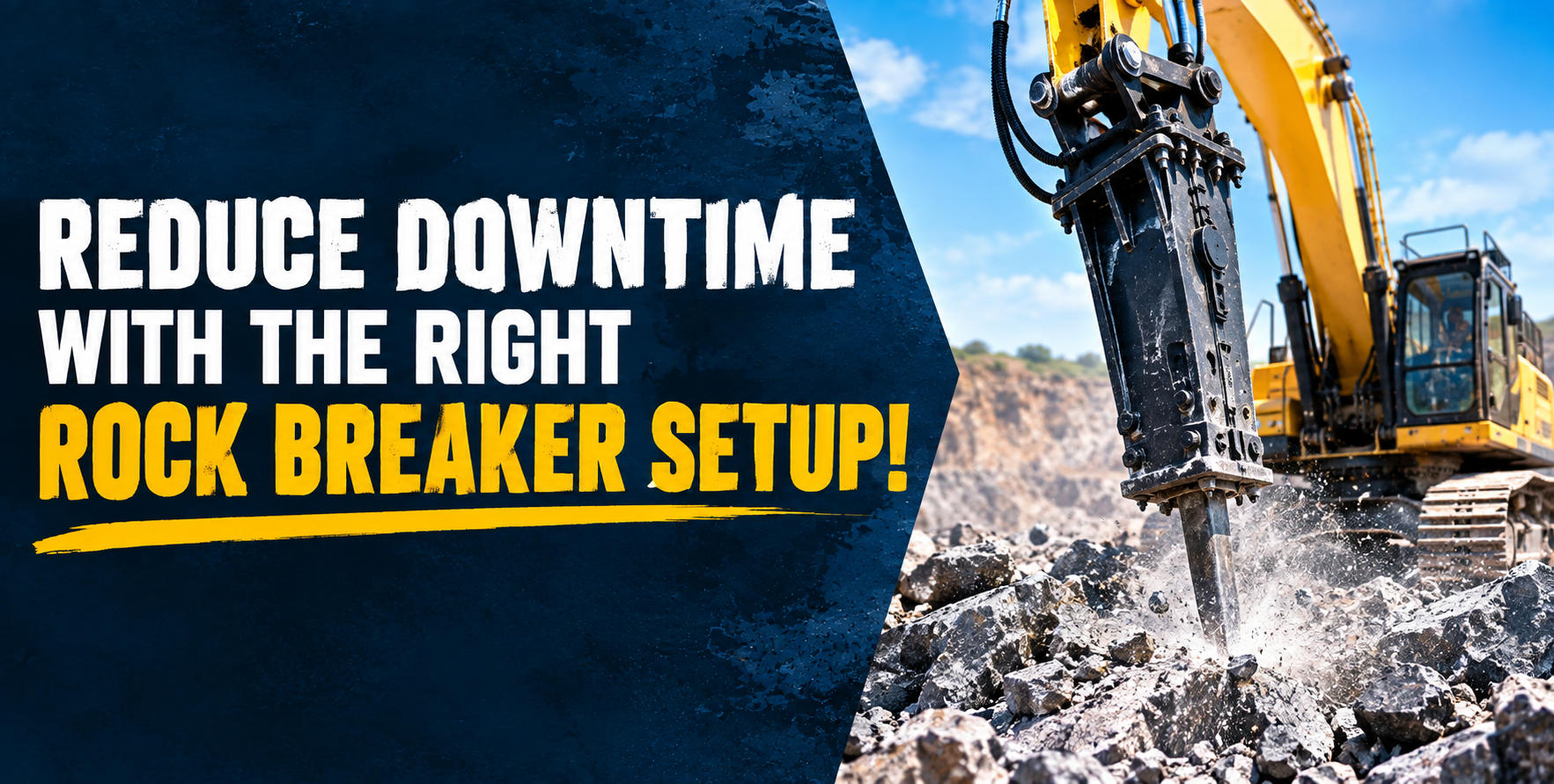
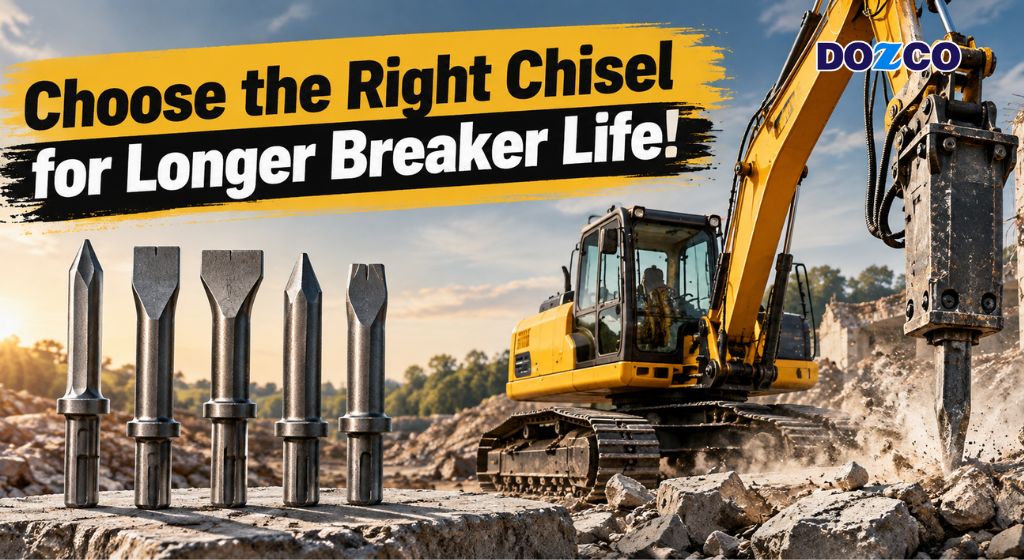
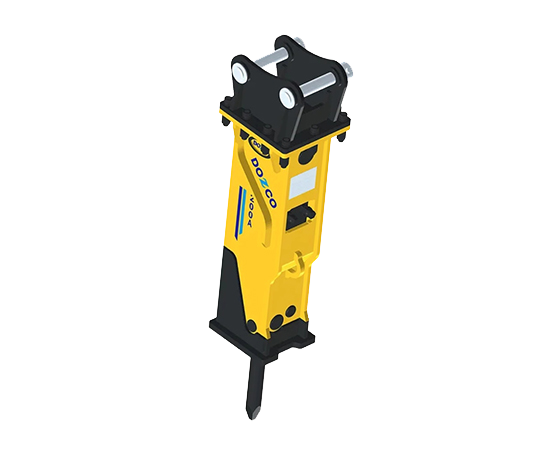
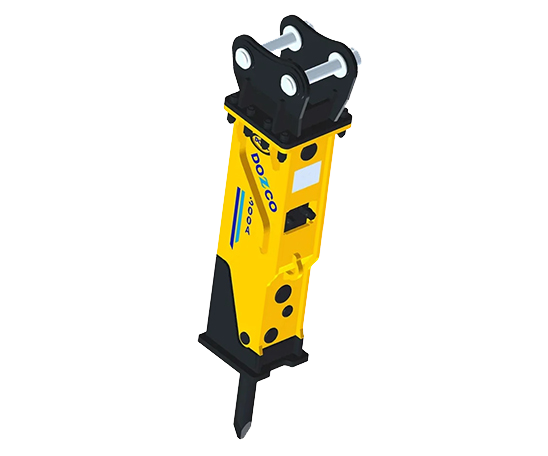
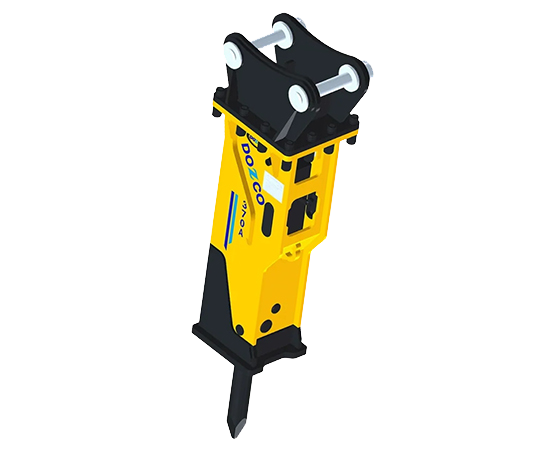
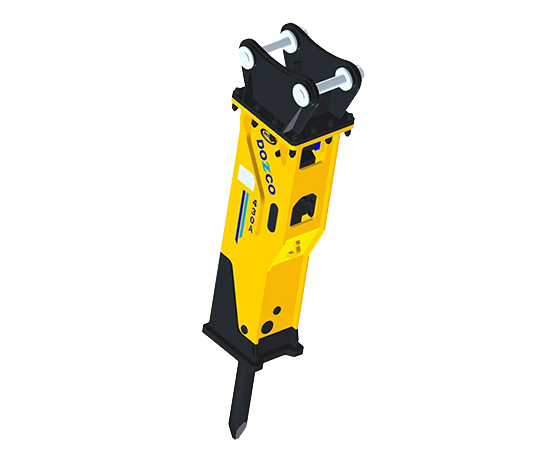
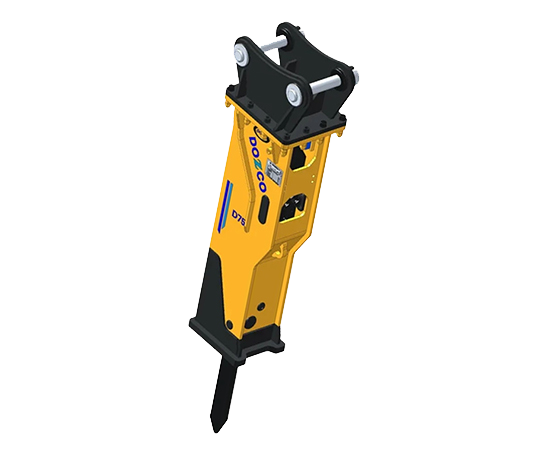
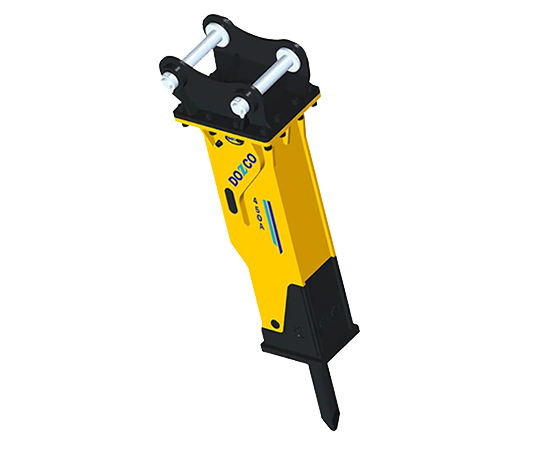
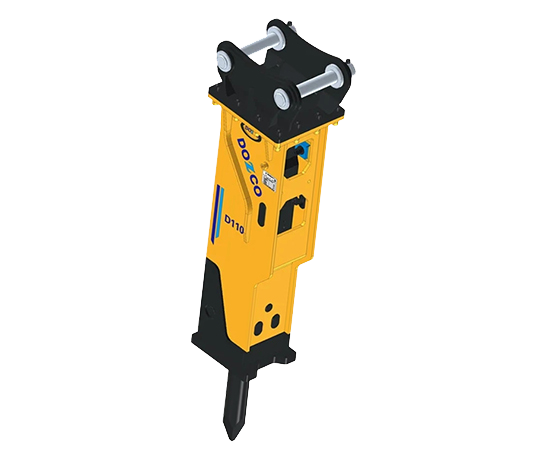
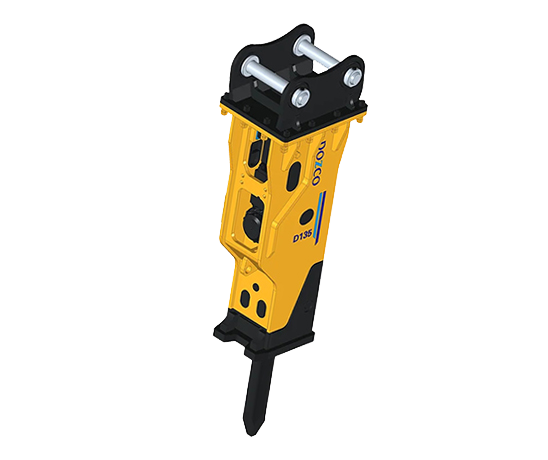
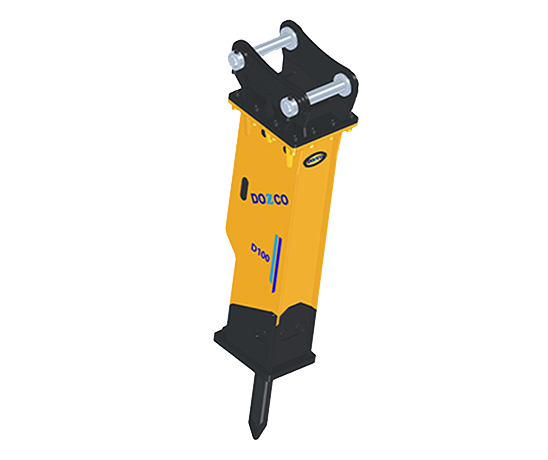
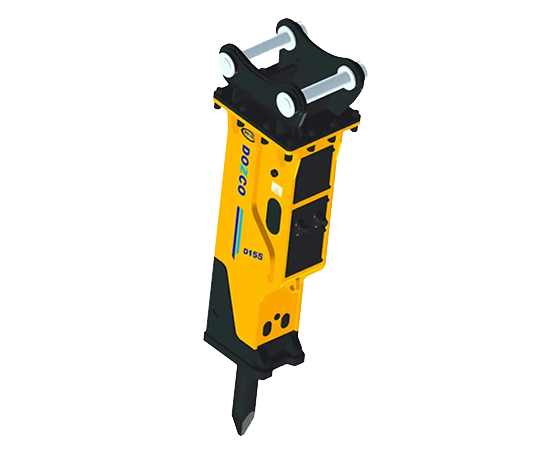
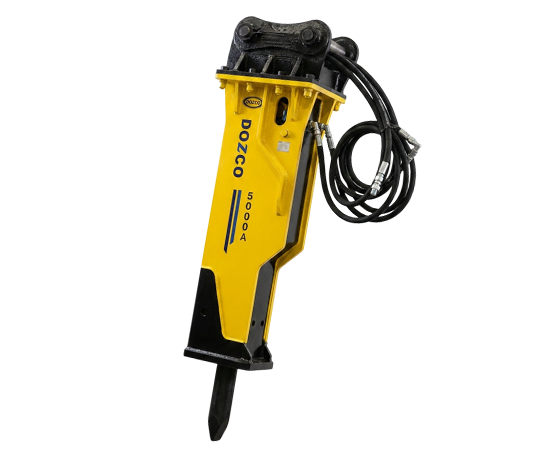
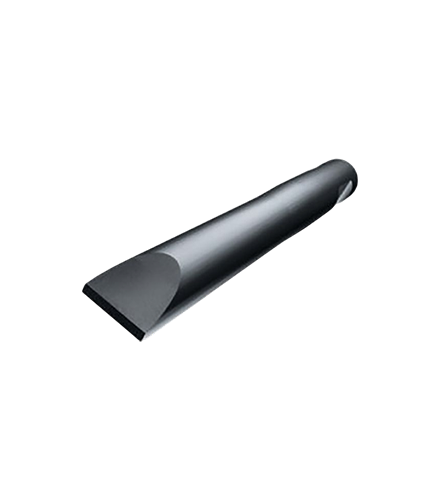
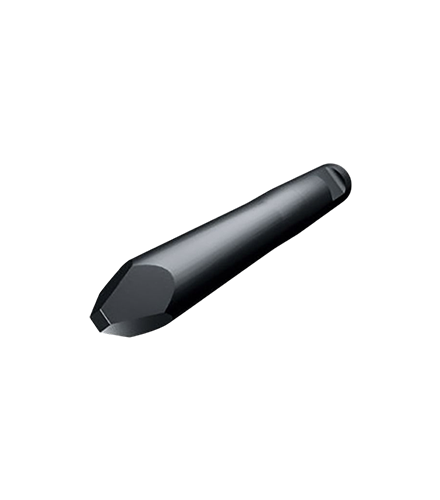
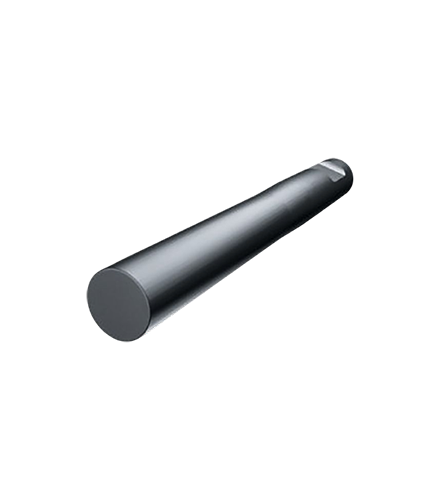
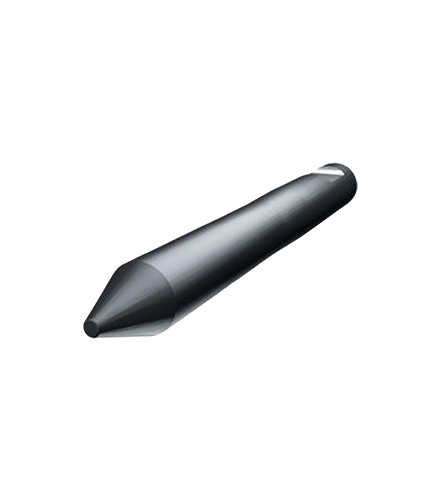
A rock breaker or hydraulic hammer is attached to an excavator or loader. It drives a chisel (tool) into rock using repeated, high-energy blows. The breaker converts hydraulic pressure into piston impact. Each hit sends a stress wave into the stone, chipping it away. Breakers are made to deliver raw force, point after point.
How These Excavator Attachments Break Rock
Excavator attachments like a Vibro Ripper or hydraulic breaker work in different ways, for instance:
Vibro Rippers pull, pry, and spread the load.
Vibro Rippers concentrate force along a narrow area, then use the machine’s weight and leverage to pry the rock. If the rock is layered, the Vibro Ripper’s point helps the formation split along planes. In short, Vibro Rippers use mechanical advantage and shear. That makes them efficient for layered or weathered rock, as well as for ripping roots, permafrost, and compacted fills.
Rock breakers use impact and stress waves.
Breakers rely on kinetic energy. A piston slams the chisel. The chisel transfers a shock wave into the rock. This wave creates cracks that run out from the impact zone. Breakers can penetrate solid, massive rock where vibration alone won’t do the job. They’re more powerful, ideal for spot breaking, boulder reduction, and reinforced concrete removal.
On-Site Difference Between Rock Breaker & Vibro Ripper
Let’s take a look:
Rock type and structure
Vibro Rippers are used on layered, fractured, or weathered rock. They follow existing weaknesses and pry material loose. Breakers can break massive, unfractured, high-strength rock. Impact forces cause fractures where vibration won’t reach.
Productivity and movement
Contractors use a Vibro Ripper for continuous trenching or ripping long faces. The operator can keep moving forward. A breaker is used for stop-start work, like breaking a large boulder or breaking a ledge.
Machine stress and fuel
Vibro Rippers put load on the excavator through leverage, but they transmit less repeated shock to the carrier. They tend to be gentler on seals and pins. Breakers generate heavy vibrations and repetitive shocks. That can speed up wear on boom parts, pins, and hydraulic fittings. They also draw higher hydraulic power during hits.
Noise, dust, and the neighbourhood
Vibro Rippers are quieter and throw up less fine dust. They suit sites near housing or sensitive structures. Breakers are loud and dusty. Plan for noise controls and dust suppression when using them in built-up areas.
Operator comfort and control
Vibro Rippers let operators keep a steady rhythm. Fatigue stays lower on long cuts. Breaker work is more physical and demands attention. Blank blows or a bad angle can wreck the tool or the carrier.
When to Choose a Vibro Ripper
Choose a Vibro Ripper when:
- The rock shows bedding planes or fissures.
- You need to trench or cut long runs.
- Noise and vibration limits matter.
- You want lower operating costs over long, continuous runs.
Vibro Rippers perform well where the rock will ‘give’ under pressure and where you can use the carrier’s traction and leverage to advantage.
When to pick a rock breaker
Choose a rock breaker when:
- You face dense, compact, or massive rock with no clear seams.
- You need to break boulders or reinforced concrete.
- Work calls for precise spot-breaking in tight areas.
- Speed per break is the priority over continuous cutting.
Breakers save time when ripping, and won’t produce fractures deep enough to split the material. They excel at focused demolition or quarry tasks.
Quick comparison table
| Factor | Vibro Ripper | Breaker |
|---|---|---|
| Breaking action | Points and leverage pry layers apart; force is spread along a narrow line. | Repeated high-energy blows send shock waves through the rock, cracking it locally. |
| Rock suitability | Suits fissured, bedded or weathered rock. | Suits dense, massive rock and reinforced concrete. |
| Work pattern & productivity | Ideal for long runs and trenching. | Stop-and-hit approach — best for spot breaking, boulders, ledges. |
| Effect on carrier & maintenance | Lower repeated shock to hydraulic components; wear is steadier. | High cyclic vibration — faster wear on pins, seals, boom; needs more upkeep. |
| Noise, dust & site impact | Quieter, less fine dust, friendlier for urban/sensitive sites. | Louder and dustier. It requires noise/dust controls. |
Why the Attachment Quality Matters
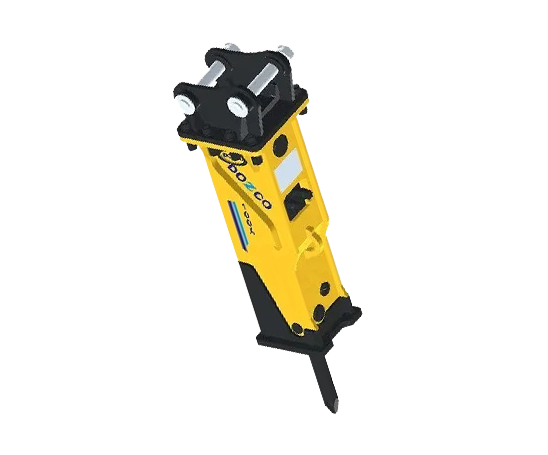
Tool choice is only half the story. Build quality, dampening, and hydraulic control change outcomes. Dozco’s rock breakers, for example, come in a wide range of models that suit carriers from mini-excavators to 100-ton machines. Their breakers feature reinforced bodies, dampening systems, nitrogen accumulators, and sound suppression, all designed to reduce vibration transfer, cut noise, and extend service life. Those kinds of features lower owning costs and reduce downtime, especially in heavy-use settings. If you plan to use breakers regularly on hard rock, picking a well-engineered model pays off.
Final thoughts
There’s no one-size-fits-all answer. Let the rock and the job tell you which tool to pick. If the formation has fractures and you need long, steady runs, fit a Vibro Ripper and push ahead. If the rock stands stubborn and solid, bring a breaker and break it down in controlled hits. And when you choose a breaker, prioritize build quality, features that cut vibration, manage gas/accumulator pressure, and simplify maintenance, save money and headaches in the long run. Hence, match the method to the material, and pick gear that’s built to take the hit.
FAQs
When should contractors use a rock breaker instead of a Vibro Ripper?
Contractors use a rock breaker when working with dense, compact rock, large boulders, or reinforced concrete where ripping alone cannot create enough fractures.
Does using a rock breaker increase excavator wear?
Yes. Repeated impact creates vibration and stress on the excavator’s boom, pins, and hydraulic system. Proper operation and maintenance help reduce long-term costs.
What factors affect rock breaker productivity?
Rock hardness, operator skill, correct breaker size, hydraulic pressure, and proper maintenance all influence how efficiently a rock breaker performs on a jobsite.
How do contractors choose the right rock breaker?
They consider excavator size, rock hardness, job type, required productivity, and hydraulic system compatibility to select a breaker that delivers optimal performance.