

 ">
">

When Do Track Guards Become Critical?
Track guards become critical in quarrying and demolition environments when your excavator or dozer faces:
- Heavy rock and aggregate debris that can wedge between track links and rollers
- Sharp demolition materials like rebar, broken concrete, and steel fragments
- Steep or uneven terrain where lateral track forces risk derailment
- High-frequency material packing from clay, mud, or wet soil conditions
- Extended operational hours where undercarriage wear compounds rapidly
In these scenarios, missing or underspecified track guards can reduce undercarriage life by up to 50% and trigger unplanned downtime costing $2,000–$10,000 per day on Australian construction and mining sites.
What Are Track Guards and Why Do They Matter?
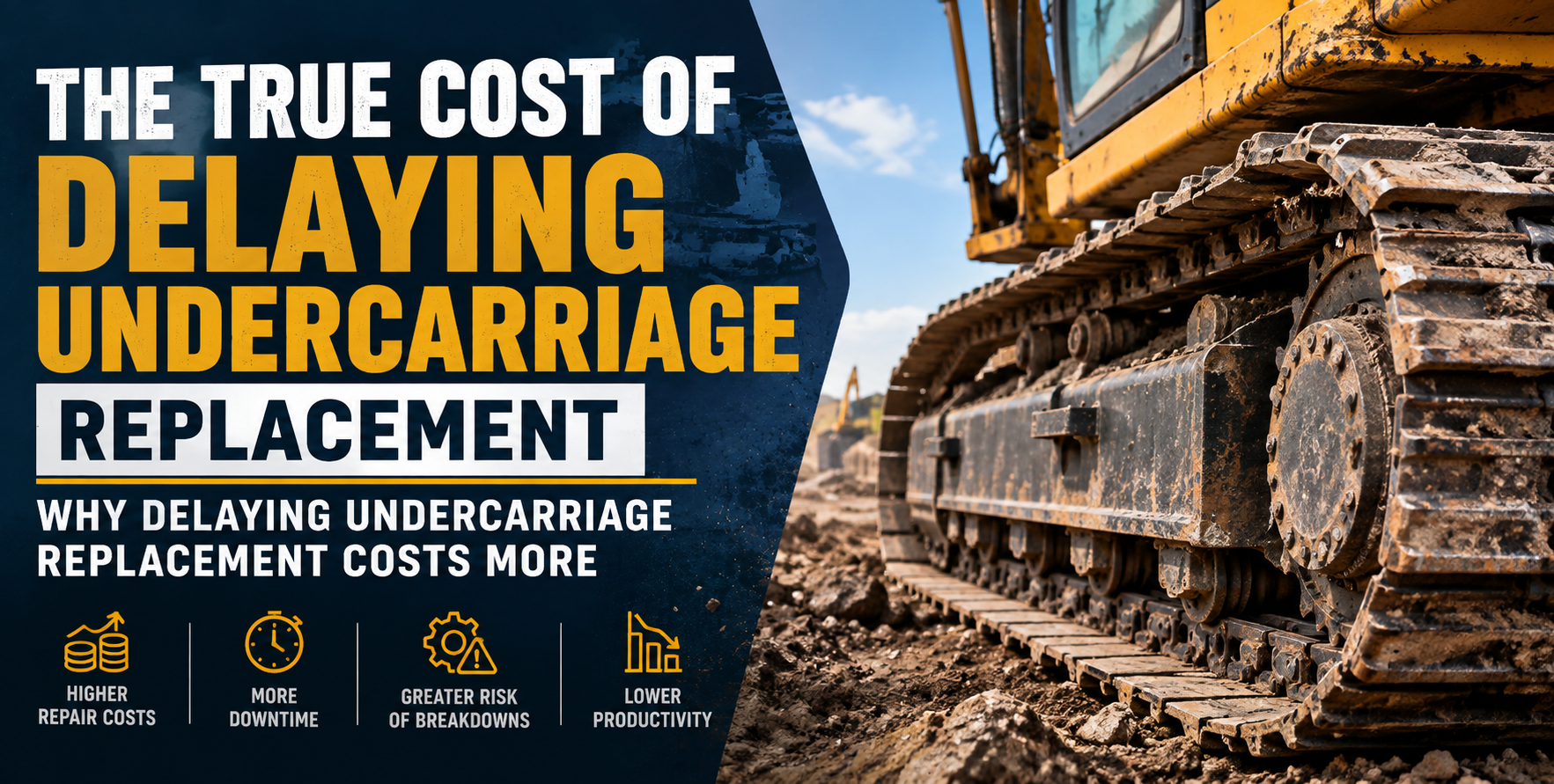
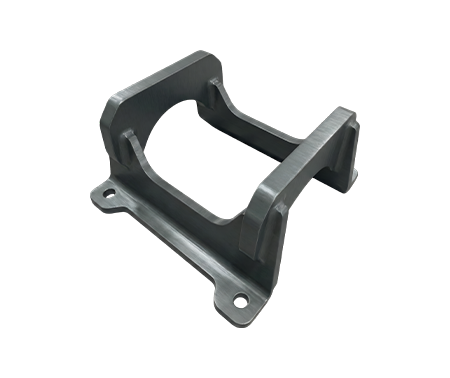
Track guards are protective undercarriage components mounted along the sides of a machine’s track frame. They don’t carry machine weight. Instead, they act as a physical barrier that blocks rocks, broken concrete, mud, clay, and demolition debris from entering sensitive undercarriage areas.
When debris enters the track system, it can:
- Wedge between rollers and track links, causing premature wear
- Damage seals and lead to oil loss and overheating
- Force tracks off-center, increasing derailment risk
- Pack tightly in wet conditions, increasing rolling resistance
Even premium undercarriage systems fail early when track guards are missing, damaged, or improperly specified.
The Quarrying Challenge: Why Track Guards Are Non-Negotiable
Abrasive Terrain and Sharp Aggregates
Quarrying operations in Australia expose excavators and dozers to some of the most abrasive ground conditions imaginable. Sharp granite, basalt, and sandstone fragments constantly bombard the undercarriage. Without robust track guards, these materials lodge between track components, grinding away metal with every machine movement.
Track guards manufactured to OEM standards—like those DOZCO produces for Caterpillar, Komatsu, Hitachi, and Hyundai machines—create a durable shield that deflects 90% of debris intrusion. This directly extends roller, link, and bushing life.
Material Packing in Wet Conditions
Australian quarries often operate in clay-heavy or wet soil conditions. When debris packs tightly within the track system, it increases rolling resistance and accelerates wear. In extreme cases, packed material can throw tracks off-center or cause complete derailment.
Full track guards are particularly effective here, though they may require more frequent cleaning in sticky soil. The trade-off is worth it: controlled packing beats uncontrolled debris intrusion every time.
Side-Hill Operations and Track Alignment
Quarry faces and bench roads demand constant side-hill work. During these operations, track chains experience strong lateral forces. Track guards guide the chain and keep it centered, reducing the risk of derailment and irregular wear.
The bottom of track guards should align with the centerline of the pins, with approximately 5% of total pin length as play. If the guard bottom sits below this line or shows visible damage on the inside, the track link has been rubbing against it—signaling that replacement or welding is needed.
The Demolition Challenge: Protecting Against Unpredictable Hazards
Rebar, Concrete, and Mixed Debris
Demolition sites present a unique hazard profile. Unlike quarries with relatively predictable material types, demolition debris includes:
- Sharp rebar protruding from concrete slabs
- Broken brick and masonry with jagged edges
- Timber, glass, and mixed construction waste
- Steel fragments and wire mesh
Volvo’s demolition excavator specifications highlight that full-length track-chain guards are essential to keep out demolition debris and prevent rebar or other sharp objects from lodging in the tracks.
Sudden Movements and Heavy Turns
Demolition work requires rapid repositioning, heavy turns, and sudden directional changes. These movements place extreme stress on the undercarriage. Track guards support these operations by maintaining track alignment during aggressive manoeuvres.
The Cost of Downtime on Demolition Sites
When critical equipment fails on a demolition site, project delays cost between $2,000 and $10,000 per day in idle labour, missed milestones, and subcontractor penalties. A single track derailment can halt an entire demolition sequence, especially when the machine is positioned for high-reach work or structural support.
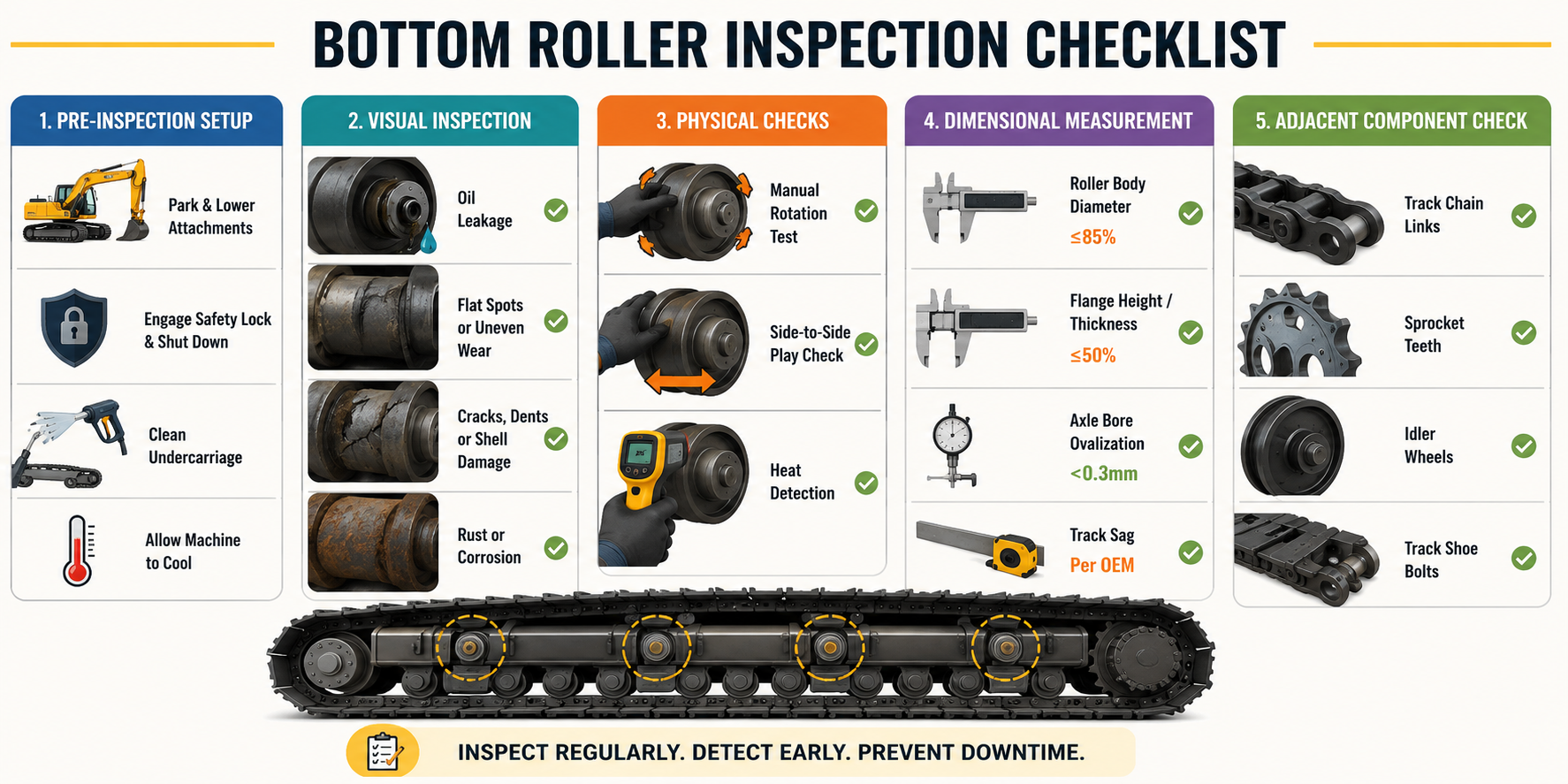
Types of Track Guards for Quarrying and Demolition
Center Track Guards
Mounted between the lower rollers, center guards protect the central track chain section. They prevent rocks and debris from jamming between rollers and links. These are widely used on both dozers and excavators in high-impact terrain.
Best for: Standard quarrying operations, general earthmoving, and mixed-terrain work.
Full Track Guards
Full guards cover nearly the entire track frame and are constructed from the heaviest materials. They are common in mining, quarrying, and severe demolition work. DOZCO manufactures full track guards that perfectly align with machines and extend undercarriage life across challenging job sites.
Best for: Severe demolition, hard-rock quarrying, and high-debris environments.
Segment Track Guards
Positioned around the middle roller rather than the entire system, segment guards reduce side-to-side scuffing. They suit construction or mixed-terrain applications where full coverage isn’t necessary.
Best for: Light demolition, civil construction, and secondary processing areas.
Key Benefits of Track Guards in Quarrying and Demolition
1. Extended Undercarriage Life
Track guards reduce debris-related wear on rollers, links, bushings, and seals. This allows undercarriage parts to reach their full designed service intervals. Wear patterns become more uniform and predictable, making maintenance planning easier.
2. Reduced Unplanned Downtime
A sudden breakdown in a remote quarry or active demolition zone costs more than just repair time. Track guards prevent seal damage, derailments, and abnormal wear that trigger emergency repairs.
For Australian mining operations, unplanned downtime accounts for 38% of total equipment unavailability. Large-scale operations lose $500,000 to $1.2 million per day during major equipment failures.
3. Lower Cost-Per-Hour (CPH)
Fleet managers calculate CPH to measure operational efficiency. When a machine stops unexpectedly, CPH spikes. Track guards reduce replacement frequency and labour expenses over the equipment’s life, directly improving the bottom line.
4. Improved Machine Control
Operators benefit from smoother, more predictable tracking—especially on slopes or during precision demolition work. While operators may not directly notice the guards, they feel the stability they provide.
When to Inspect and Replace Track Guards
Weekly Inspection Checklist
- Check for loose, missing, or damaged bolts on bolt-on systems
- Inspect weld integrity on weld-on guards
- Measure guard height relative to pin centerline
- Look for visible damage on the inside face of the guard
- Confirm the guard bottom remains straight (not bent or deformed)
Warning Signs of Worn Track Guards
- Track links rubbing against the guard interior
- Guard bottom sitting below pin centerline
- Visible cracks, dents, or deformation from impact
- Increased track noise or vibration during operation
- Frequent minor derailments or track walking
When these signs appear, replace or repair the guards immediately. Worn track guards can cause damage to rollers and track links that costs far more than the guard itself.
Choosing the Right Track Guards for Your Operation
Match the Guard to the Machine and Environment
| Environment | Recommended Guard Type | DOZCO Compatible Brands |
|---|---|---|
| Hard-rock quarrying | Full track guards | Caterpillar, Komatsu, Hitachi |
| Demolition (primary) | Full track guards | Volvo, Liebherr, Doosan |
| Demolition (secondary) | Center track guards | Hyundai, Kobelco, CASE |
| Mixed terrain / civil | Segment or center guards | Kubota, Yanmar, John Deere |
DOZCO manufactures track guards to OEM standards for all major brands including Caterpillar, Komatsu, Hitachi, Volvo, Hyundai, Kobelco, and more.
Material and Manufacturing Quality
DOZCO track guards are manufactured using advanced engineering and production systems, with ISO-compliant components backed by warranty support. High-quality finish and long lifespan are standard features.
For extreme quarrying and demolition environments, look for:
- High-tensile steel construction (HARDOX or equivalent)
- Precision welding with no slag or gas holes
- Shot peening for improved fatigue resistance
- Proper edge finishing to eliminate sharp points
FAQs: Track Guards in Quarrying and Demolition
What are track guards used for on excavators?
Track guards are undercarriage protective components that block rocks, mud, clay, and debris from entering rollers, links, and seals. They reduce wear and prevent premature component failure in harsh environments like quarries and demolition sites.
How do I know if my track guards need replacing?
Inspect track guards weekly. Replace them when the bottom sits below the pin centerline, when visible damage appears on the inside face, or when tracks begin walking off-center. Worn guards can damage rollers and track links, costing far more than the guard replacement.
Are track guards and track pads the same thing?
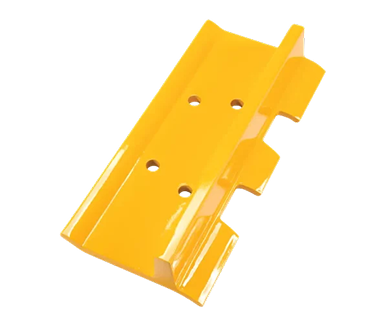
No. Track pads (or track shoes) provide ground contact and traction. Track guards protect the undercarriage by blocking debris and controlling wear patterns. They serve completely different functions.
Do track guards carry the machine’s weight?
No. Track guards are not load-bearing parts. They act only as protective barriers to safeguard undercarriage components from debris intrusion and impact damage.
What type of track guard is best for demolition work?
Full track guards are best for primary demolition work with heavy debris, rebar, and mixed materials. They provide maximum coverage and protection. For lighter demolition or secondary processing, center track guards may suffice.
How much does undercarriage downtime cost on Australian sites?
Equipment downtime on Australian construction sites costs between $2,000 and $10,000 per day in idle labour, missed milestones, and subcontractor penalties. For mining operations, large-scale sites lose $500,000 to $1.2 million per day during major failures.
Can I weld worn track guards instead of replacing them?
Yes, track guards can often be welded or fitted with new wear strips to extend their life. However, if the structural integrity is compromised or the guard is severely deformed, replacement is the safer and more cost-effective option.
How often should I clean undercarriage track guards?
In sticky clay, wet soil, or snow-heavy conditions, clean the undercarriage daily or after each shift. Track guards reduce material packing but cannot eliminate it entirely. Regular washing prevents excessive buildup and reduces stress on the guards themselves.
Conclusion: Don’t Let Missing Track Guards Derail Your Operation
In quarrying and demolition environments, track guards are not optional accessories. They are critical undercarriage components that protect your investment, maintain uptime, and keep operators safe. The cost of quality track guards is a fraction of the downtime, repair, and replacement expenses they prevent.
DOZCO has manufactured and supplied high-quality track guards in Australia for over 40 years. Our components meet OEM standards for all major brands and are backed by reliable on-ground support across the country. Whether you’re operating in a hard-rock quarry or a high-risk demolition zone, the right track guards make the difference between smooth operations and costly breakdowns.
Ready to protect your undercarriage? Browse our full range of track guards or contact our team for expert advice on the right solution for your machine and environment.