

 ">
">

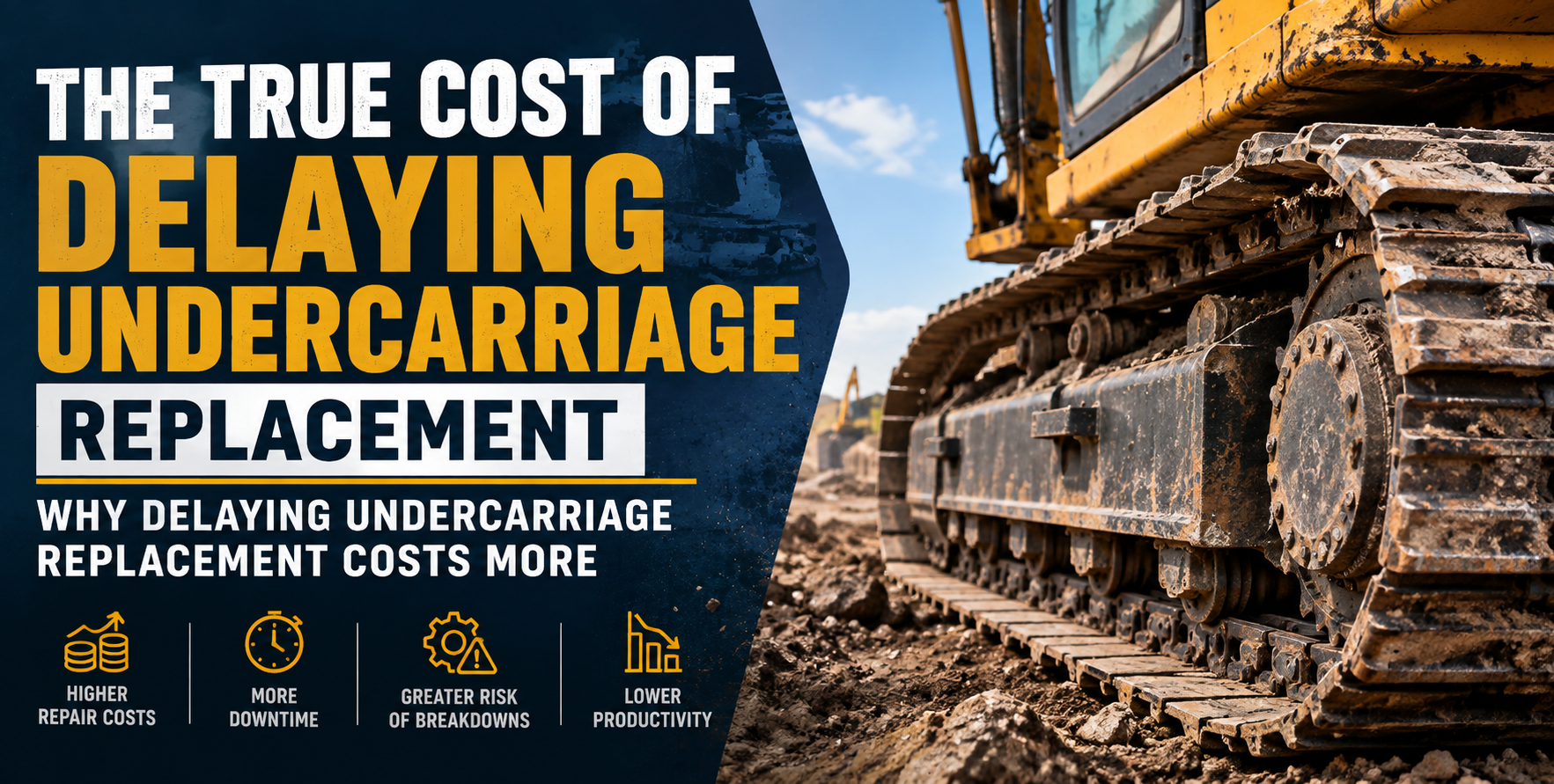
A machine can complete thousands of productive hours without major mechanical issues and still end up requiring a costly repair. In many cases, the problem does not start with the engine, hydraulics, or transmission. Instead, it develops gradually through everyday operation as the machine moves across abrasive ground, carries heavy loads, and works through demanding site conditions.
Let’s consider a crawler excavator working on a large earthmoving project. Day after day, it travels across rock, compacted soil, and uneven terrain while repeatedly digging, swinging, and repositioning. A dozer faces similar conditions, pushing material over long distances and operating on surfaces that continuously wear down the components beneath the machine. None of this damage happens overnight. It accumulates gradually.
The longer a machine remains in service, the greater the importance of identifying the components most exposed to wear and understanding how to maximise their service life.
This is particularly true for the undercarriage system.
In this blog, we will be understanding how undercarriage parts function and how to maintain them properly as this can prevent downtime and control long-term ownership costs.
What Is the Undercarriage System?
The undercarriage system is the lower assembly of a tracked machine, be it an excavator or a dozer, that supports its weight and enables movement across different ground conditions. It transfers power from the drive system to the tracks while providing stability, traction, and load distribution during operation.
Since the undercarriage system remains in constant contact with the ground, its components are exposed to continuous friction, impact, and material abrasion.
Key Components of the Undercarriage System
Track Chains
Track chains form the foundation of the track assembly and connect various undercarriage components. They transfer power from the drive sprocket to the track system and guide machine movement.
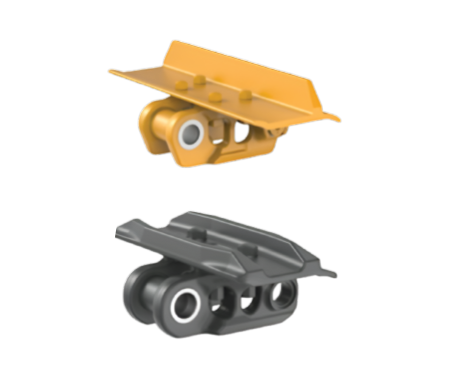
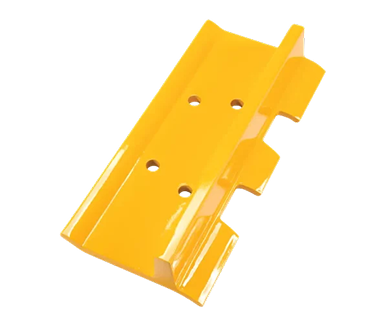
Track Shoes
Track shoes are attached to the track chains and provide the surface that contacts the ground. Different shoe designs are used depending on terrain conditions, traction requirements, and application type.
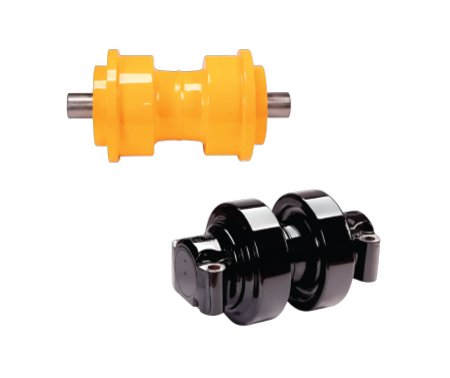
Rollers
Rollers support the machine’s operating weight and guide the lower section of the track chain during travel.
Carrier Rollers
Carrier rollers support the upper section of the track chain and help maintain proper track alignment.
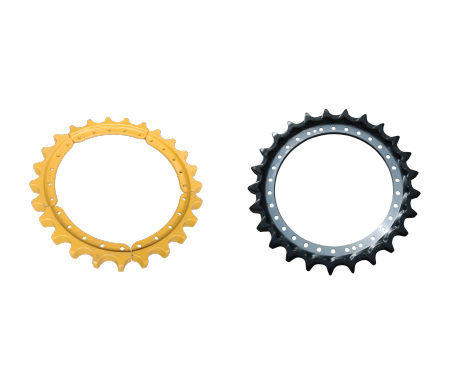
Sprockets
Sprockets engage with the track chain and transfer power from the final drive to move the machine.
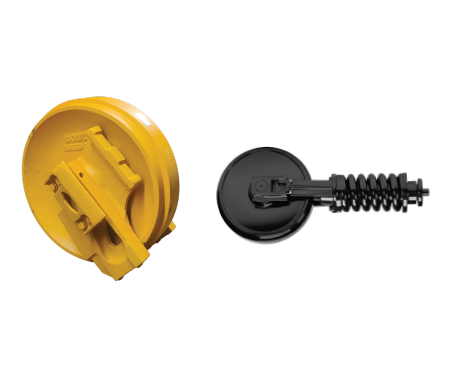
Idlers
Idlers guide the track chain at the front of the undercarriage system and help maintain proper track alignment.
Track Adjusters
Track adjusters control track tension and help maintain correct track engagement throughout operation.
Together, these undercarriage parts function as a complete system. Wear in one component can affect the performance and service life of the others, making regular maintenance essential for both excavator undercarriage parts and dozer undercarriage parts.
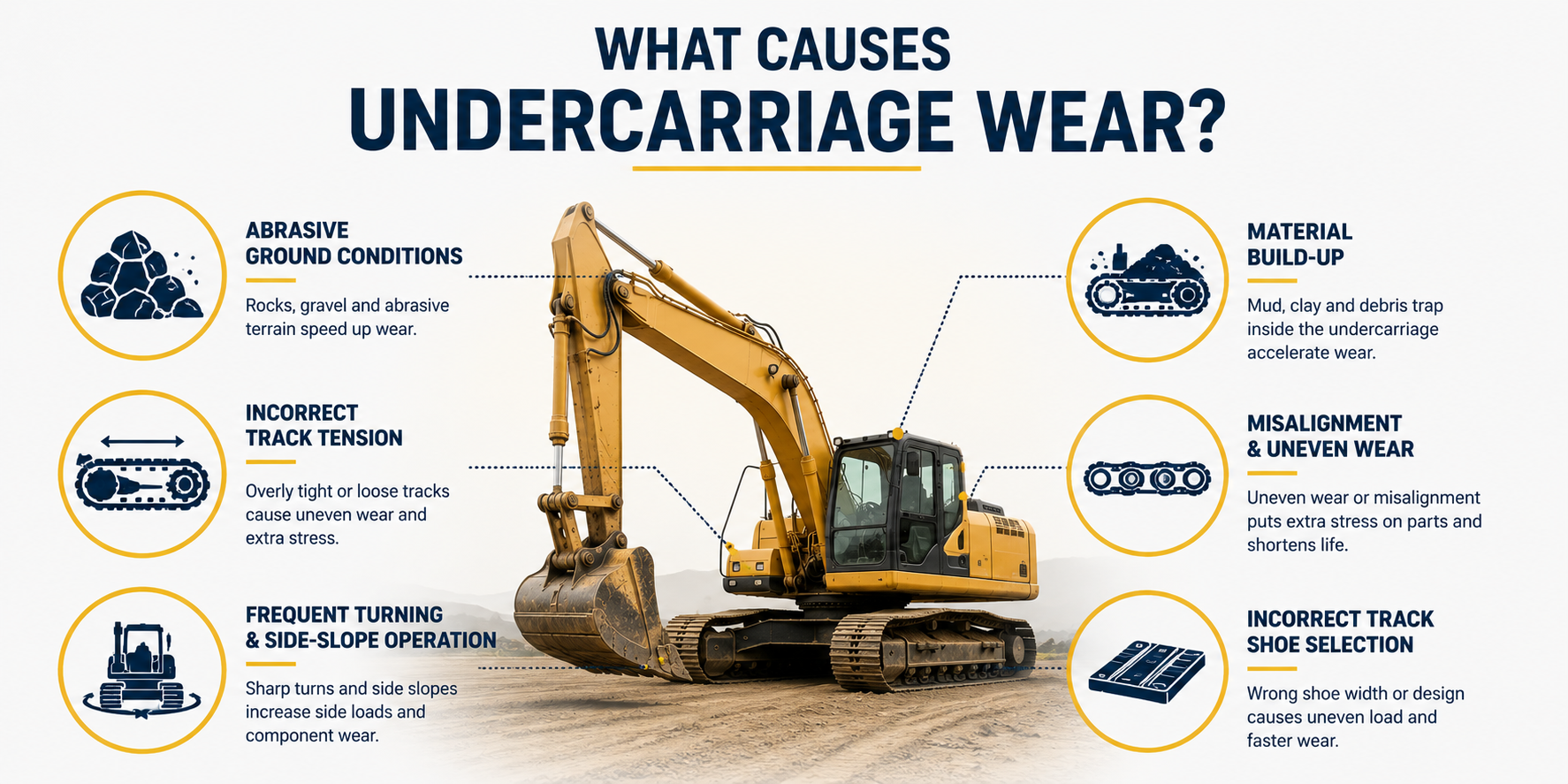
What Causes Undercarriage Wear?
Undercarriage wear is natural when excavators or dozers are actively working on-site. As tracks, rollers, idlers, sprockets, and other undercarriage parts move against each other, friction and material abrasion gradually reduce component life. Here are some factors which generally cause undercarriage wear.
Abrasive Ground Conditions
Rock, gravel, quartz-rich soil, and other abrasive materials create a grinding effect between undercarriage components and the ground surface. These conditions can accelerate wear across track links, bushings, rollers, sprockets, and track shoes.
Incorrect Track Tension
Track tension has a direct impact on undercarriage life. Excessively tight tracks increase load on rollers, bushings, sprockets, and idlers, while loose tracks can contribute to misalignment and uneven component wear.
Frequent Turning and Side-Slope Operation
Repeated sharp turns, pivot turns, and continuous travel on side slopes place additional side loads on the track assembly. These operating conditions can increase wear on links, rollers, and sprockets over time.
Material Build-Up
Mud, clay, rock fragments, and packed debris trapped within the undercarriage can interfere with component movement and increase contact pressure between moving parts. Material accumulation is yet another common contributor to irregular wear patterns.
Misalignment and Uneven Wear
The undercarriage system functions as a complete assembly. When rollers, idlers, sprockets, or track chains wear unevenly, additional stress is transferred to neighbouring components. Misalignment can further accelerate wear and shorten the component life of the undercarriage parts.
Incorrect Track Shoe Selection
Track shoes that are too wide for the application can increase stress on the track assembly and contribute to uneven loading. Therefore, selecting the appropriate shoe design and width for the operating environment plays an important role in managing wear across the undercarriage system.
Practical Maintenance Tips to Extend Undercarriage Life
Conduct Scheduled Undercarriage Inspections
Start with a visual inspection of the undercarriage at scheduled service intervals. Examine track chains, rollers, idlers, sprockets, carrier rollers, and track shoes for wear, leakage, loose hardware, or visible damage. Early identification of wear allows maintenance work to be planned before components reach their service limits.
Check and Adjust Track Tension
Track tension changes over time as components wear and operating conditions vary. Measure track sag according to the manufacturer’s recommended procedure and adjust it whenever required. Including track tension checks in your maintenance schedule helps maintain proper engagement between undercarriage components.
Inspect Track Pins and Bushings
Track pins and bushings form the working joints of the track chain and experience continuous movement during operation. Check them for abnormal heat, dry joints, wear progression, and surface damage. Regular inspections provide a clear indication of track chain condition and help determine when maintenance is required.
Verify Track Shoe Bolt Torque
Track shoe bolts are exposed to vibration, impact loads, and continuous ground contact. Check bolt torque at the intervals recommended by the manufacturer and tighten or replace hardware where necessary.
Clean the Undercarriage Before Inspection
Remove mud, clay, packed material, and rock fragments before carrying out maintenance checks.
Measure Wear Against Service Limits
Do not rely only on visual observations when assessing component conditions. Measure wear on rollers, idlers, sprockets, track chains, and track shoes and compare the readings against the manufacturer’s service limits.
Maintain Service Records
Record inspection results, wear measurements, track adjustments, and component replacements after each maintenance cycle. Previous service data helps monitor wear progression and provides a useful reference when planning future maintenance activities.
DOZCO’s Undercarriage Parts Maintenance Recommendation
At DOZCO, we have been manufacturing excavator and dozer undercarriage parts since 1983, supporting the mining, construction, and earthmoving industries in Australia for over four decades now. All our parts are OEM-compatible with an assurance given on fitment and interchangeability.
We recommend heavy equipment operators to perform a complete undercarriage walk-around inspection every 10 service hours or during daily machine checks before starting the shift. Issues such as oil leakage, abnormal track sag, rough tracking movement, loose components, irregular sprocket wear, or excessive material packing can often be identified during these inspections before the wear starts spreading across connected undercarriage parts.
Track tension should also be checked and adjusted regularly because both excessive tension and loose track conditions increase stress across rollers, bushings, idlers, sprockets, and link assemblies during operation.
This way early wear patterns can be identified before they develop into larger undercarriage replacement cycles and unexpected machine downtime.
Wrapping Up
Undercarriage wear is a normal part of operating tracked equipment, but the rate of wear is largely influenced by how the system is maintained throughout its service life. Small maintenance tasks performed at the right time help prevent costly repair requirements later.
The undercarriage system functions as a connected assembly, which means wear in one component rarely stays isolated for long. When the undercarriage parts are subjected to routine inspections, measurements, and maintenance checks, it becomes easier to plan repairs, schedule replacements, and avoid unexpected downtime.
FAQs:
1. How often should track tension be checked?
Track tension should be checked at the intervals recommended by the equipment manufacturer and whenever operating conditions change.
2. Can worn sprockets increase wear on other undercarriage components?
Yes. Worn sprockets can affect track chain engagement and contribute to accelerated wear on connected components.
3. Does operating on rocky ground increase undercarriage wear?
Yes. Abrasive surfaces such as rock and gravel generally increase wear on track chains, rollers, idlers, and track shoes.
4. Should undercarriage wear be measured or only visually inspected?
Wear measurements should be taken and compared with manufacturer service limits rather than relying only on visual inspection.
5. Is it normal for new track chains to wear quickly after installation?
Some initial wear is expected, but rapid wear may indicate incorrect tension, alignment issues, or mismatched components.
6. What early warning signs indicate excessive undercarriage wear?
Uneven wear patterns, abnormal noise, vibration, oil leakage, and rough machine travel are some common indicators that show the undercarriage parts are wearing out.