

 ">
">

Introduction: Why Bottom Rollers Deserve Your Attention
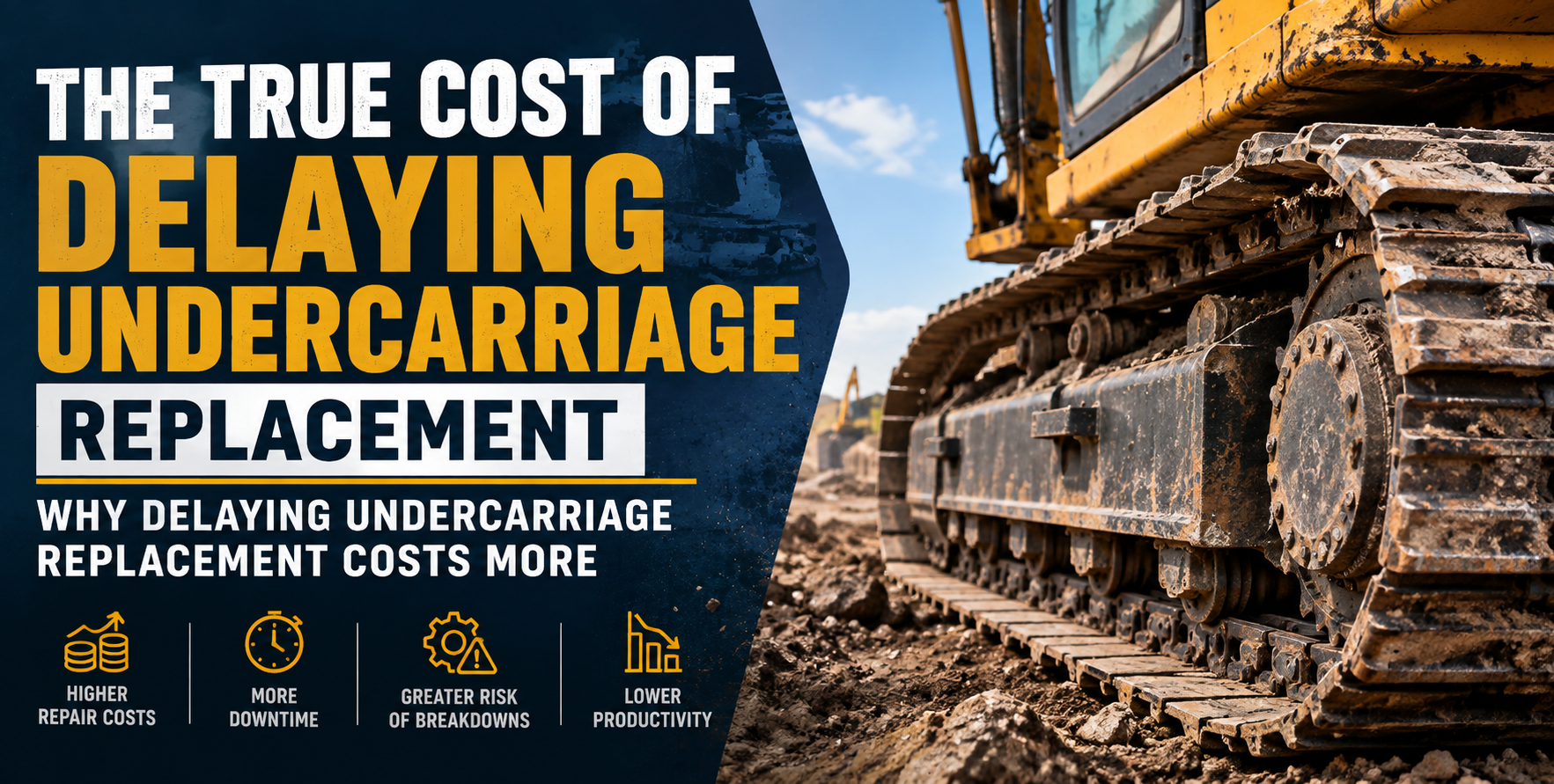
Bottom rollers carry 70–80% of your excavator’s total weight while guiding the track chain across rough terrain every single shift. When one fails, it doesn’t just stop rolling — it becomes a grinding stone that destroys track links, accelerates sprocket wear, and can trigger a complete undercarriage rebuild costing upwards of $15,000. Industry data shows that undercarriage maintenance accounts for up to 50% of a machine’s total maintenance costs over its lifetime, with roller-related issues appearing in 68% of tracked equipment before full undercarriage breakdowns occur.
The good news? Most bottom roller failures are entirely preventable. This guide gives you a practical, field-tested inspection checklist built around real-world Australian earthmoving conditions — from mining pits in Queensland to civil construction sites in Sydney. Follow it, and you’ll catch problems before they cascade into costly downtime.
What Bottom Rollers Actually Do (And Why They Fail)
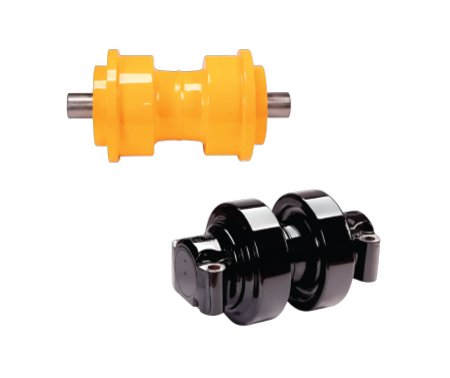
Bottom rollers — also called track rollers or lower rollers — sit beneath the track chain and serve two critical jobs: they support the machine’s weight and ensure smooth track rotation. Unlike top (carrier) rollers, which only guide the track’s return section, bottom rollers bear the full operational load while fighting constant exposure to mud, rocks, sand, and debris.
Common Failure Causes
| Cause | What Happens | Prevention |
|---|---|---|
| Seal failure | Oil leaks out, contaminants enter, internal bearings grind to failure | Daily visual checks for oil seepage |
| Abrasive wear | Silica-rich soil and gravel grind down roller tread and flanges | Regular cleaning after each shift |
| Incorrect track tension | Over-tightened tracks blow out bushings; loose tracks cause slippage | Measure and adjust tension per OEM spec |
| Impact damage | Rocks and debris dent or crack roller shells | Operator training on terrain navigation |
| Lubrication breakdown | Internal grease degrades, metal-on-metal contact accelerates | Use high-temp lithium-complex grease |
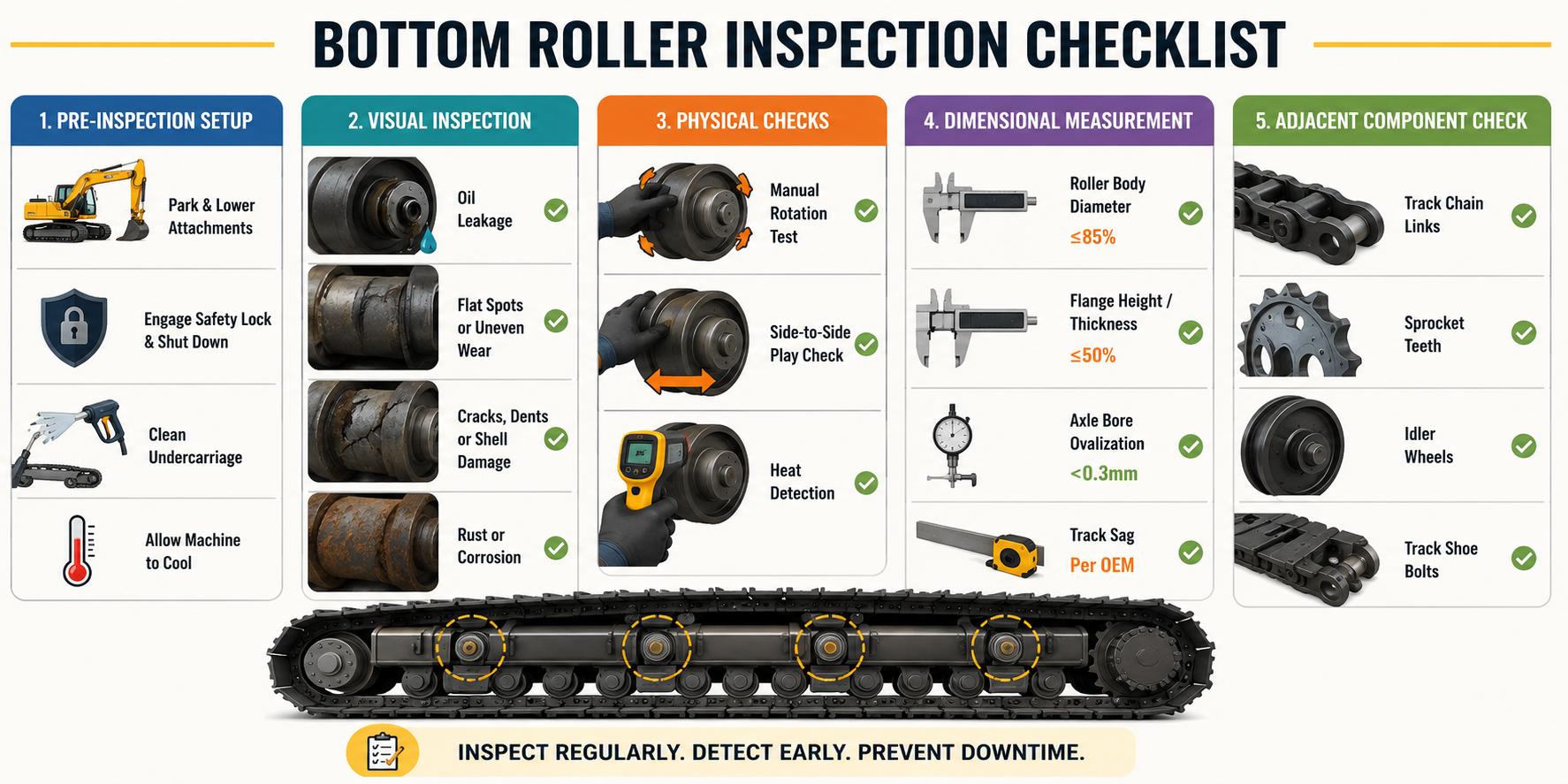
The Complete Bottom Roller Inspection Checklist
Phase 1: Pre-Inspection Setup
Before you touch a single roller, do this:
- Park on level ground and lower all attachments
- Engage the safety lock and shut down the engine
- Clean the undercarriage thoroughly — use a pressure washer or shovel to remove mud, rocks, and compacted debris. A dirty undercarriage hides leaks, cracks, and wear patterns that you’ll miss otherwise.
- Allow the machine to cool — hot components can mask oil leaks and make manual checks unsafe
Pro Tip from the Field: Operators who clean undercarriages daily report 20–30% longer roller life because debris isn’t grinding between moving parts overnight.
Phase 2: Visual Inspection (5 Minutes)
Walk both sides of the machine systematically — start at the front idler and work back toward the sprocket. Check each bottom roller for:
✓ Oil Leakage
- Look for wet, greasy film around roller end caps
- Check for dirt sticking to oily surfaces—this is often the first visible sign of seal failure
- Oil leaks are a critical warning: once internal lubrication escapes, the roller will seize rapidly
✓ Flat Spots or Uneven Wear
- Scan the roller tread surface for flattened sections
- Flat spots indicate the roller has stopped rotating smoothly—often from internal seizure or lubrication failure
- A flat-spotted roller hammers against every track link, accelerating chain wear exponentially
✓ Cracks, Dents, or Shell Damage
- Inspect the roller body for impact damage from rocks or debris
- Check flange edges for chipping or cracking—damaged flanges can’t guide the track properly
✓ Rust or Corrosion
- Surface rust weakens structural integrity
- Rust combined with oil leakage signals advanced internal deterioration
Phase 3: Physical Checks (10 Minutes)
✓ Manual Rotation Test
- Spin each roller by hand
- Healthy: Smooth, free rotation with minimal resistance
- Warning: Grinding, catching, or rough rotation — internal bearing or bushing wear
- Critical: Roller won’t rotate at alall—seizuremminent
✓ Side-to-Side Play Check
- Grab the roller and push it laterally
- Acceptable: Minimal movement (under 2–3mm)
- Excessive play: Indicates worn internal bushings or bearing failure
- Use a pry bar for leverage on larger machines
✓ Heat Detection
- After operation, lightly touch each roller with the back of your gloved hand
- Normal: Slightly warm
- Hot: One roller significantly warmer than others signals inadequate lubrication or internal friction
- For accuracy, use an infrared thermometer — temperatures above 50°C (120°F) demand immediate attention
Phase 4: Dimensional Measurement (15 Minutes)
For comprehensive inspections every 500–1,000 hours, measure and record:
| Measurement | Tool Needed | New Spec | Replace At | Why It Matters |
|---|---|---|---|---|
| Roller body diameter | Digital caliper | Per OEM manual | ≤85% of original | Determines load distribution |
| Flange height/thickness | Digital caliper | Per OEM manual | ≤50% of original height | Prevents track derailment |
| Axle bore ovalization | Bore gauge | <0.3mm | >0.5mm | Causes premature new roller failure |
| Track sag | Straight edge + tape | Per OEM manual | Outside spec range | Affects all component wear rates |
Record everything. Maintain a per-machine wear log tied to operating hours. When you have documented measurements across multiple 500-hour intervals, you can predict replacement timing weeks in advance — ordering parts when it’s convenient, not when the machine is already down.
Phase 5: Adjacent Component Check
A failed bottom roller never damages just itself. While inspecting rollers, always check:
- Track chain links: Look for cracks, spalling, side wear, and pin boss wear
- Sprocket teeth: Check for “hooking” or wave-cap wear — replace if tooth wear exceeds 4mm
- Idler wheels: Inspect for rim deformation and seal leaks
- Track shoe bolts: Verify torque and check for loosening from vibration
Inspection Frequency That Actually Works
| Interval | What to Check | Who Should Do It |
|---|---|---|
| Daily / Every 10 hours | Visual scan for leaks, debris buildup, track tension, abnormal noises | Operator |
| Weekly / Every 50 hours | Physical rotation test, side-play check, heat detection | Operator or technician |
| Monthly / Every 250 hours | Full visual + physical inspection, track tension adjustment, bolt torque check | Qualified technician |
| Every 500–1,000 hours | Dimensional measurements, comprehensive wear analysis, predictive replacement scheduling | Service technician |
In abrasive conditions — mining, quarrying, or rocky terrain — halve these intervals.
When to Replace Bottom Rollers: The Decision Matrix
| Condition | Action Required | Timeline |
|---|---|---|
| Oil leakage visible | Replace immediately | Before next shift |
| Roller seized / won’t rotate | Replace immediately | Machine out of service |
| Flat spots on tread | Plan replacement | Within 1–2 weeks |
| Flange wear >50% | Plan replacement | Within 250 hours |
| Excessive side play (>3mm) | Plan replacement | Within 250 hours |
| Grinding or squealing noises | Inspect and replace | Within 1 week |
| Diameter wear >15% | Plan replacement | At next scheduled service |
Should You Replace Rollers in Sets?
Yes—whenever budget and scheduling allow. A new roller has a larger diameter than worn ones, creating an uneven track line that places abnormal stress on both the new component and adjacent old rollers. Replace in pairs on the same side, or as a full set, to maintain even load distribution and maximize the life of your investment.
The True Cost of Ignoring Bottom Rollers
A single $200–$500 bottom roller failure can trigger a cascade of damage across your entire undercarriage system:
| Failed Component | Collateral Damage | Typical Repair Cost |
|---|---|---|
| Seized bottom roller | Track chain flat spotting, pin/bushing wear | $3,000–$8,000 |
| Continued operation | Sprocket tooth hooking, poor traction | $2,000–$5,000 |
| Misalignment stress | Adjacent roller and idler premature failure | $1,500–$4,000 |
| Vibration damage | Track shoe bolt loosening, lost shoes | $800–$2,500 |
| Total if ignored | Complete undercarriage rebuild | $10,000–$20,000+ |
Factor in downtime costs — often $500–$1,500 per event in lost productivity — and the economic case for proactive roller replacement becomes undeniable.
Operator Best Practices to Extend Roller Life
Your operators control more roller wear than you might think. Train them on these habits:
- Take wide turns—sharp pivot turns concentrate side-loading on roller flanges
- Minimize high-speed travel — especially in reverse, which accelerates wear
- Avoid continuous slope work—side-hill operation shifts load to downhill rollers
- Clean the undercarriage daily—packed mud and debris freeze, seize rollers, and grind components
- Maintain correct track tension—both over-tight and loose tracks destroy rollers prematurely
Choosing Quality Replacement Bottom Rollers
Not all replacement rollers are equal. When sourcing bottom rollers for your excavator or dozer, look for:
- Material certification — mill test reports verifying steel chemistry (50Mn or better)
- Precision machining — critical dimensions within OEM tolerances
- Heat treatment — through-hardened tread surfaces for abrasion resistance
- Superior sealing — double or triple-lip seals to block contaminants
- Field testing documentation — real-world performance data from similar applications
A $180 roller lasting 4,000 hours delivers a lower cost-per-hour than a $120 roller needing replacement at 2,200 hours — before you even count the downtime.
Conclusion: Make Bottom Roller Inspections Non-Negotiable
Bottom rollers are the unsung workhorses of your undercarriage — and the most common failure point that triggers catastrophic downtime. The inspection checklist in this guide takes less than 20 minutes when done systematically, yet it can save you thousands in collateral damage and lost productivity.
Start today: train your operators on the daily visual checks, schedule comprehensive inspections every 250 hours, and maintain wear logs that turn reactive repairs into predictive maintenance. Your undercarriage is too expensive to leave to chance.
FAQs:
What are the first signs of a failing bottom roller?
The earliest signs include visible oil leaks around roller end caps, flat spots on the tread surface, and a rhythmic grinding or squealing noise during travel. Operators may also notice increased vibration or rough tracking movement. Catching these signs during daily walk-arounds prevents catastrophic failure.
How often should bottom rollers be inspected?
Bottom rollers need a visual inspection daily or every 10 operating hours, a physical check weekly, and dimensional measurement every 500–1,000 hours. In abrasive environments like mining or quarrying, halve these intervals.
Can a seized bottom roller damage the track chain?
Absolutely. A seized bottom roller acts like a grinding stone against the track chain, wearing flat spots on bushings and accelerating pin wear. This concentrated damage spreads to sprockets, idlers, and adjacent rollers, potentially turning a $500 roller replacement into a $15,000 undercarriage rebuild.
How long do bottom rollers typically last?
Bottom roller lifespan ranges from 2,000 to over 8,000 hours depending on machine application, ground conditions, maintenance practices, and track tension settings. The best indicator is regular flange height measurement — replace when wear exceeds 50% of original height.
Is it better to replace all bottom rollers at once?
Yes. Replacing rollers in sets ensures even diameter and load distribution across the track line. A new roller paired with worn ones creates uneven stress that accelerates premature failure of the new component. Replace in pairs per side or as a complete set when possible.
What causes oil leaks in sealed bottom rollers?
Oil leaks stem from seal failure due to age, excessive heat from inadequate lubrication, or physical damage from ingested debris. Once the seal is compromised, internal grease escapes and abrasive contaminants enter — rapidly destroying bearing and bushing surfaces. An oil leak is definitive proof the roller needs replacement.
How do you check bottom roller wear without special tools?
Even without calipers, you can spot serious problems: look for oil leaks, flat spots, cracks, and rust. Spin each roller by hand — grinding or resistance signals internal damage. Push laterally for excessive play. Compare roller heat after operation — one hot roller among cool ones indicates failure.
Does track tension really affect bottom roller life?
Yes — dramatically. Over-tightened tracks increase load on rollers, bushings, and idlers, accelerating wear by up to 50%. Loose tracks cause slippage, uneven loading, and derailment risk. Always set tension to manufacturer specifications and adjust for ground conditions.