

 ">
">

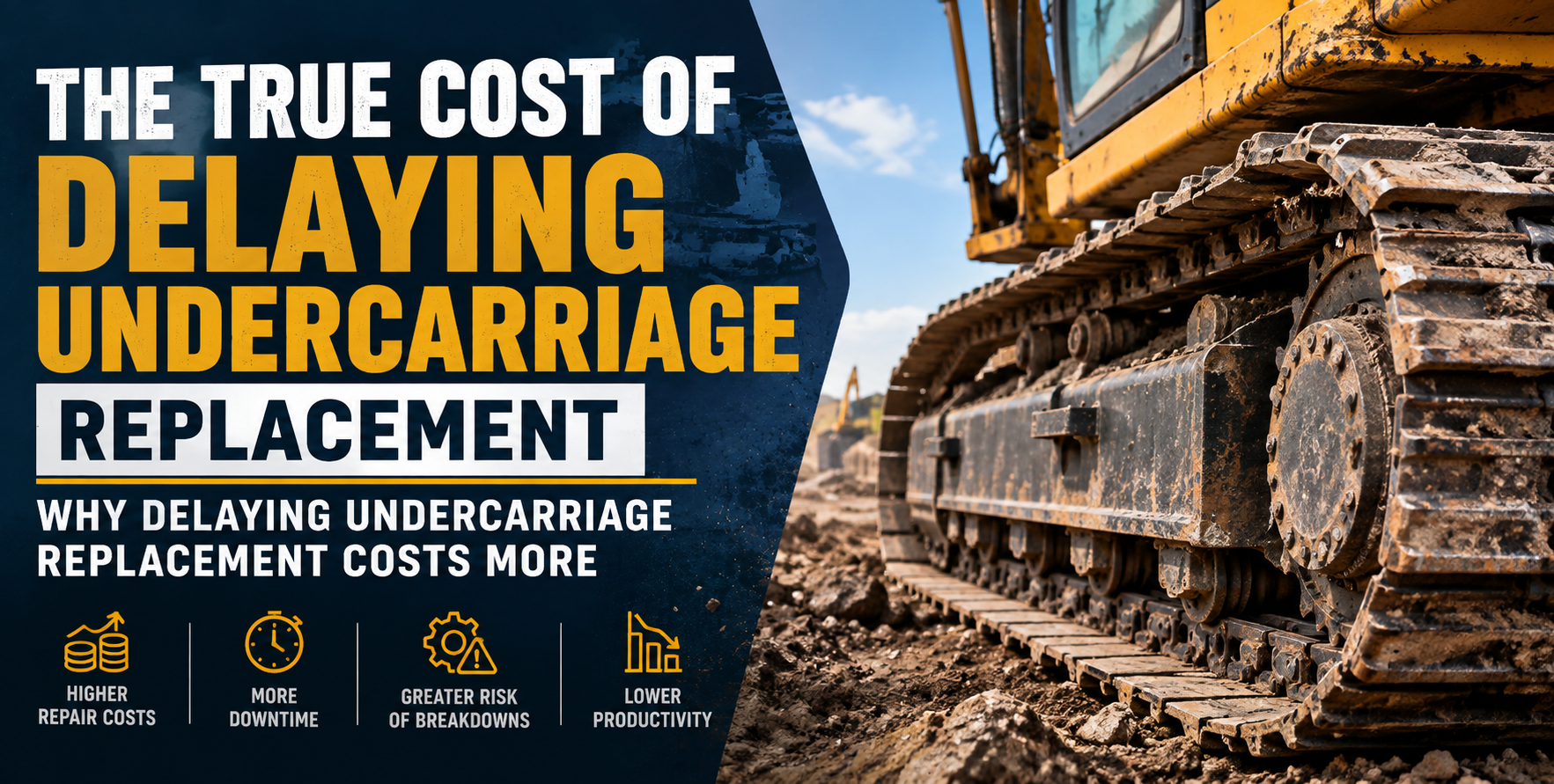
The cost of delaying undercarriage replacement can escalate while the excavator is still working. A worn track chain, sprocket, roller or idler does not work on its own, so running the machine for too long can put extra wear on the other parts.
For owners and operators, excavator undercarriage maintenance means keeping an eye on that wear and deciding when a part should be replaced. Catch it at the right time, and the repair may stay limited. Leave it too long, and more parts may need to be changed, along with the added cost of taking the machine off the job.
When Does Continued Operation Start Costing More?
Suppose the undercarriage is showing wear, but the excavator is still doing the job. You might think, “It can run for a little longer.” Sometimes it can. The question is how much wear is left and what the machine has coming up.
If one component is close to its wear limit, it may still have some working life. But if several parts are worn, the machine is working long hours, or a major project is about to start, waiting can be a bigger risk. Uneven or quickly increasing wear is another sign that the undercarriage needs closer attention.
There is no set number of operating hours that tells every owner when to replace an undercarriage. The machine, ground conditions, workload and maintenance history all affect how quickly it wears.
Planning the replacement while the machine is still working gives you a chance to schedule the repair, arrange the parts and reduce unexpected downtime. Waiting for a failure leaves you with far less control.
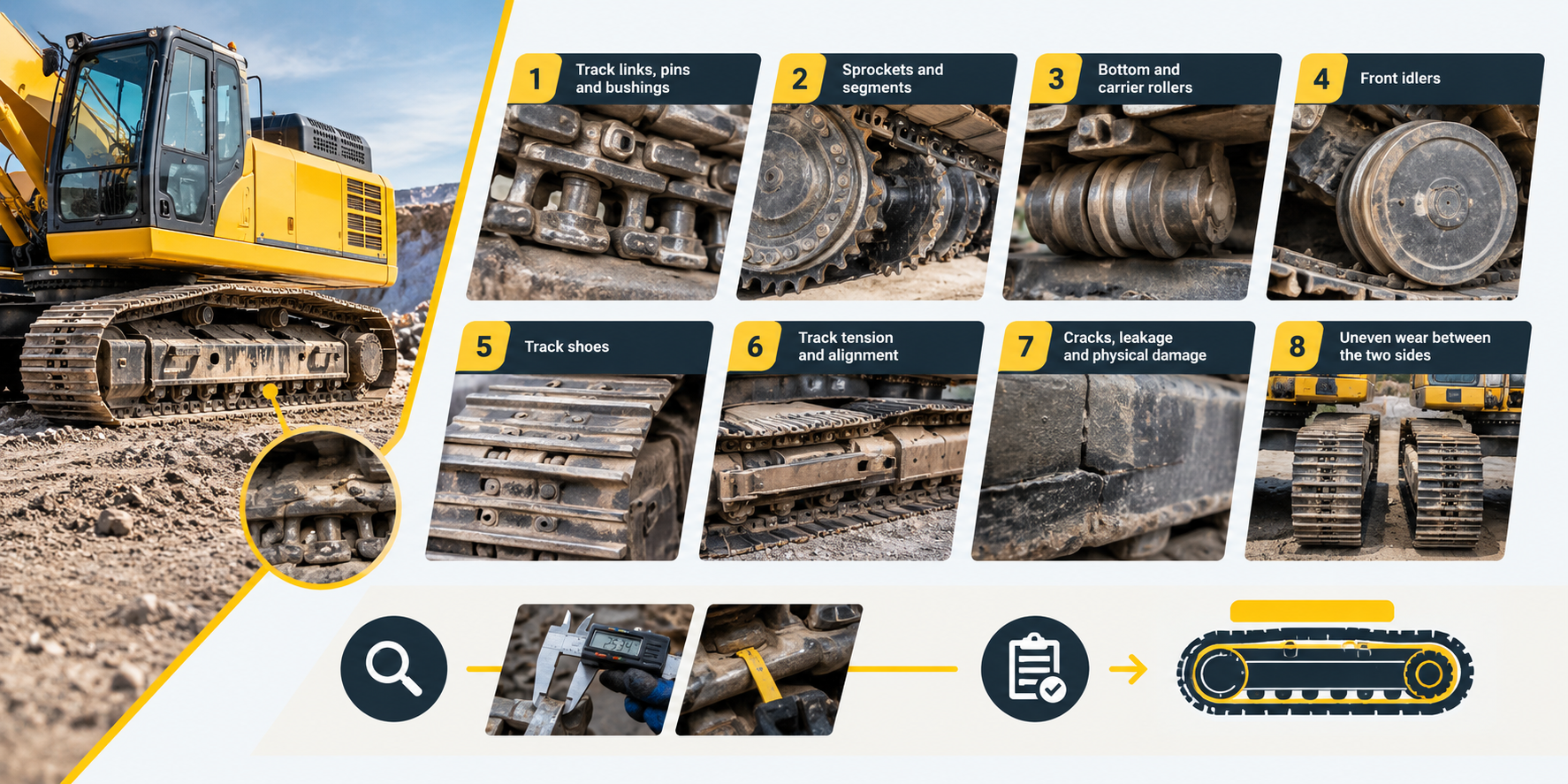
What To Look For During an Excavator Undercarriage Inspection
An excavator undercarriage inspection should determine more than whether a part looks worn. It should establish the condition of the components and whether their remaining service life is suitable for the machine’s expected workload.
The inspection should cover:
- Track links, pins and bushings
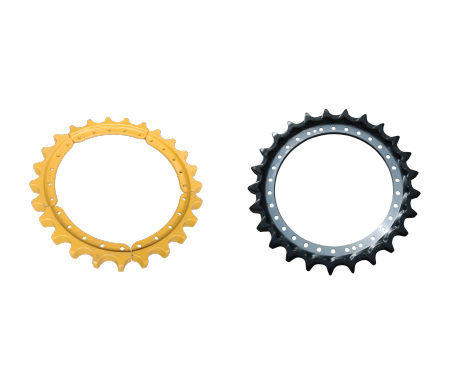
- Sprockets and segments
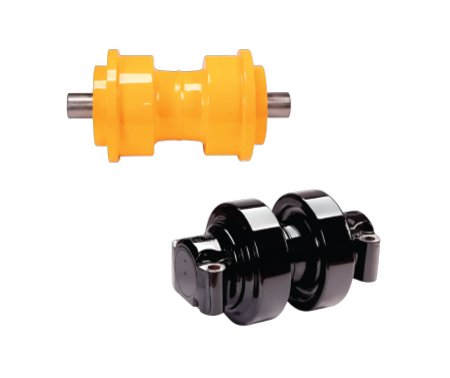
- Bottom and carrier rollers
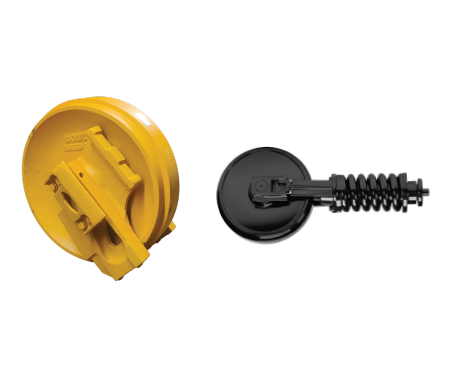
- Front idlers
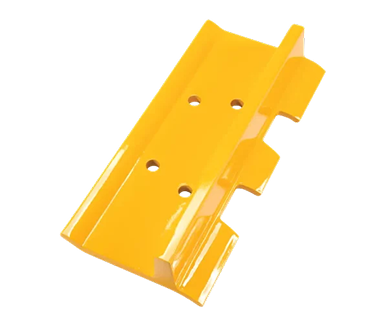
- Track shoes
- Track tension and alignment
- Cracks, leakage and physical damage
- Uneven wear between the two sides of the machine
Measurements are particularly useful when deciding whether replacement can be deferred. Visual inspection can identify obvious damage, but measured wear gives an owner a stronger basis for planning the next repair.
Does Replacing the Undercarriage Mean Replacing Everything?
Not always. Now say for instance, an inspection shows that one part has reached its wear limit, but the rest of the undercarriage is still in reasonable condition. You may only need to replace that particular part.
In another case, several parts may have reached a similar level of wear. Replacing them together can make more sense than changing one and continuing to run the others until they fail.
That decision comes down to the condition of the undercarriage as a whole. The parts work together, so replacing one worn part while leaving another badly worn part in place may affect the service life of the new component.
The solution?
DOZCO supplies aftermarket undercarriage parts for excavators, dozers and other tracked machines used across mining, construction, and quarry operations in Australia. Our range covers large excavators from 30 to 50 tonnes, including applications for Komatsu, Caterpillar and Hitachi models.
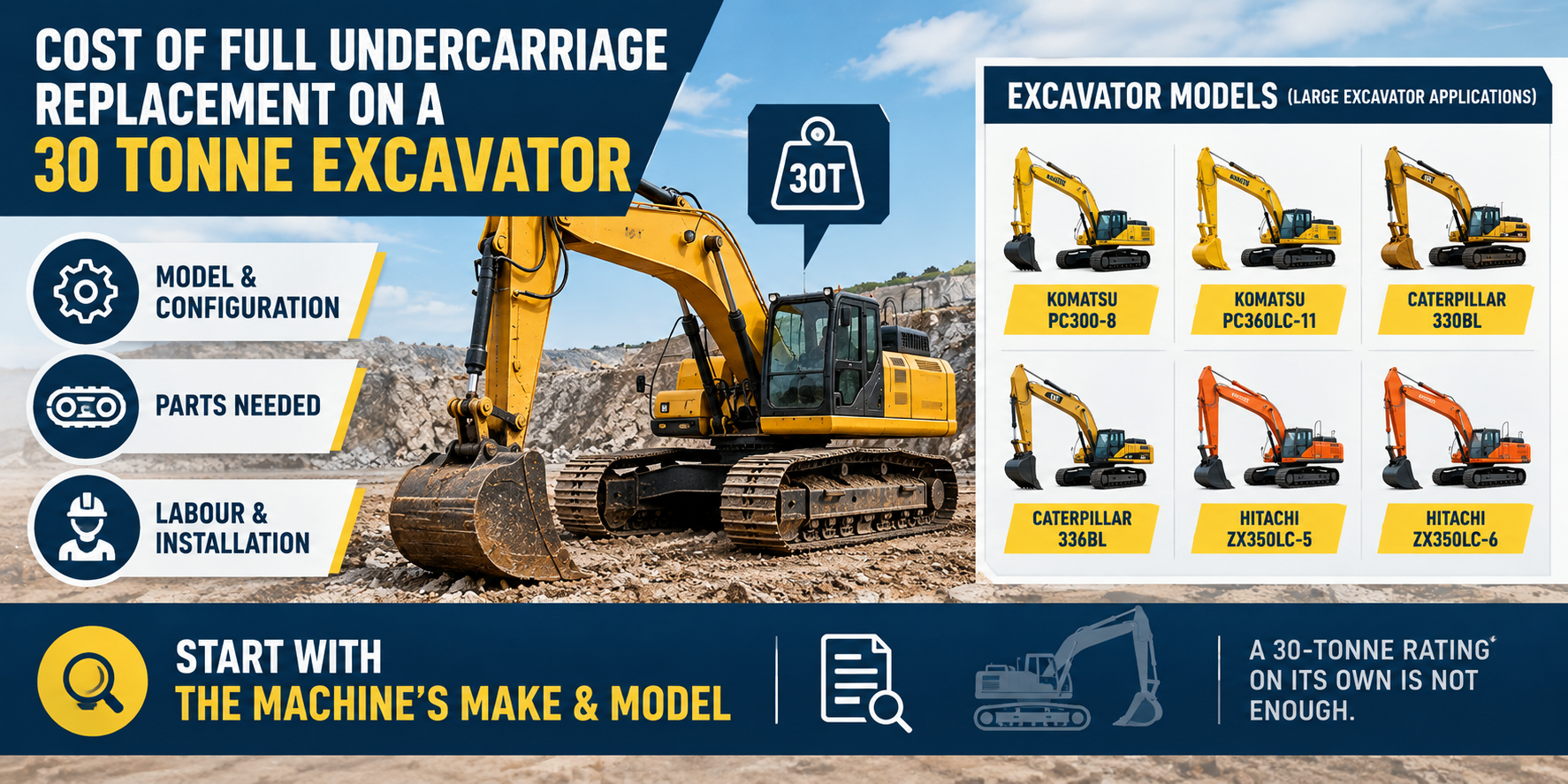
What Is the Cost of Full Undercarriage Replacement on a 30 Tonne Excavator?
If you’re pricing a full undercarriage replacement for a 30-tonne excavator, the machine size alone won’t give you the answer. Two excavators in the same weight class can have different models, track configurations and replacement requirements.
The final cost depends on what is being replaced and which parts the machine requires. Labour and installation also form part of the overall cost.
DOZCO’s listed large-excavator applications include the Komatsu PC300-8 and PC360LC-11, Caterpillar 330BL and 336BL, and Hitachi ZX350LC-5 and ZX350LC-6. This shows why the exact machine model is needed before a replacement can be priced accurately.
So if you’re asking for the cost of a full replacement, start with the machine’s make and model and the parts identified during the inspection. A 30-tonne rating on its own is not enough to give a reliable figure.
Why Choose DOZCO Undercarriage Parts?
Once the inspection has established what needs replacing, the parts need to match the machine and application.
Undercarriage components work under repeated load and contact. Fitment, material and manufacturing specifications therefore matter when selecting replacements.
At DOZCO, our excavator undercarriage parts are made from high-grade steel and use heat-treatment processes. They also undergo quality inspections for fitment and dimensional accuracy.
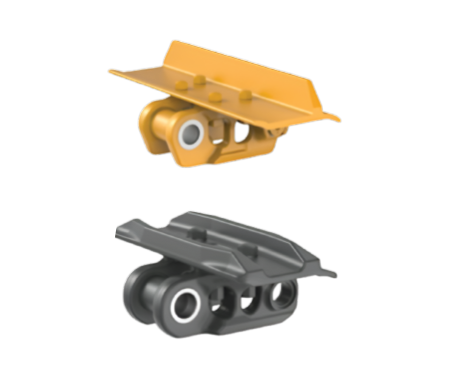
Our range includes track chains, rollers, sprockets, idlers and track shoes for major equipment brands.
So, What’s The True Cost of Delaying Undercarriage Replacement?
The cost of delaying an excavator undercarriage component replacement depends on what happens during those additional operating hours.
If the components remain within acceptable wear limits, continued operation may be reasonable. If wear is already excessive, those hours can increase wear on other parts and expand the eventual repair.
For an equipment owner, that is the real cost of waiting. The original replacement may have been manageable, but the later repair can involve more components and take the machine out of service when it is needed.
A proper excavator undercarriage maintenance inspection gives the owner the information needed to make that decision before a failure makes it for them.
FAQs
How often should an excavator undercarriage be inspected?
There is no such fixed interval for every machine. Inspection frequency should reflect operating hours, ground conditions, workload and the rate of wear observed on the machine.
Can I replace only one excavator undercarriage component?
Yes. If the other related components have sufficient remaining service life, individual replacement may be appropriate. Their condition should be checked before the decision is made.
What are the main excavator undercarriage components?
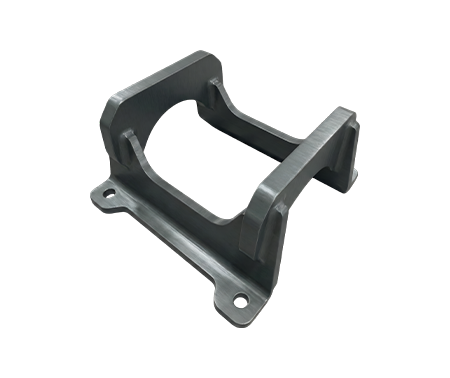
The main components include track link assemblies, sprockets and segments, track rollers, carrier rollers, idlers and track shoes, and track guards.
Does a 30-tonne excavator always need a complete undercarriage replacement?
No. The replacement scope depends on the condition of the individual components. An inspection may show that only selected parts need replacing, or that a complete undercarriage replacement is more appropriate.
Are Caterpillar undercarriage parts more expensive than Komatsu or Volvo parts?
Not always. The brand alone does not determine the price. The cost depends on the excavator model, the specific part required, its specification and whether you choose genuine OEM or aftermarket parts.
DOZCO supplies aftermarket undercarriage parts for all three brands, which gives owners another option when comparing replacement costs.