

 " alt="How to Choose the Right Rock Breaker for Australian Jobsite Conditions">

A rock breaker that works well on one Australian jobsite may struggle on another. A contractor working through hard rock in a quarry has a different requirement from one breaking reinforced concrete in Sydney, removing asphalt on a road project or cutting through rock during trenching.
So, what should you look at before choosing a rock breaker for excavator work?
The excavator is only the starting point.
The material, site conditions, hydraulic system, breaking method, production target and working environment all affect the selection. Australian excavation work can involve rock, trenches, tunnels, demolition and hard ground, with site risks that also need to be assessed before work starts.
This guide looks at those conditions first, then breaks down what contractors should look for in a breaker. It also explains which excavator rock breaker ranges fit into different Australian applications.
Australian Jobsite Conditions Are Not All the Same
Australia has a wide mix of ground conditions and construction applications.
Fractured Rock and Trenching
Trenching can involve fractured or stratified rock where the breaker needs to work within a defined excavation line. Joints, bedding planes and existing fractures can affect how the material responds to impact.
The operator needs good control because excessive impact or poor positioning can damage the surrounding ground or make the trench wider than required.
Compact and Hard Rock
Quarry and mining applications can involve compact rock that absorbs substantial impact energy. Materials such as granite, basalt and other hard rock formations can place greater demands on the breaker and tool.
These applications may also require longer production cycles. Contractors therefore need to consider impact energy, hydraulic flow, breaker durability and the excavator’s ability to support the attachment for the required working period.
Concrete and Demolition Work
Demolition creates a different set of conditions. The breaker may be working on concrete, reinforced concrete or other structural materials rather than natural rock.
Here, breaking capacity is only one part of the selection. Contractors also need to consider access, working position, vibration, debris and the surrounding structure. The breaker needs to deliver enough impact to fracture the material without forcing the excavator or attachment outside its operating limits.
Asphalt and Roadwork
Roadwork can involve breaking asphalt, concrete pavement, or compacted sections before excavation. These jobs usually require controlled and repeated impact rather than simply choosing the largest available breaker.
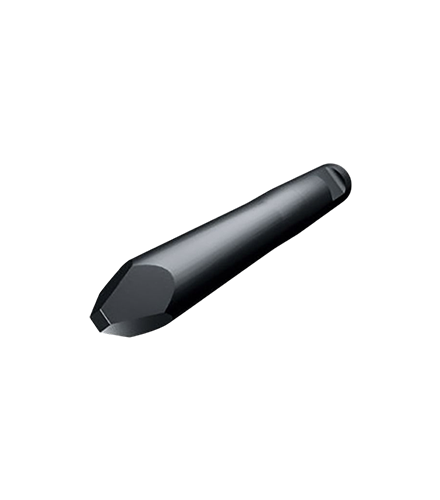
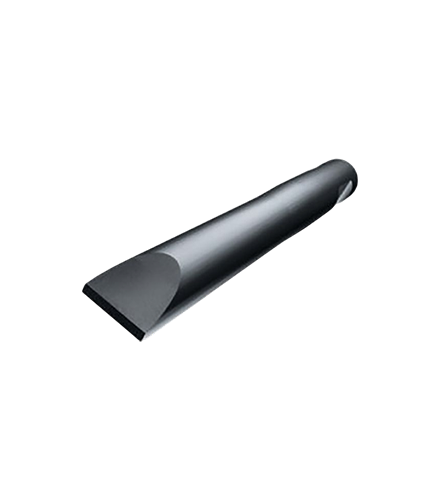
The excavator’s size, breaker weight and hydraulic capacity need to suit the work area. Tool selection also becomes relevant because the breaker must transfer impact effectively into the pavement without unnecessary side loading.
Tunnelling and Confined Work Areas
Tunnelling and restricted excavation areas place greater emphasis on breaker size, machine access and operator control. The attachment needs to work within the available space while still delivering the required breaking performance.
This is where a contractor needs to look beyond the label of “hard rock”. Two sites may involve equally hard material but require different breaker configurations because of access, excavation geometry and production requirements.
What Do Australian Contractors Need From a Rock Breaker?
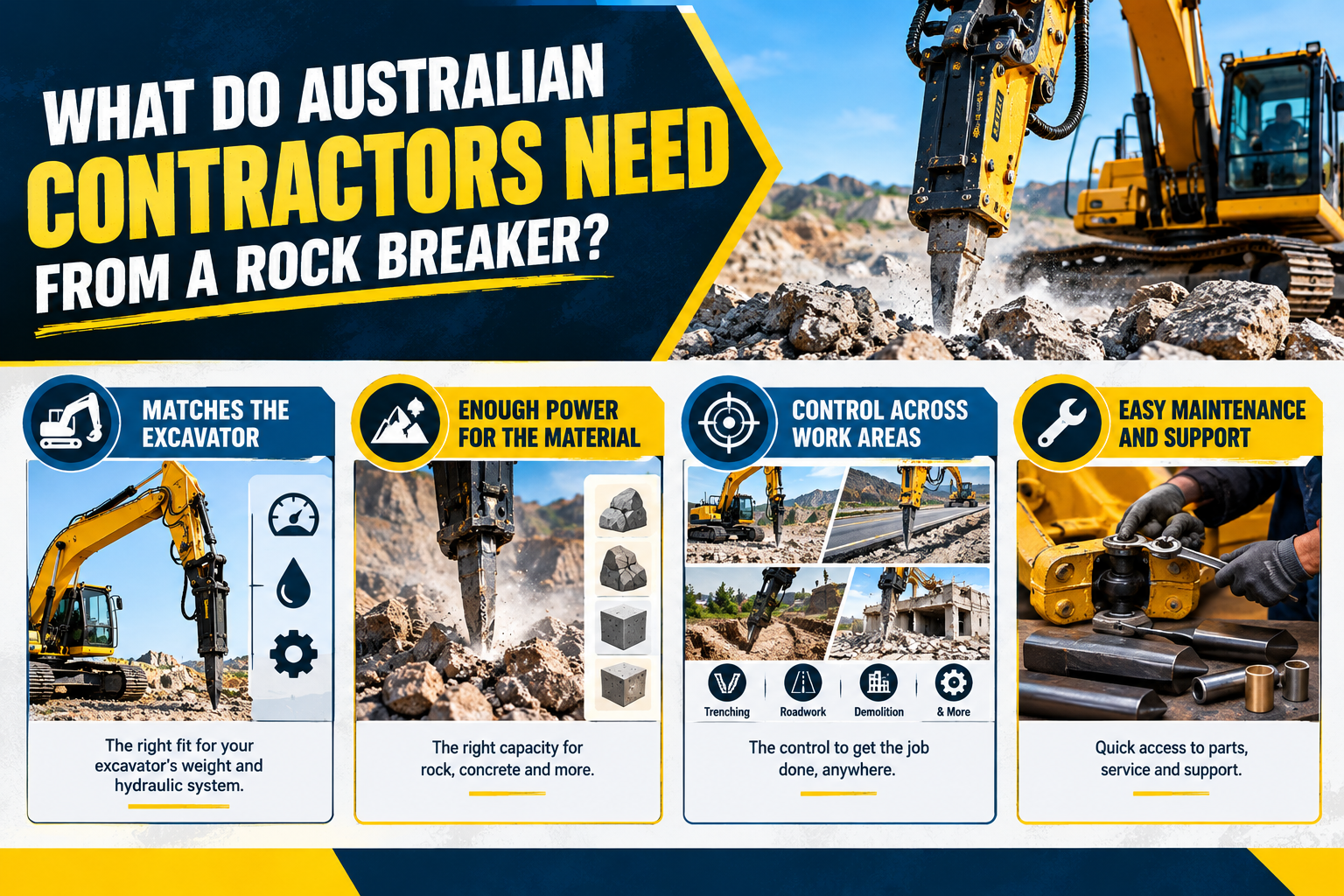
Australian contractors need a rock breaker that can handle the job without creating problems for the excavator, operator or workflow. They mainly look for:
A Breaker That Matches the Excavator
The breaker needs to match the excavator’s operating weight and hydraulic system. Hydraulic flow and pressure must fall within the breaker’s specified working range.
This should be checked before purchase, not after the attachment reaches the site.
Enough Power for the Material
The breaker must have enough capacity for the material it needs to break.
Fractured rock, compact rock, reinforced concrete and other materials can require different levels of impact energy. A breaker that is too small may take longer to break the same section. A breaker that is too large can add unnecessary attachment weight and hydraulic demand for the carrier.
Control Across Different Work Areas
Australian contractors may use breakers for trenching, roadwork, demolition and other applications. Each job can place different demands on how the attachment is positioned and operated.
The breaker needs to give the operator enough control to work within the available space while maintaining the correct position against the material.
Easy Maintenance and Support
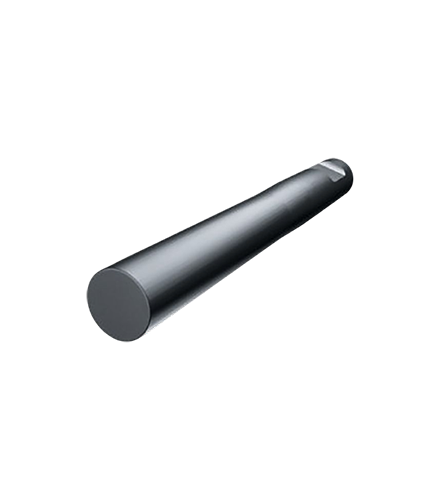
A rock breaker for excavator takes repeated impact loads, so contractors need practical access to wear-part inspection, greasing, maintenance and replacement parts.
If a tool, bush or other wear component reaches the end of its service life, quick access to the required support and parts can help get the excavator back to work sooner.
How Do DOZCO Rock Breakers Fit Different Australian Jobsite Requirements?
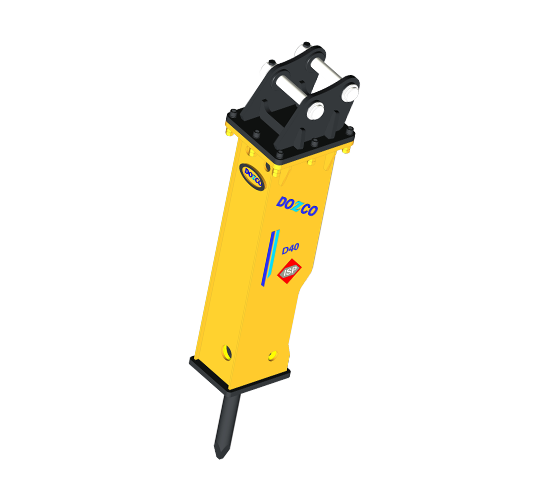
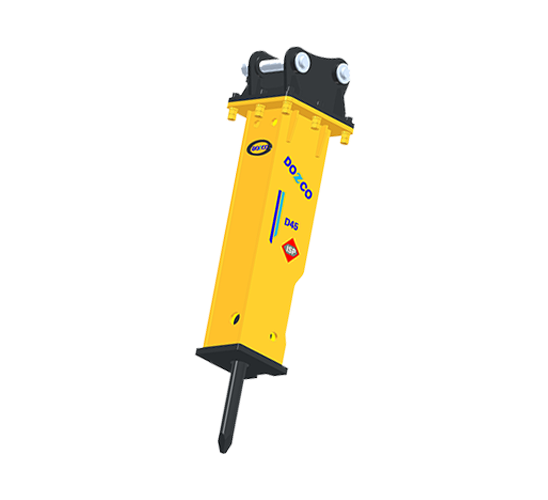
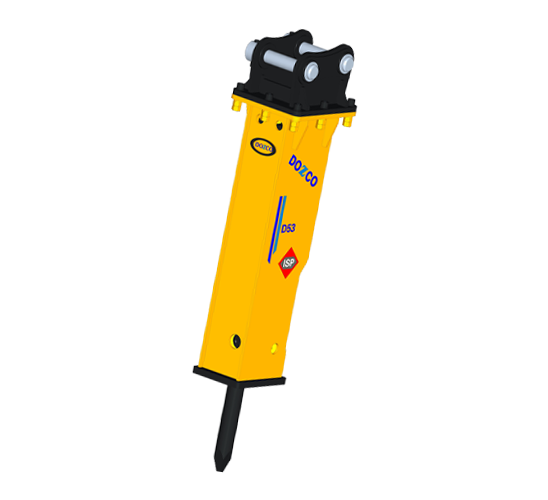
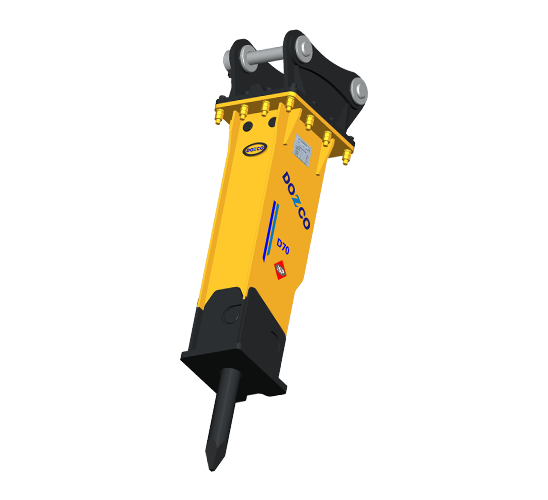
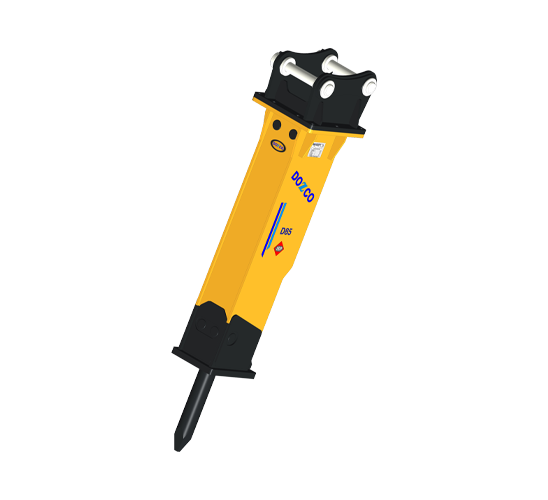
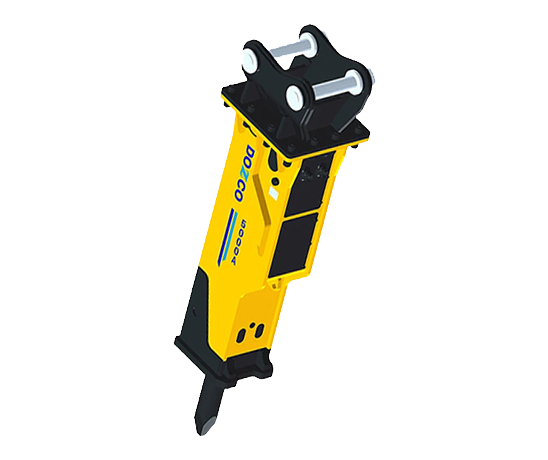
At DOZCO Australia, we have been supplying hydraulic rock breakers and excavator hammer attachments across major Australian cities, including Melbourne, Sydney, Adelaide, Brisbane and Perth. Our range covers different breaker sizes for applications ranging from light demolition and asphalt removal to tunnelling, hard stone and reinforced concrete.
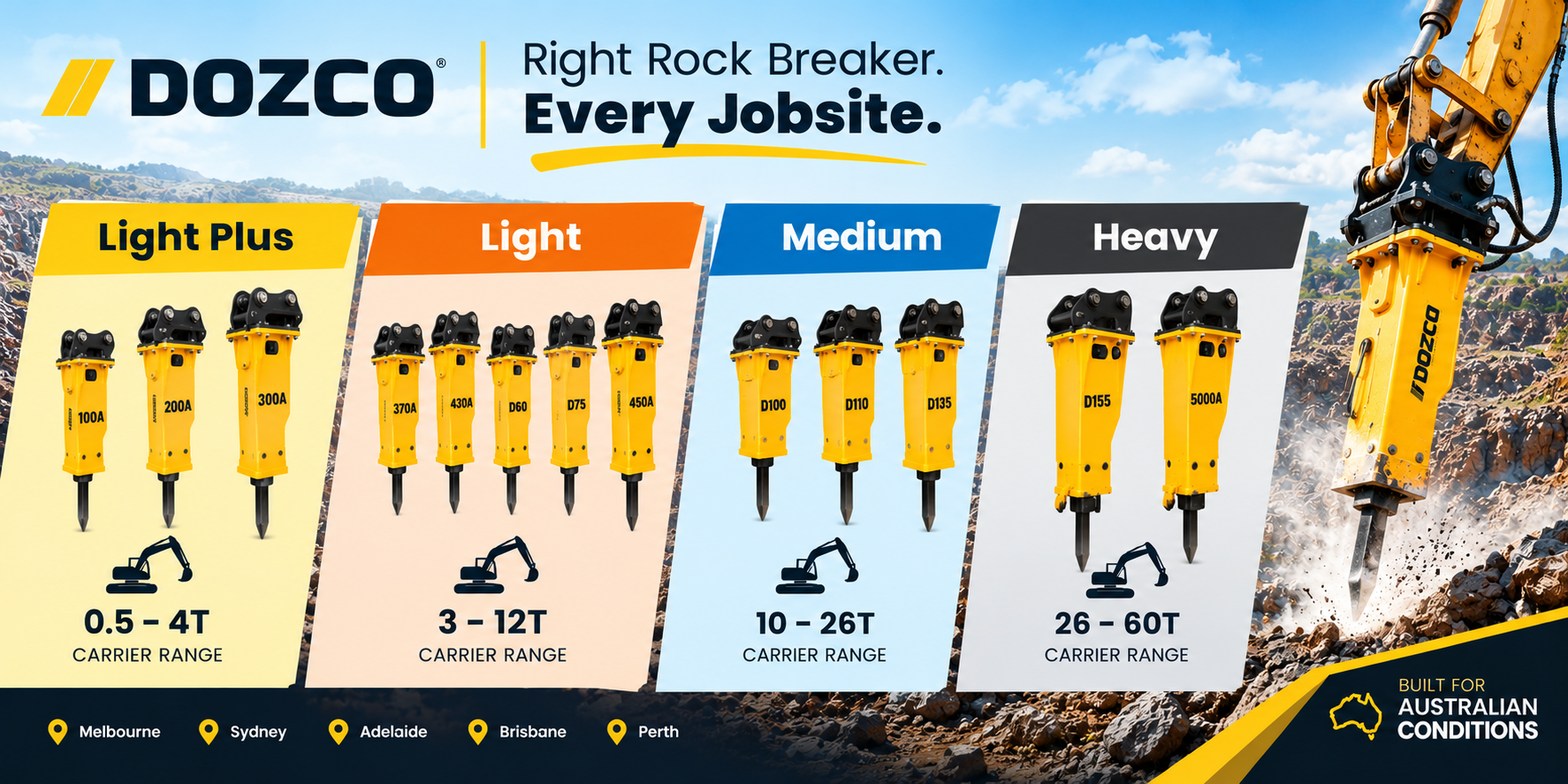
We have rock breakers across four main categories, with each range covering a different excavator class and application requirement.
Light Plus Range
The Light Plus range includes the 100A, 200A and 300A models. These breakers are designed for smaller carriers from 0.5 to 4 tonnes, making them suitable for mini excavators and lighter breaking work.
Light Range
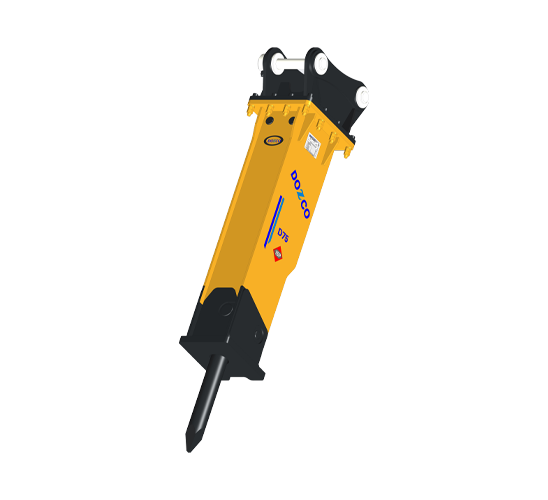
The Light range includes the 370A, 430A, D60, D75 and 450A models. These breakers cover carriers from around 3 to 12 tonnes and suit applications where a compact excavator needs more breaking capacity.
Medium Range
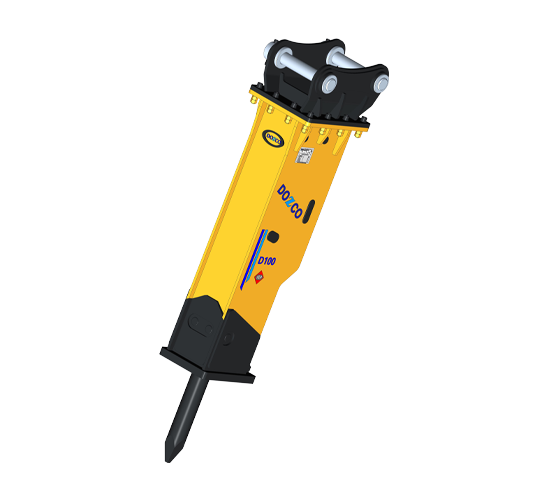
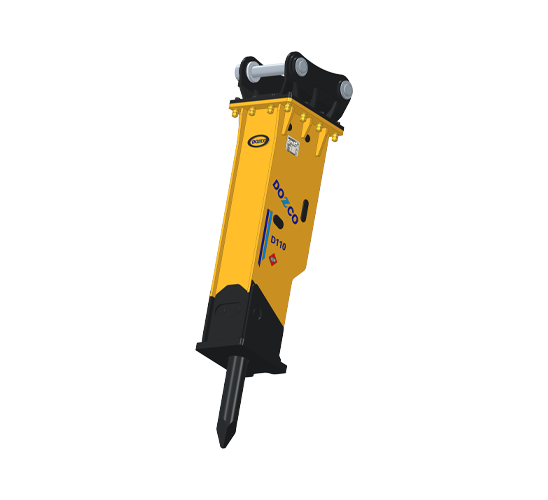
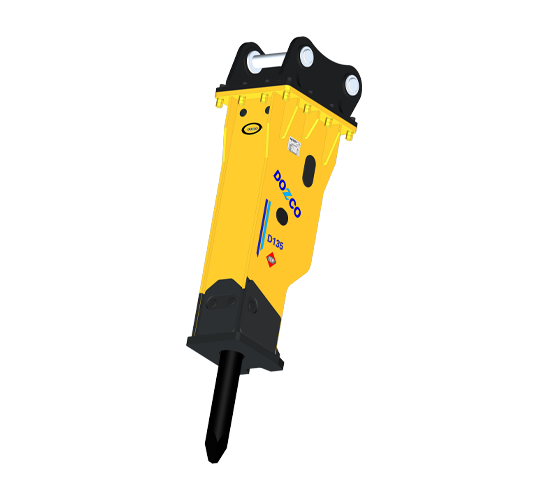
The Medium range includes the D100, D110 and D135 models. These breakers cover excavators from 10 to 26 tonnes, making them suitable for larger construction, quarrying, tunnelling and concrete-breaking applications.
Heavy Range
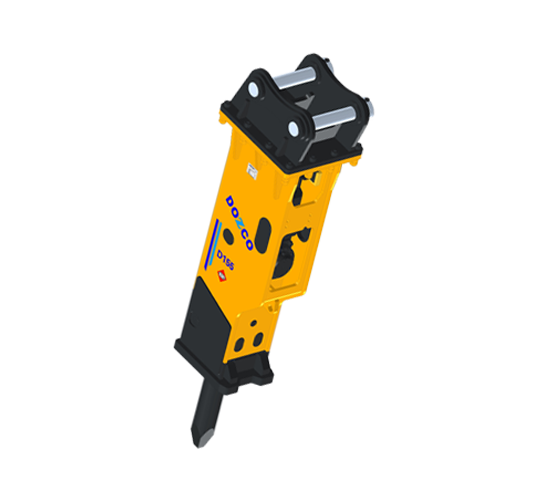
The Heavy range includes the D155 and 5000A models. These are designed for larger excavators from 26 to 60 tonnes and are suited to demanding rock-breaking and heavy-duty applications.
Our approach is based on matching the rock breaker size to the excavator and application rather than using the same attachment for every job.
Final Thoughts
A rock breaker becomes part of the excavator’s daily workload, so its upkeep deserves the same attention as the machine itself. Regular greasing, checking the tool and bushes, inspecting hoses and keeping the hydraulic settings within range can help avoid small wear issues turning into work stoppages.
If you have an upcoming project in Australia and need a rock breaker suited to your excavator and site conditions, get in touch with us to discuss your requirements or request a quote.
FAQs
1. How do I choose the right rock breaker for an excavator?
Check the excavator’s operating weight, hydraulic flow and operating pressure. Then match the breaker to the material and type of work.
2. Can the same rock breaker be used for demolition and quarrying?
Not always. The required breaker size depends on the excavator, material and application. Demolition, quarrying, tunnelling and asphalt removal can have different requirements.
3. Why does the excavator size matter when selecting a rock breaker?
The breaker needs to match the excavator’s operating weight and hydraulic system. An unsuitable match can affect breaker performance and place unnecessary load on the machine or attachment.
4. What makes DOZCO rock breakers suitable for different Australian jobsites?
DOZCO rock breakers are available in Light Plus, Light, Medium and Heavy ranges, allowing contractors to choose a model based on the excavator size, hydraulic requirements and type of breaking work.