


 " alt="How Chisel Wear Impacts Breaking Efficiency and Fuel Consumption">

A rock breaker does not always give an obvious warning when its chisel starts wearing out. The breaker still fires. The excavator still runs. The operator can still hear the same impact. Yet a job that once took 20 minutes may start taking much longer.
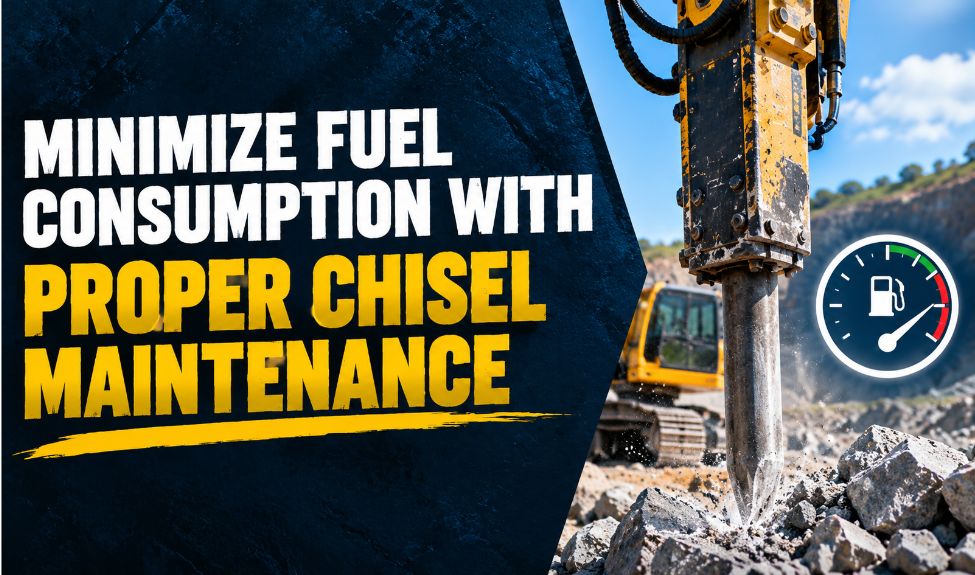
That extra working time has a cost. Fuel consumption rises when the machine has to run longer to produce the same output. Chisel wear can also change the way impact energy reaches the material, which makes the tool condition worth watching closely on demanding jobs.
This article is all about this: what happens as a hydraulic breaker chisel wears, how that wear affects breaking efficiency, and why the effect can show up in fuel use. It also covers the factors that influence chisel wear, the signs contractors should inspect, and how tool selection and operating practices affect service life.
How Does an Excavator Breaker Chisel Wear Reduce Breaking Efficiency?
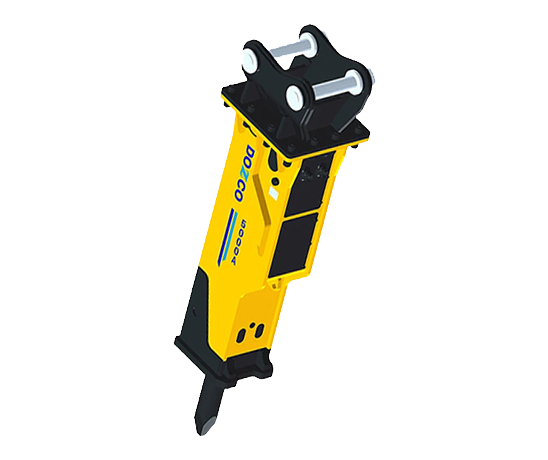
An excavator breaker relies on the chisel to transfer the force from the piston into the material. The working end concentrates that impact on a small area so the material can crack and break.
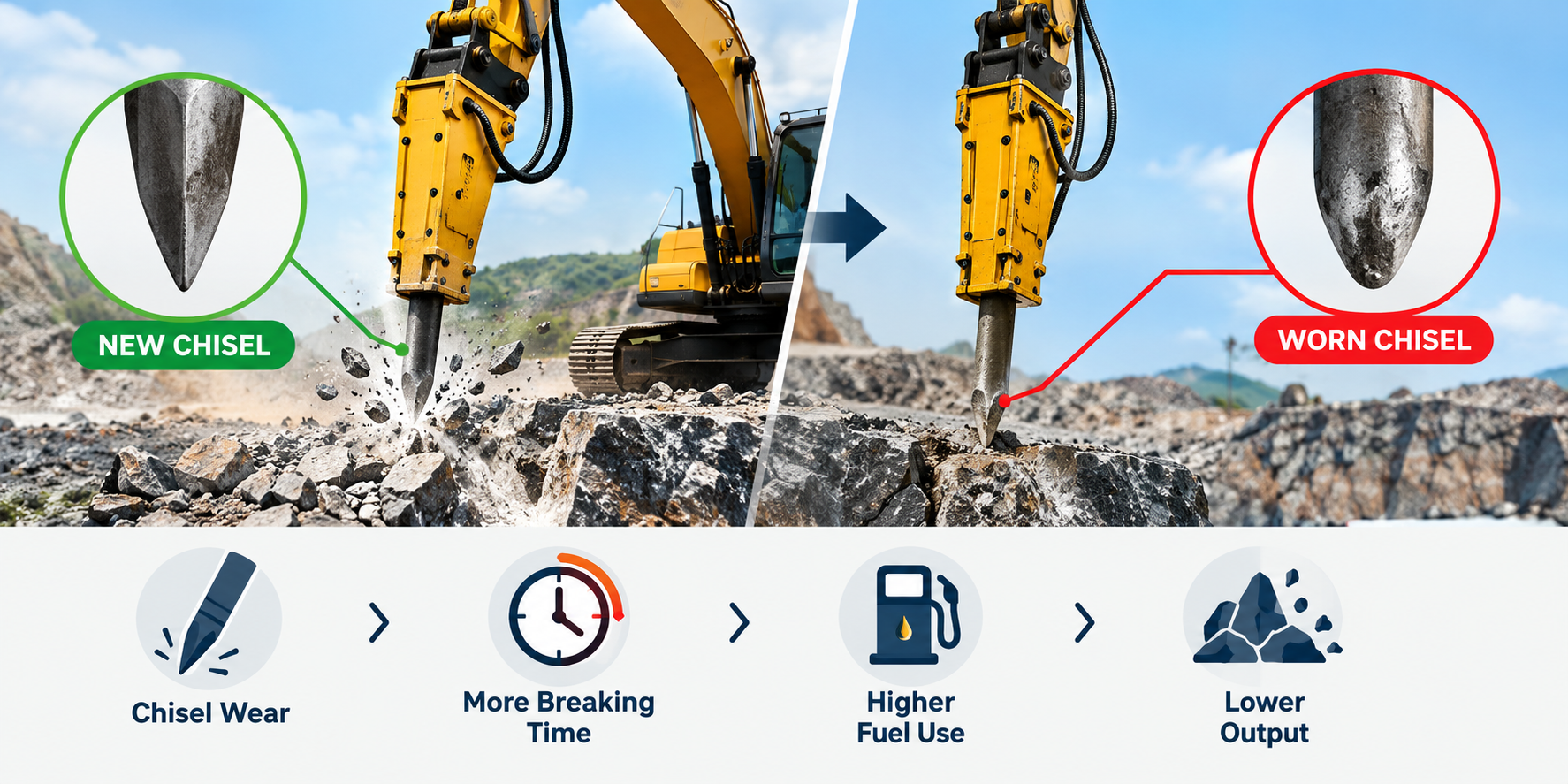
As the chisel wears, its original profile changes. A pointed end can become rounded. A blunt tool can develop an uneven working face. Excessive heat can also soften and deform the tip.
The effect depends on what the breaker is doing. In hard rock, a worn tip may struggle to penetrate the surface. In concrete demolition, an unsuitable or damaged profile can reduce how effectively the impact creates cracks. The operator may then need more blows before the material gives way.
The breaker itself may still have enough hydraulic power. The issue can sit at the point where that energy reaches the material.
When More Breaker Cycles Start Showing Up
Cycle count is a useful practical indicator of chisel condition of a rock breaker.
If a section of rock previously broken after a certain number of impacts but now needs repeated strikes at the same point, the tool needs inspection. The same applies when the operator has to reposition the breaker several times to achieve the same result.
This does not mean every drop in production comes from chisel wear. Material changes, breaker condition, hydraulic pressure, tool selection and operator technique can all affect the end output.
The point is to investigate the tool when production changes without an obvious change in the job.
How Chisel Wear Can Lead to Excess Fuel Consumption
A worn chisel does not make the excavator suddenly burn a fixed amount of extra fuel per hour. The relationship is more practical than that.
The excavator uses fuel while its engine and hydraulic system power the breaker. If the breaker needs more time to produce the same amount of broken material, the machine remains at work for longer.
For example, two excavators may both consume a similar amount of fuel during an hour of breaker work. If one breaks more rock during that hour, its fuel cost per unit of output is lower.
This is why the condition of the chisel for the rock breaker should be considered alongside production records rather than fuel figures alone.
What Causes a Rock Breaker Chisel to Wear Faster?
A chisel wears faster when the tool, material, and operating method do not match. Here are certain conditions where the excavator breaker chisel damages fast.
Material and Application
Hard and abrasive rock puts more load on the working end than softer materials. Concrete, stratified rock and solid rock also respond differently to impact.
The application should guide the choice of a hydraulic breaker chisel. A tool suited to trenching may not give the same results in hard-rock breaking. Using the wrong profile can lead to poor penetration and uneven wear.
Prying and Side Loading
A breaker chisel should take impact along its working axis. Pushing, pulling or prying with the tool places bending loads on the chisel.
This can cause the tool to bend or break around the middle. It can also put extra stress on the breaker components that support the tool.
The breaker should create the fracture through impact. It should not be used as a lever to move or pull material.
Blank Firing
The chisel needs firm contact with the material during the impact cycle. If the breaker fires without proper contact, the piston and tool can collide under abnormal conditions.
Repeated blank firing can damage the tool and the breaker. It can also cause chips around the tool contact area, which may reach other internal components.
Excessive Impact at One Point
Keeping the breaker on one spot for too long can generate heat at the chisel tip, especially when working in hard rock.
Prolonged impact can make the tool tip hot and soft, which can lead to mushrooming. It also recommends avoiding impact at one point for more than 20 seconds.
When the material stops breaking, reposition the excavator breaker chisel instead of continuing to strike the same point.
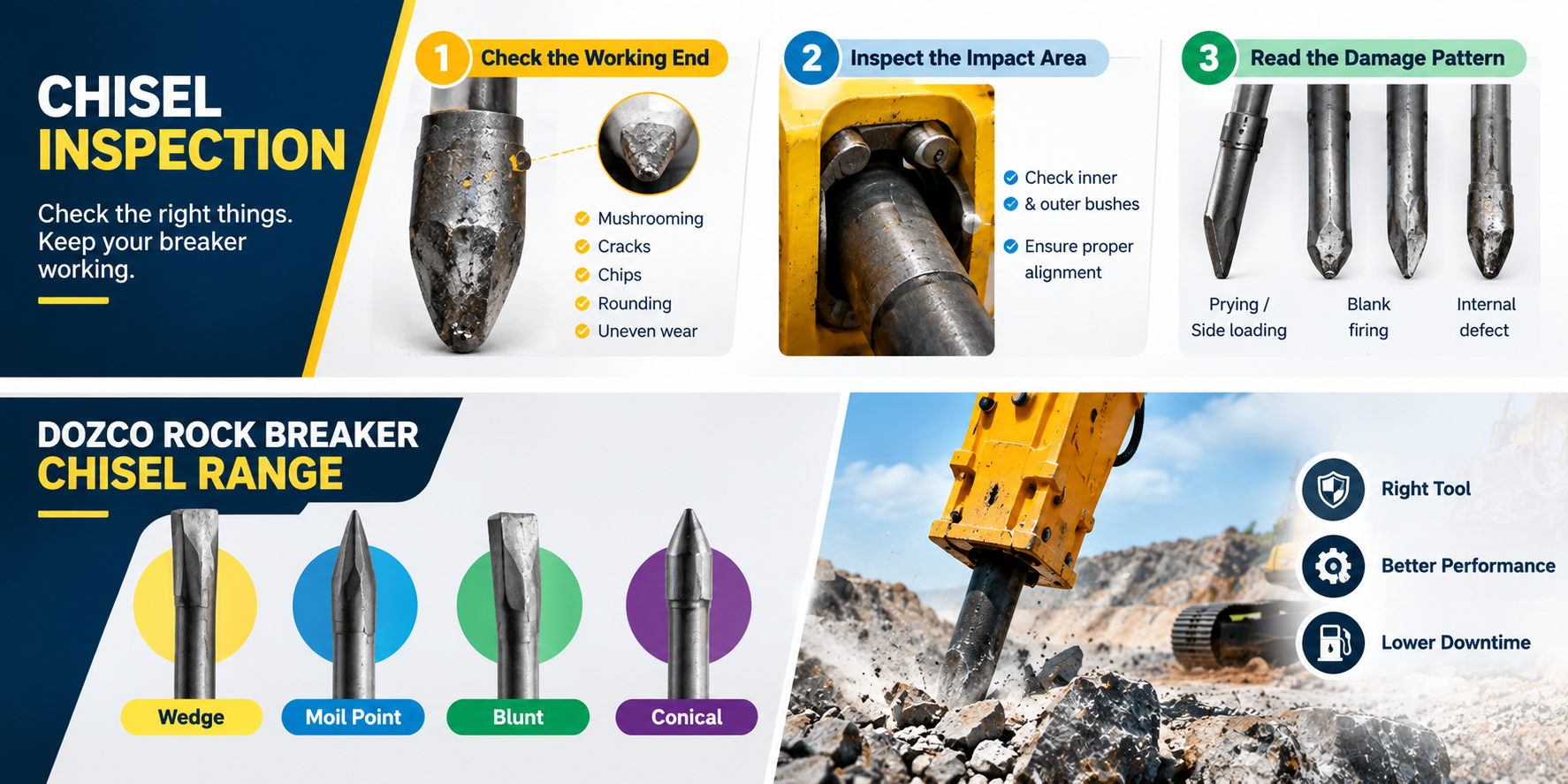
What Contractors Should Check During Chisel Inspection
A worn chisel does not always mean the tool has reached the end of its normal service life. The damage pattern can indicate what caused the problem.
Check the Working End
Start with the tip and working profile. Look for mushrooming, cracks, chips, excessive rounding or uneven wear.
A change in the working profile can affect penetration and impact transfer. If the damage continues to develop, breaking performance can fall further.
Inspect the Impact Area and Bushes
The tool should sit correctly inside the breaker. Excessive wear in the inner or outer bushes can affect tool alignment and lead to poor contact between the piston and chisel during impact.
This is why replacing the chisel alone may not solve a recurring problem.
Read the Damage Pattern
The location and shape of a failure can provide useful information. A chisel that breaks after prying or side loading points to a different operating problem from one damaged by blank firing.
The same applies to internal defects or material-related failures. Inspect the damaged section before fitting a new chisel for a rock breaker. Otherwise, the same operating or equipment issue can damage the replacement tool.
Why Choose DOZCO Rock Breaker Chisels?
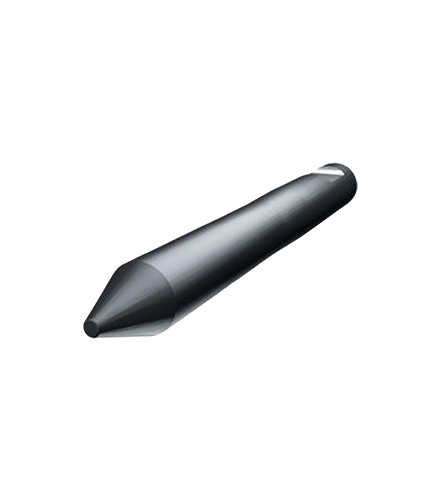
At DOZCO, our rock breaker tool range covers four profiles for different breaking conditions:
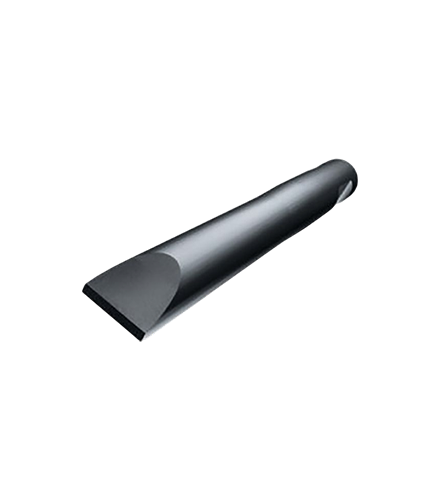
- Wedge chisels for trenching, slope faces, bedrock and concrete
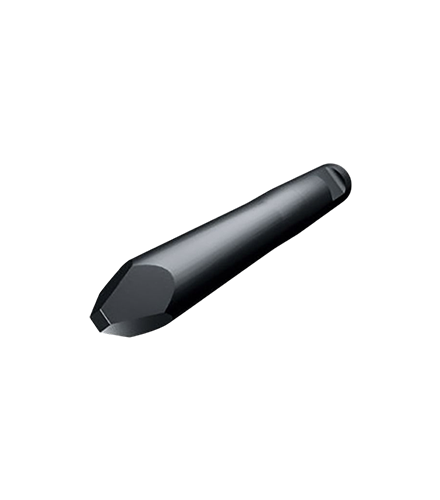
- Moil point tools for hard rock, reinforced concrete and deep penetration
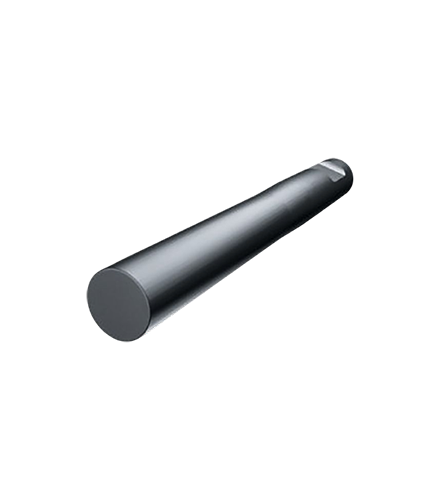
- Blunt chisels for boulder reduction, slab breaking and secondary quarry work
- Conical chisels for quarry breaking, concrete and tough rock
We have been designing and engineering excavator attachments since 1983, with DOZCO Australia established in 2021 to support customers across the region. Our experience spans mining, quarrying, construction and demolition applications, supported by local teams across major Australian cities.
Our approach is based on matching the tool profile to the application rather than using the same chisel for every job. The tools are made using high-grade raw materials and heat-treatment processes, with testing used to check tool quality.
This gives contractors a confident starting point as they can select the excavator breaker chisel according to the material, breaking application and working conditions, then operate it within those limits.
FAQs:
1. How often should a rock breaker chisel be replaced?
There is no fixed replacement interval. Chisel life depends on the material, working conditions, tool profile and operating method. Inspect the working end for mushrooming, cracks, chips, excessive rounding and uneven wear.
Replace the tool when wear starts affecting breaking performance or creates a risk of further damage.
2. Can a worn chisel increase fuel consumption?
Yes. A worn chisel can reduce the amount of material broken in each working period. The excavator may then need to run for longer to complete the same job, increasing fuel use per unit of output.
3. Why does my rock breaker chisel wear out quickly?
Fast wear can result from abrasive material, an unsuitable chisel profile, excessive impact at one point, blank firing or side loading. Check the material, tool selection and operating method before replacing the chisel.
4. Which chisel is suitable for hard rock?
Blunt and wedge tools can be used for solid rocks such as granite, diorite and gneiss, while weak rocks such as sandstone, limestone and coal may suit blunt, wedge or moil point tools depending on the work.