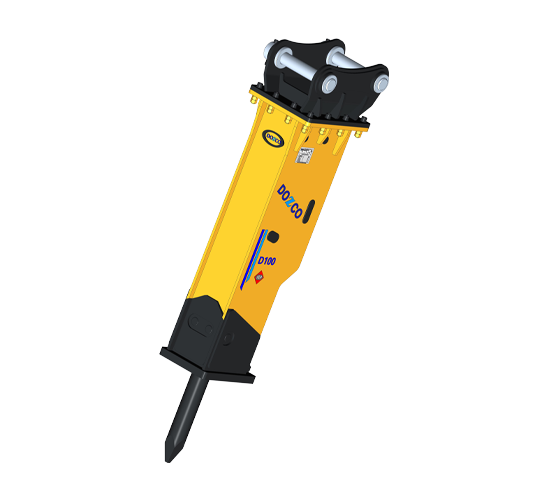
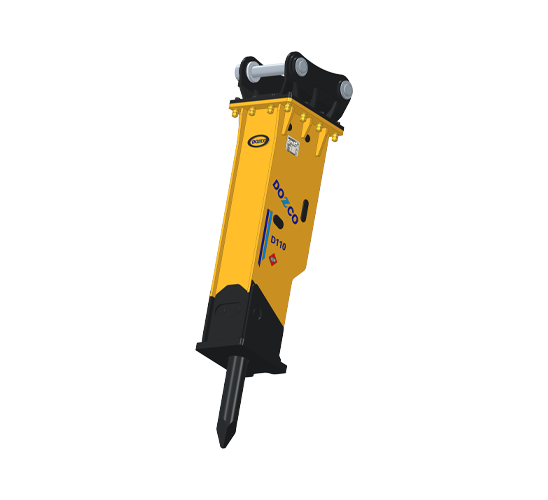
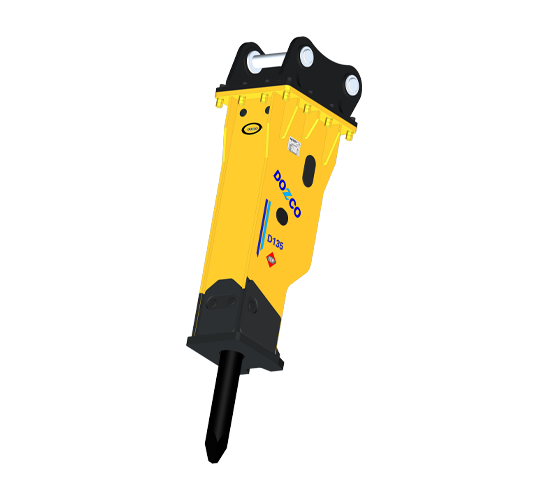
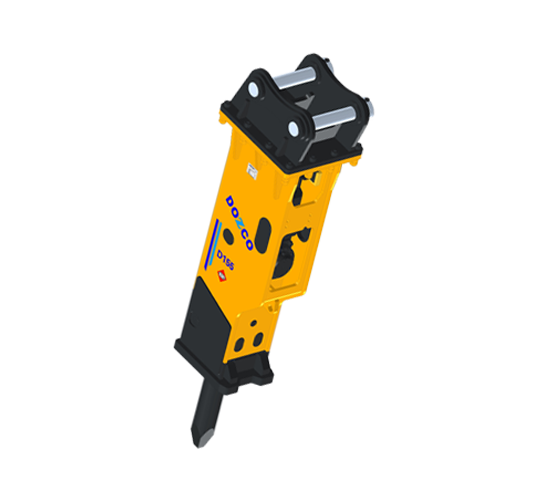
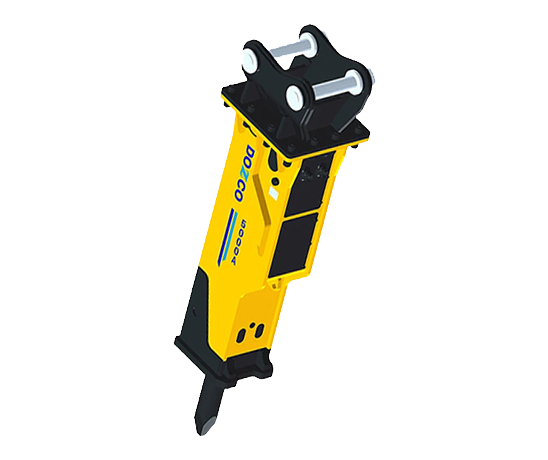


 " alt="Concrete Breaker Buying Guide: Sizing, Rebar Technique & Carrier Compatibility">

Concrete is engineered to withstand heavy loads and harsh weather conditions. Once the concrete cures, it becomes one of the toughest materials on a job site. Naturally, it doesn’t break easily.
While the strength is what you would prefer during construction, it becomes a headache during demolition. There are only a handful of solutions when it comes to breaking concrete. One of them is a hydraulic concrete breaker or rock breaker.
That being said, choosing the right size of the breaker is also equally important. Contractors often underestimate how taxing concrete breaking can be. They mismatch the hydraulic flow. Or they overlook tool selection. This results in slowing down your project. The carrier machine starts to overheat, and you have to deal with unexpected downtime.
When it comes to choosing a concrete breaker, you can’t just pick the largest model available. You need to understand the capability of the carrier (excavator) and choose the right size. Besides, selecting the correct chisel and its durability is equally important.
Read on to know more about concrete breaking and the attachment that helps with it:
Why is it So Difficult to Break Concrete?
Concrete is engineered to withstand compressive loads. It has various properties and elements that make it difficult to break, for instance:
- High compressive strength.
- Steel reinforcement (rebar).
- Dense aggregates blunt impact energy.
- Cured and aged concrete becomes harder over time.
- Moisture and temperature changes alter fracture behaviour.
Unlike soil or loose rock, concrete fractures unpredictably. You might create surface cracks without full separation. Reinforcement bars can tie broken sections together, forcing the breaker to work harder and longer. This is where equipment choice becomes critical.
How Does a Hydraulic Breaker Operate?
Concrete breakers are powered by hydraulic energy. These attachments work by blowing the surface with high-impact energy. The chisel or tool contacts the surface and transfers concentrated force directly into the material.
Instead of one massive explosive event like blasting, hydraulic breakers apply controlled, repetitive force. This offers several advantages:
- Greater precision
- Reduced vibration spread
- Safer operation near structures
- Better control in urban environments
To understand this impact cycle in detail, check out: how rock breakers operate.
This is exactly why the right impact energy and blow frequency for the material is so crucial. If the hydraulic breaker is too small, you need to blow multiple times. If it is too large, you stress the carrier hydraulics.
Choosing the Right Chisel for Concrete Work
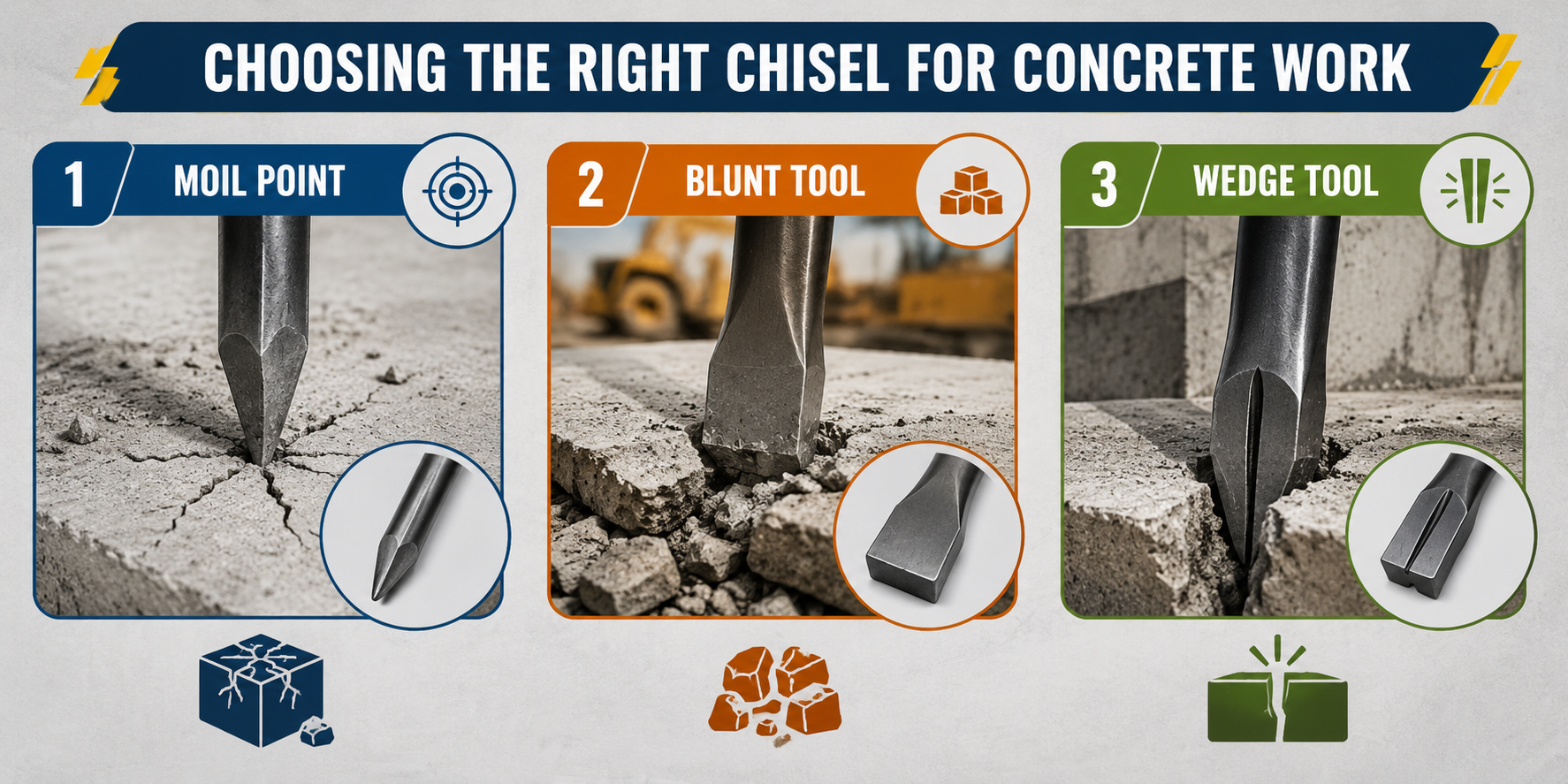
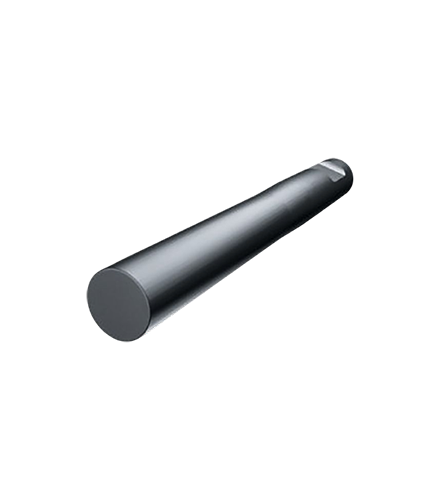
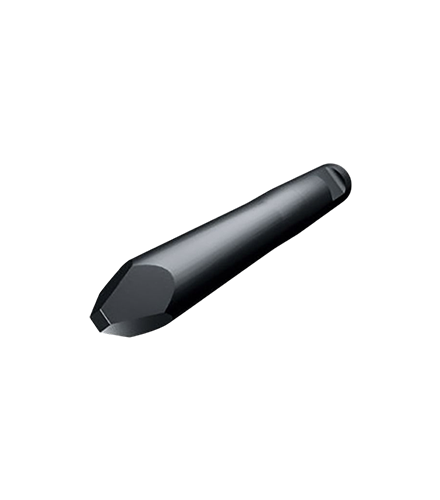
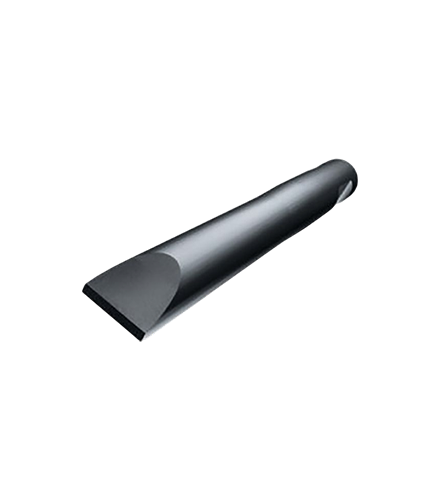
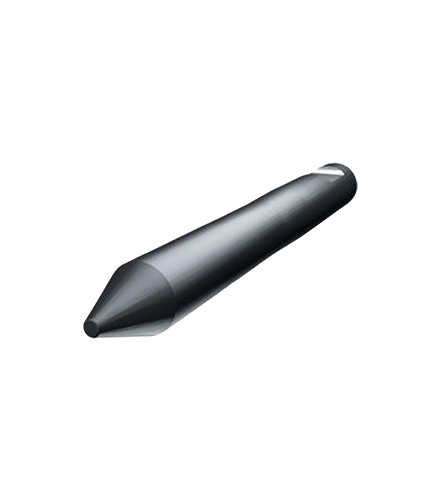
The tool selection affects performance more than many operators realise. Here are the common chisel types used in demolition:
1. Moil Point
Best for general concrete breaking and reinforced slabs. It concentrates force into a small area, initiating cracks quickly.
2. Blunt Tool
Ideal for secondary breaking and large chunk reduction. Works well when the material has already fractured.
3. Wedge Tool
Useful for splitting and controlled separation. Helpful in structured demolition work.
Is a Rock Breaker Better than Blasting to Break Concrete
Blasting is useful for large-scale quarry work. Blasting can cause flying objects; it is better for deserted areas. But that is not the case for construction and urban demolition. It often creates more complications than solutions.
Here is why hydraulic rock breakers are preferred:
- No explosives permits required.
- Reduced exclusion zones.
- Better vibration control.
- Safer around utilities and services.
- Immediate start-up capability.
In cities and infrastructure projects, controlled impact beats uncontrolled shock waves every time. Hydraulic breakers allow staged demolition. You remove sections carefully. You work around live services. You maintain structural control.
Here is a side-by-side comparison to clarify the difference:
| Factor | Hydraulic-powered Concrete Breaker | Blasting |
|---|---|---|
| Control & Precision | High control. Breaks specific sections gradually. Ideal for staged demolition. | Low precision. Affects a wide area. |
| Safety in Urban Areas | Safer near buildings, utilities, and live services. | Requires large safety exclusion zone. |
| Regulatory Requirements | Standard equipment compliance. No explosive permits. | Permits and regulatory approvals required. |
| Vibration Impact | Controlled vibration. Suitable for residential and road work. | High shock waves. Risk of structural damage nearby. |
| Noise Levels | Continuous but manageable. | Short but extremely loud shock blast. |
| Setup Time | Minimal setup. Start work immediately. | Planning, drilling, charging, and clearance required. |
| Environmental Impact | Lower dust spread and debris projection. | High debris throw and dust dispersion. |
| Cost Structure | Predictable operational cost. | Higher hidden costs (permits, transport, delays). |
| Flexibility on Site | Easily repositions and adjusts approach. | One-time once per blast cycle. Limited adjustments after detonation. |
| Best Suited For | Urban demolition, road repairs, tunnelling, reinforced concrete removal. | Large-scale quarrying and massive rock excavation. |
Matching the Breaker to the Carrier
One of the most common and costly mistakes on-site is incorrect breaker sizing. Many contractors assume “bigger is better.” Others choose a smaller unit to reduce upfront cost.
A hydraulic breaker needs to be compatible with the excavator’s weight class and hydraulic system. Otherwise, you see a drop in performance.
If the Breaker Is Too Small
Using an undersized breaker causes several operational challenges, such as:
- Production slows down. The breaker lacks sufficient impact energy to fracture dense or reinforced concrete efficiently. Operators stay longer in one spot, reducing overall productivity.Tool wear increases. Repeated blows without effective penetration cause the chisel to mushroom or deform.
- Overworking the excavator. Operators compensate by applying excessive downforce or longer cycle times, which stresses the carrier.
- Heat buildup rises. Continuous impact cycles generate unnecessary thermal load.
- Higher long-term costs. More fuel consumption per cubic metre, broken and frequent tool replacements, add up.
Common Field Problems Operators Often Face
On-site challenges are real. Let’s address a few common ones.
1. Blank Firing Damage
Blank firing occurs when the breaker piston strikes without proper material contact. This stresses internal components and shortens service life.
DOZCO breakers incorporate Anti-Blank Firing (ABF) systems in many models. This feature helps protect internal components by preventing unnecessary firing when contact is lost. Over time, this reduces wear and maintenance costs.
2. Excessive Tool Wear
Abrasive aggregates and reinforced concrete accelerate tool wear. High-quality hardened tools and properly fitted bushes reduce this issue.
Reliable material quality matters here. Poor metallurgy leads to rapid chisel deformation and frequent replacements.
3. Overheating During Continuous Operation
Long demolition shifts can generate heat buildup. Correct duty cycles, proper lubrication, and correct breaker sizing help prevent overheating.
A well-matched breaker runs smoother and lasts longer.
Key Features to Look For When Choosing a Concrete Breaker
When selecting a breaker for demolition and construction work, consider these factors:
Correct Weight Class
Make sure the attachment is compatible with your excavator’s operating weight.
Hydraulic Compatibility
Confirm flow rate and pressure specifications match your carrier.
Impact Energy vs Blow Frequency
Higher impact energy suits thick, dense material.
Higher blow frequency works well for thinner slabs.
Anti-Blank Firing (ABF)
Protects internal components and reduces long-term wear.
Durable Tool Steel
High-quality chisels improve productivity and reduce downtime.
Spare Parts Availability
Fast access to seals, tools, and bushes prevents long project delays.
Final Thoughts
Demolition projects run on tight timelines. Equipment breakdowns cost more than repair bills. They delay other trades. They disrupt project flow. That is why build quality matters.
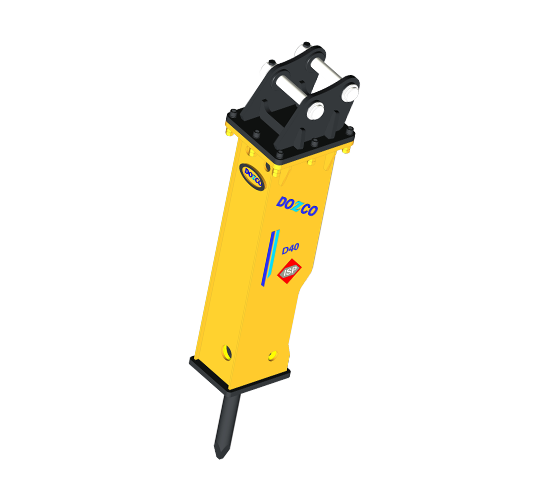
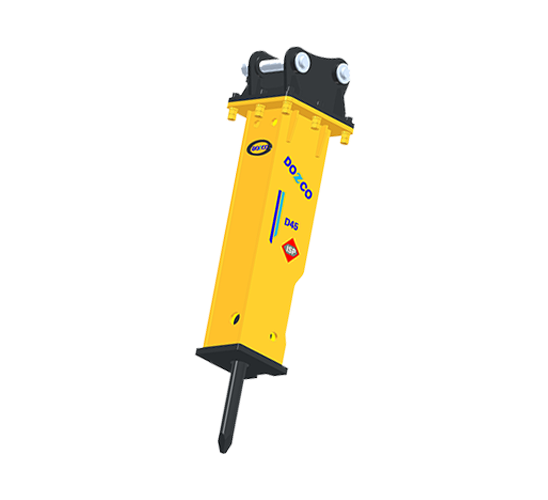
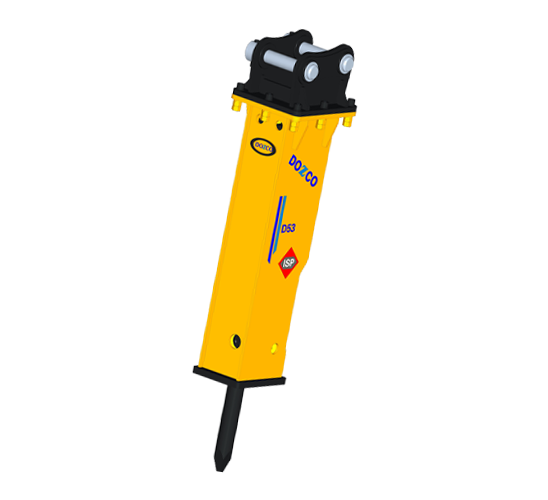
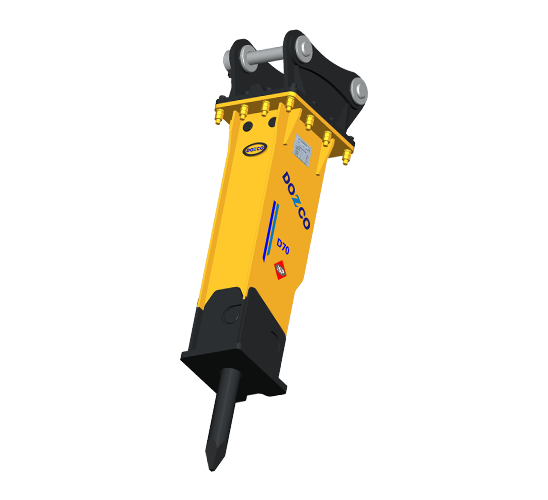
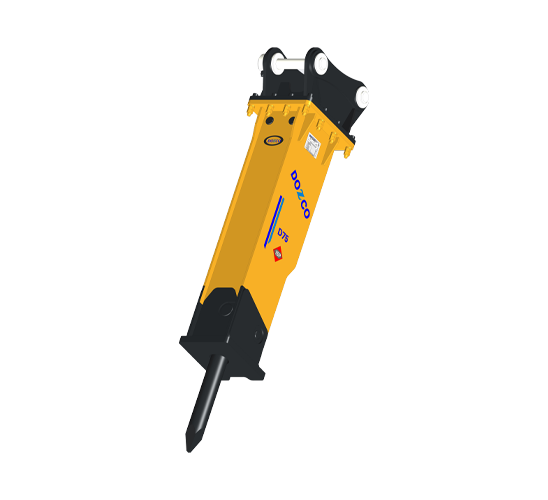
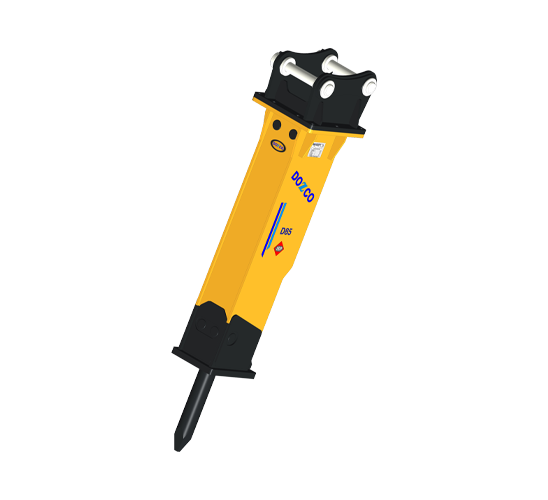
DOZCO rock breakers are engineered for durability and consistent performance in demanding environments. Our models come with the ABF system and comply with quality manufacturing standards. We offer a broad model range designed to address real-world construction challenges.
FAQs
What is a concrete breaker used for?
A concrete breaker is used to break reinforced concrete, slabs, roads, and foundations.
How long can you use a concrete breaker?
You can use a concrete breaker for long shifts. But the attachment needs proper lubrication, cooling, and frequent maintenance.
How to demolish a concrete slab?
To break a concrete slab, you need to position the breaker vertically on the slab. Start from edges or weak points. Apply controlled impact to create cracks. Break sections gradually and remove reinforcement carefully for safe demolition.
How can blank firing damage a hydraulic breaker?
Blank firing occurs without proper material contact. The piston strikes internally, stressing components and shortening breaker service life. That’s why DOZCO hydraulic breakers come with an ABF system.