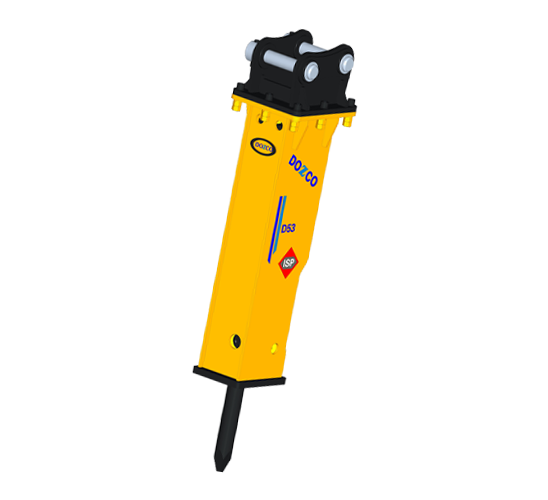
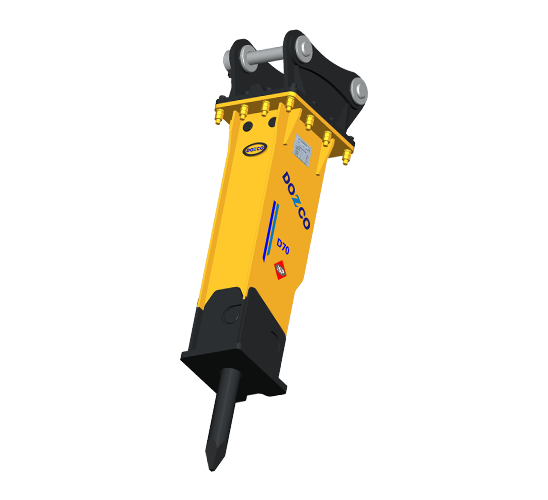
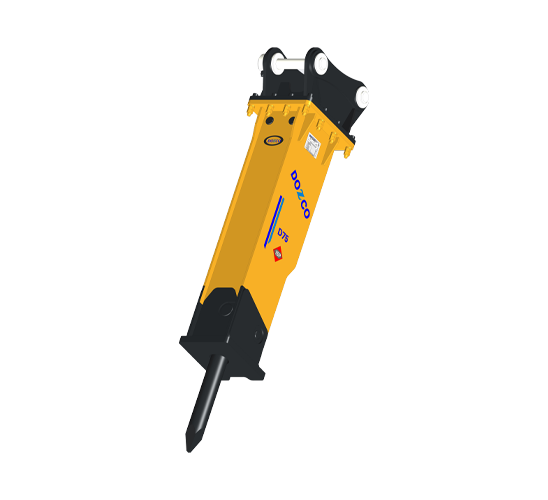
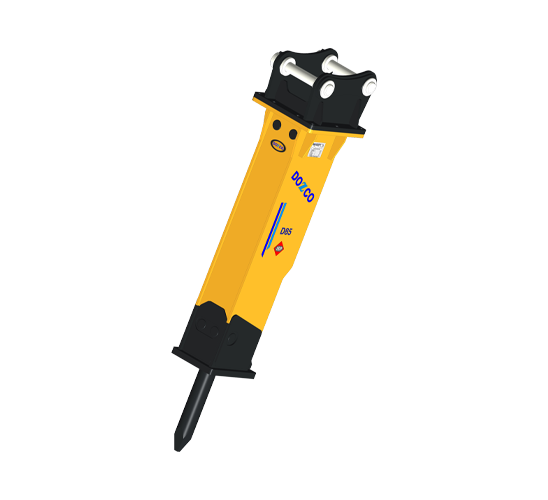


 " alt="Excavator Jack Hammer: The Complete Guide for Australian Contractors">

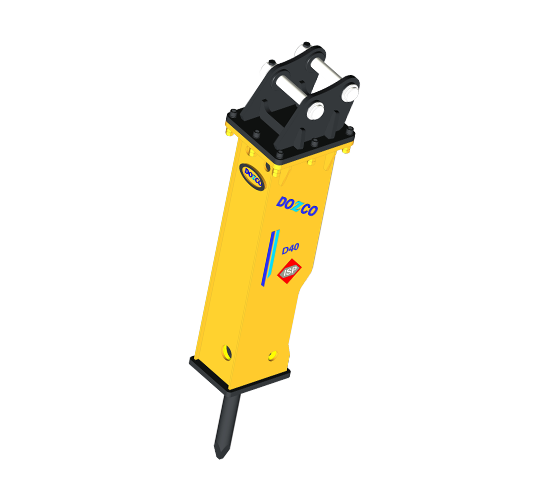
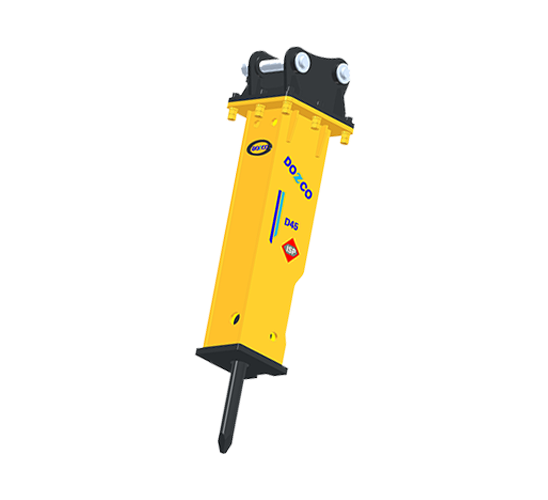
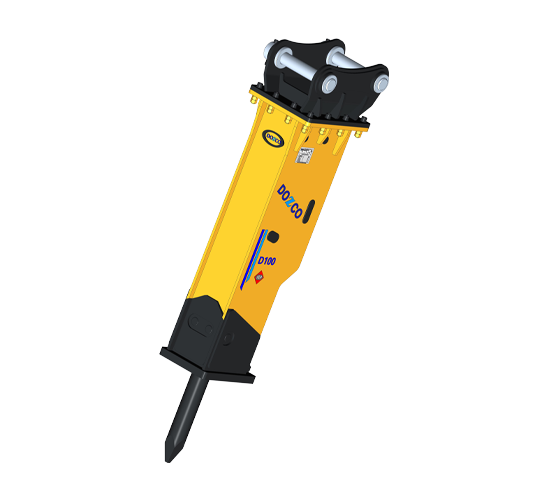
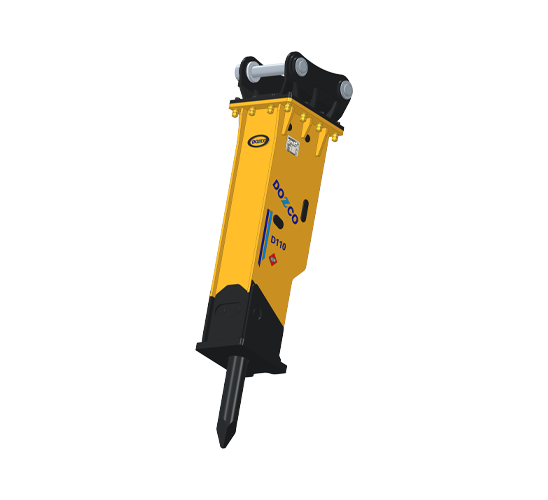
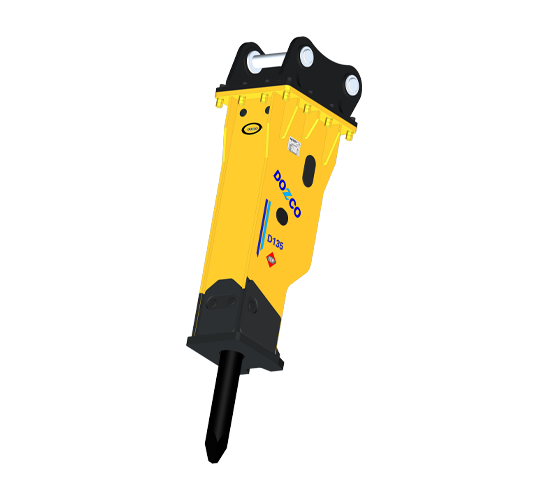
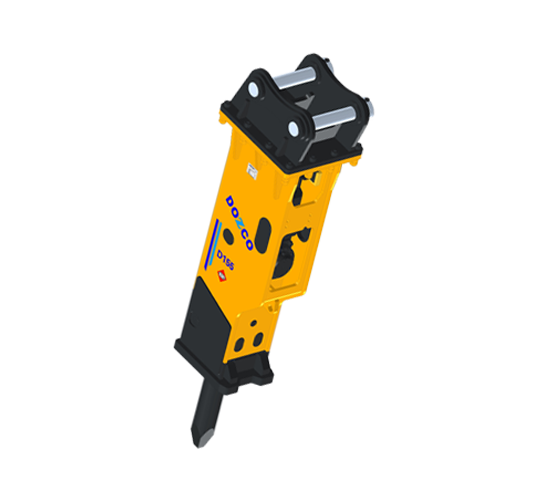
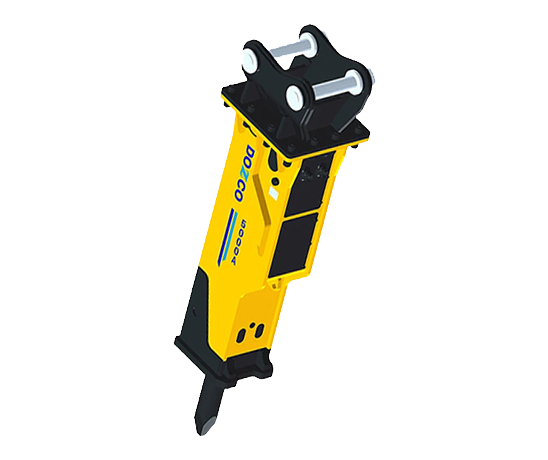
An excavator jack hammer, also known as a hydraulic breaker or rock breaker, is a heavy‑duty attachment mounted on an excavator that uses the machine’s hydraulic system to deliver powerful, rapid impacts for breaking rock, concrete, asphalt, and other hard materials.
Compared with handheld jackhammers, an excavator‑mounted jack hammer delivers much higher force, better operator protection, and faster progress on demolition, trenching, and earthworks projects.
What is an Excavator Jack Hammer?
An excavator jack hammer (or hydraulic breaker) is a ground‑breaking attachment that converts the excavator’s hydraulic energy into concentrated impact blows via a piston/striker mechanism. It is mounted on the excavator’s bucket mount and operated through the machine’s hydraulic “hammer” circuit.
In Australia, these attachments are commonly used for roadworks, demolition, trenching, mining support, and land‑clearing operations, where high‑impact, efficient breaking is required.
How an Excavator Jack Hammer Works
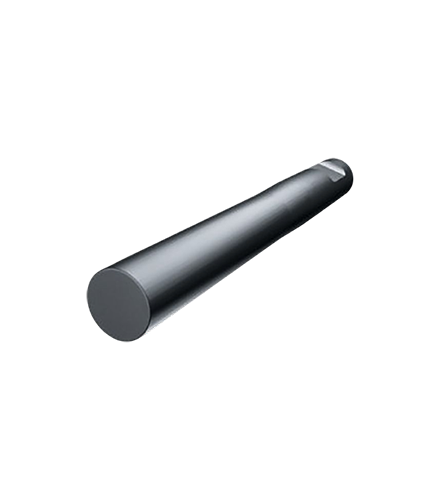
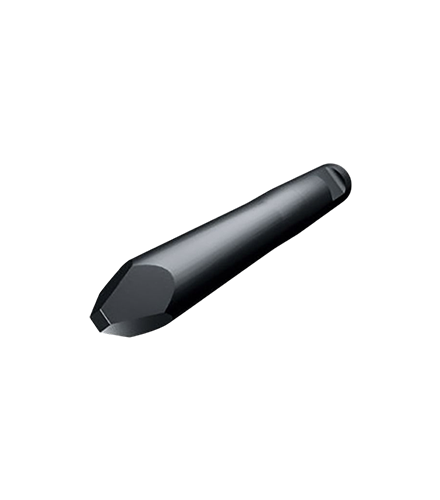
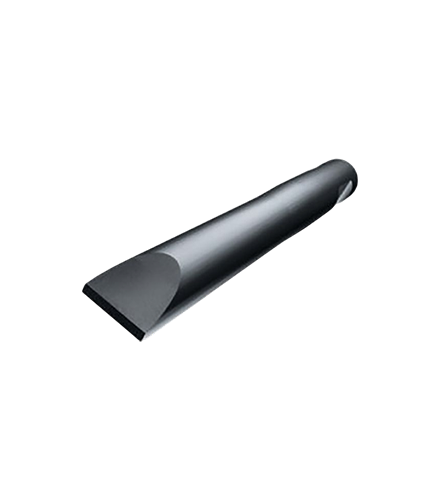
An excavator jack hammer uses the excavator’s hydraulic oil flow and pressure to drive an internal piston or striker. Each stroke delivers a powerful impact to the chisel, fracturing rock or concrete. A built‑in accumulator stores hydraulic energy to increase blow‑frequency and smooth power delivery.
Key features on DOZCO‑style breakers include:
-
BPM adjuster to optimise blow rate for the material.
-
Solid‑body construction and redesigned chisel pin for reduced wear and longer life.
-
Low‑noise, low‑vibration design and auto‑greasing option for improved operator comfort and safety.
Excavator Jack Hammer vs Hydraulic Rock Breaker vs Handheld Jackhammer
For most Australian earthworks and demolition jobs, an excavator jack hammer or hydraulic rock breaker is the best balance of power, speed, and safety.
Why Use an Excavator Jack Hammer on Site?
Increased Productivity and Efficiency
An excavator jack hammer breaks rock and concrete significantly faster than manual labour or small handheld tools, accelerating project timelines and reducing operational costs.
Improved Operator Safety and Comfort
Operators remain inside the excavator cab, protected from vibration, dust, noise, and flying debris. DOZCO breakers add low‑vibration design and auto‑greasing options to further reduce fatigue and long‑term wear‑and‑tear.
Versatility Across Machine Sizes
DOZCO rock breakers are offered in multiple size classes, from mini‑excavators (1–3 tonne) up to heavy machines (30–100 tonne), making them suitable for a wide range of Australian construction, mining, and civil‑engineering projects.
DOZCO Excavator Jack Hammers: Range and Quotes
Tell us your excavator size and job type, and we’ll recommend the ideal hydraulic breaker for you.
How to Choose the Right Excavator Jack Hammer
Match the Breaker to Your Excavator Size
-
Mini‑excavators (1–3 tonne): Light‑plus or light‑range breakers for small‑scale breaking and trenching.
-
Medium excavators (10–26 tonne): Medium‑range breakers for primary and secondary rock breaking.
-
Heavy excavators (30–100 tonne): Heavy‑range breakers for hard‑rock tunnelling and reinforced‑concrete demolition.
See every excavator hammer model in our range, from 0.5 to 60 tonne carriers.
Consider the Material You’re Breaking
-
Asphalt and light concrete: Use a lighter jack hammer with moderate BPM.
-
Hard rock and reinforced concrete: Choose a heavy‑range hydraulic breaker or excavator jack hammer with higher impact energy.
Check Hydraulic Flow and Pressure Requirements
Ensure the breaker’s flow rate (LPM) and pressure (bar/psi) are compatible with your excavator’s hammer‑mode output. Mismatched hydraulics can cause breaker damage or under‑performance.
Prioritise Noise, Vibration, and Maintenance
Look for:
-
Low‑noise, low‑vibration design suited to urban or residential‑area work.
-
Easy‑to‑service parts and local support (Australia/NZ) for fast replacement of chisels, pins, and seals.
DOZCO breakers are engineered for Australian operating conditions, with robust materials and service‑friendly designs that keep downtime low.
Common Applications of Excavator Jack Hammers in Australia
-
Roadworks and asphalt breaking – Removing old pavement and concrete slabs.
-
Demolition of buildings and foundations – Breaking reinforced concrete walls and slabs from the safety of the cab.
-
Trenching and pipe‑laying – Clearing rock from trenches in civil‑engineering and utilities projects.
-
Agricultural and land‑clearing – Breaking rock‑strewn paddocks, levees, and foundations.
-
Mining support and tunnelling – Secondary rock breaking after blasting.
DOZCO hydraulic rock breakers are built to handle the variable soil types, temperature extremes, and strict safety standards common on Australian construction sites.
Installing and Operating Your Excavator Jack Hammer Safely
Basic Installation Steps
-
Verify that the excavator’s operating weight and the breaker’s weight are compatible.
-
Connect hydraulic hoses using correct fittings (no kinks or twists).
-
Set the excavator to hammer mode without return‑line pressure, as specified by the manufacturer.
-
Grease the chisel pin and mount the breaker securely in the coupler.
Safe Operating Practices
-
Always keep the breaker vertical when breaking to avoid bending the chisel.
-
Use short bursts instead of continuous hammering to reduce heat and component wear.
-
Avoid letting the breaker “idle‑run” on hard surfaces; lift it slightly between blows.
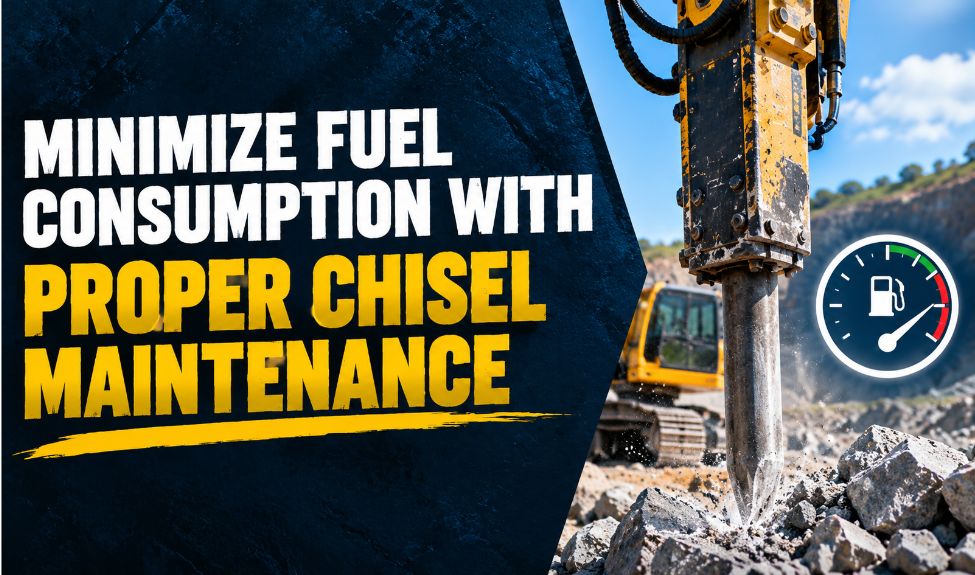
Maintaining Your Excavator Jack Hammer to Extend Life
Daily and Routine Checks
-
Inspect hoses, pins, and mounting brackets for wear, cracks, or leaks.
-
Grease the chisel pin and wear points as per the manufacturer’s schedule.
-
Check excavator hydraulic oil condition and filter status.
Periodic Service and Parts Replacement
-
Replace worn chisels, pins, and bushings before they cause internal damage.
-
Schedule periodic servicing with a local DOZCO‑approved technician to keep performance at peak levels.
DOZCO breakers are designed for long‑term durability and easy maintenance, maximising uptime on Australian job sites.
FAQs
What is an excavator jack hammer used for?
An excavator jack hammer is used to break rock, concrete, asphalt, and hard‑ground formations by delivering rapid, high‑impact blows from the excavator’s hydraulic system instead of manual labour.
Is an excavator jack hammer the same as a hydraulic breaker?
Yes. The terms excavator jack hammer, hydraulic breaker, and rock breaker refer to the same class of attachment. “Jack hammer” is simply a more colloquial construction‑site term.
Can I fit an excavator jack hammer on a mini‑excavator?
Yes. DOZCO offers light‑plus and light‑range breakers specifically designed for mini‑excavators and skid‑steer loaders, making them suitable for small‑scale demolition and trenching work.
How do I reduce vibration and noise from my excavator jack hammer?
Use a solid‑body breaker with low‑vibration design, correct BPM settings, and a sharp, well‑aligned chisel. Proper operator training and regular maintenance also help minimise noise and vibration.
How long do excavator jack hammers last?
With proper match to machine size, correct hydraulic settings, and regular maintenance, DOZCO‑class rock breakers can last many years on Australian construction and mining sites.