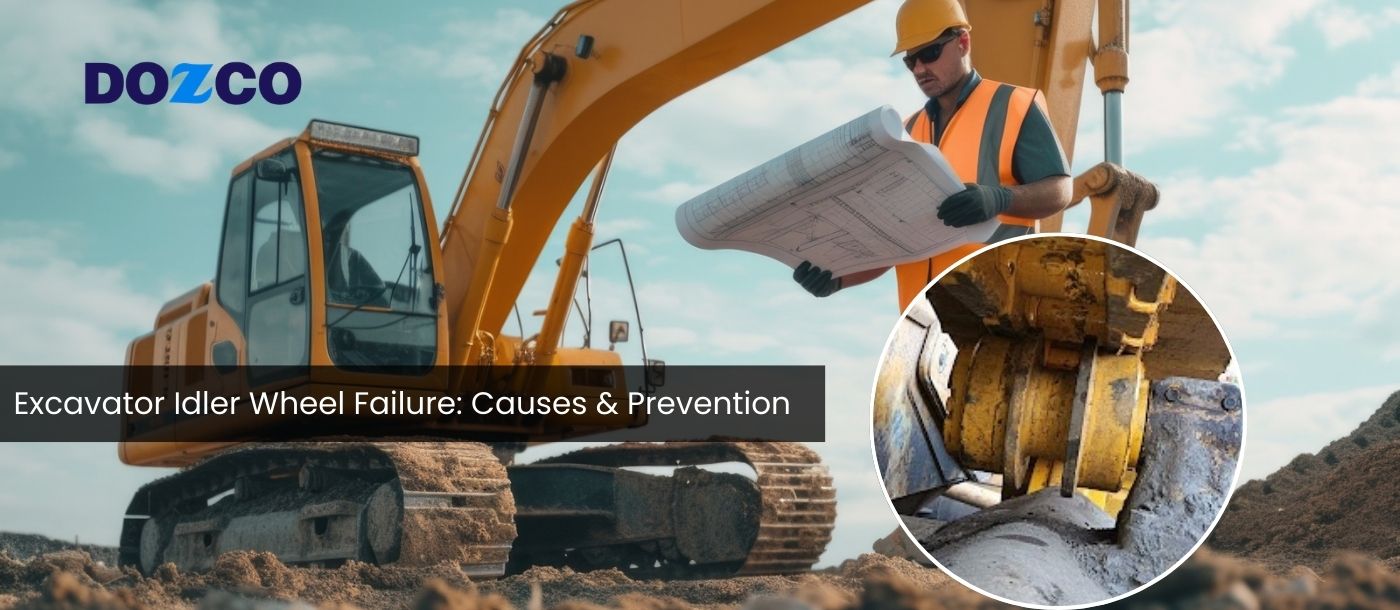
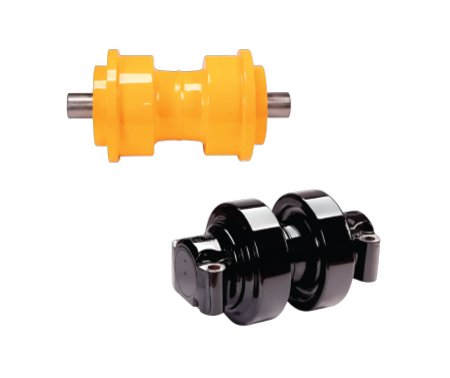

Why Excavator Idler Wheels Fail and How to Extend Their Service Life
 ">
">
- Last Modified: 27 Feb 2026
-
Priyankar Das


Excavators are well-known for their high power output. The machines are versatile and used for different tasks in rough terrains. This causes the undercarriage systems to wear down. Excavator Idler wheels, for instance, are crucial undercarriage parts. They guide the track, carry tension, and decide how the chain behaves when a machine crawls, swings, or drags itself across mixed ground.
If the undercarriage parts are not properly inspected and maintained, you’ll pay for it in cost-per-hour, downtime, and one-sided wear. In the harsh landscape of Australia, abrasive soils, silica-rich quarry work, and long tracking distances push idlers harder than many operators assume. Small habits can increase or decrease service life. The difference often shows up months later in shop bills, not in the moment.
In this article, we will discuss the role of the idler wheel, signs of wear, pattern and also the maintenance routine:
Role of Excavator Idler Wheels
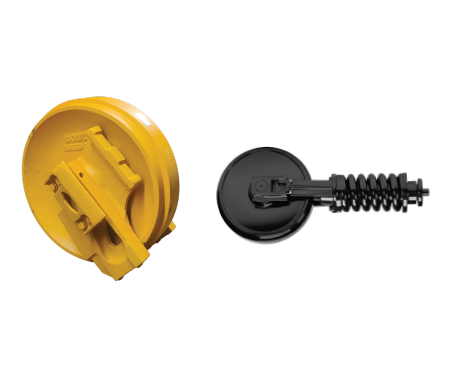
An idler guides the track chain at the front of the frame. It works with the tensioning system to keep the chain tight enough to run straight, but loose enough to flex and clear muck. The idler’s tread and flanges keep the track in line. If alignment drifts, the whole system starts to chew on itself.
Idlers also carry a surprising amount of load when excavators travel long distances, climb gradients, or reverse out of tight spots. The undercarriage parts can influence how other components, such as rollers, links, and sprockets, wear.
What Causes Wear on the Excavator Idler Wheel
Wear usually occurs due to various reasons, such as a stack of small behaviours, soil types, and machine habits.
1. Abrasive Ground & Silica
Australia has plenty of abrasive material:
- Decomposed granite,
- Silica quarry fines,
- Iron-rich soils, and
- Sharp rock.
Abrasion can sand down flanges and treads. The harder and sharper the grit, the faster the idler loses diameter.
2. Packed Material
Mud, clay, sand, and fines work their way between links, shoes, and the idler. Packing raises stress and drags on the tread. It also pushes the track off centre, which speeds up misalignment wear.
3. Over-Tight Track Tension
Track tension can heavily influence undercarriage life. Too-tight tracks cause heat, drag, overload, higher fuel consumption, and faster metal wear. Too loose leads to whipping, slapping, and side contact. Both kill idlers early. Many operators tighten “just to be safe.” But it’s not exactly safe for the wallet.
4. High Tracking Speeds
Excavators are designed for high power, not high speed. Fast tracking raises heat and contact pressure at the idler, especially on abrasive surfaces. Long travel across a quarry or yard can shave hours off life.
5. Reverse Travel
Reverse drags the chain differently across the idler and rollers. Frequent reverse cycles raise wear rates, particularly on flanges.
6. Sharp Turning & One-Side Favouring
When working in a jobsite, machines often swing in the same direction all day. It can build uneven wear across the undercarriage. Side-loading shows up on idler flanges first, then on rollers and bushings. Sharp turns in cramped sites make it worse.
7. Misalignment in the Frame
If an excavator has bent frames, worn mounting points, or slack hardware, it can shift load sideways. However, this causes uneven flange wear on the excavator idler wheels.
8. Shock Loading & Impacts
Rocky ground throws hard hits through the system. Flanges crack. Treads chip. The idler keeps turning until the cracks run out of room.
Signs & Wear Patterns Worth Tracking
Idlers don’t usually fail suddenly. You just need to know where to look.
Tread Wear (Diameter Loss)
This is the most obvious metric. Once the diameter shrinks past service limits, the idler can’t guide correctly.
Flange Wear (Inner or Outer)
Flanges protect against derailment. If one side burns down faster, alignment or turning habits are usually involved.
Flange Top Marks
When flanges contact the link bushings, shiny marks or feathered edges appear. This accelerates chain wear.
Cracking
Cracks show up once wear exceeds the thickness or when repeated shock loads beat up the metal.
Heat & Oil Leaks
Hot bearings or oily tracks near the idler hub point indicate seal issues or lubrication failure.
Uneven Wear Across the Machine
Undercarriage parts don’t wear symmetrically. If you check both the left and right sides, you will be able to tell the patterns.
How to Increase Idler Life
Extending the lifespan of an excavator idler wheel doesn’t have any secret hacks. It’s more about following disciplined habits.
1. Keep It Clean
Clean the packed material at the end of shifts, during refuelling, or after rain. Packed clay can impact productivity and also rust in wet seasons.
2. Set Track Tension Right
Follow the OEM spec to make sure the tension is right. A small over-tension builds heat and drag all day long.
3. Don’t Drag the Machine Everywhere
Plan travel paths. Use the truck when it saves tracking. Long travel distances can damage the undercarriage parts.
4. Control Reverse Work
Sometimes it is essential to reverse. However, if it is too often, then it causes excessive strain on the entire excavator undercarriage parts. So, avoid it when possible.
5. Avoid One-Sided Swing Habits
Swap sides if the job allows. Uneven swing kills one side of the UC faster.
6. Shoe Width & Ground Match
Wide shoes float in soft ground. In abrasive or rocky work, they load the idler harder. Narrower shoes often wear better in quarries.
7. Operator Training
Small operator habits add up. A five-minute brief can shave thousands off repairs.
Inspection & Measurement of Idlers
Inspection might be time-consuming, but it saves in the long-run. Here are a few basic checks:
- Measure idler diameter.
- Check flanges for height and uniformity.
- Keep note of cracks, heat marks, dents, or edge feathering.
- Spin the idler during maintenance and watch for wobble or binding.
- Check track tension while the machine sits on flat ground.
- Write it down. The undercarriage doesn’t care about memory.
Intervals vary by fleet. But for Australian earthwork, quick daily inspections, weekly tension checks, and monthly measurements can help to avoid expensive downtimes.
The Cost-Per-Hour Conversation
Undercarriage is one of the biggest cost drivers in excavator ownership. When idlers wear out early, they rarely go alone. Chains, rollers, and sometimes sprockets follow. A neglected idler eats dollars down the line.
Stretching the idler life doesn’t just delay replacement. It slows the pattern of wear, so you can plan accordingly. And that’s how you can cut cost-per-hour.
What We See at DOZCO
At DOZCO, we build idlers for excavators working in abrasive and mixed terrain. We focus on metallurgy, heat treatment, and sealing because those three factors decide how an idler holds up in silica-rich ground and long-hour work.
Matching the right idler to the right setup also matters. Shoe width, chain type, and site conditions all shift the load up front. Quarries, pipelines, civil works, demolition, and rental fleets place very different stresses on the undercarriage. Our support teams often help match components for those differences.
If you’re sourcing idlers, sharing the machine model, shoe width, ground profile, and expected hours helps. It narrows the options, avoids delay, and usually improves life-cycle performance.
Many fleets run idlers until they fail. It’s understandable, but expensive. A smarter approach is to change them when:
- Tread reaches service limits.
- Cracks spread or flanges start clipping links.
- Seals fail or oil leaks onto the chain.
- Uneven wear spreads through the system.
Pushing past those points drags down rollers and chains. That means downtime, extra parts, and a bigger bill at the end.
Final Thoughts
You can tell a lot about a fleet by looking at its idlers. If they’re cracked, worn to the bone, and caked in clay, the rest of the undercarriage probably sings the same tune. If they’re clean, measured, and replaced on time, cost-per-hour usually looks healthy. So, plan accordingly when it comes to maintenance and replacement of excavator idler wheels and save in the long run.
FAQs
What does an idler wheel do on an excavator?
It guides the track, holds tension, and keeps the chain running straight during travel and swing.
Why do idler wheels wear out?
Abrasive ground, packing, tight tension, sharp turns, and reverse travel slowly grind the metal down.
How do I know an idler is wearing?
Check diameter loss, flange wear, heat marks, cracking, and oil leaks around the hub.
Does track tension affect idler life?
Yes. Too tight raises heat and stress; too loose causes side wear and misalignment issues.
What ground conditions hurt idlers the most?
Silica-rich quarry fines, clay packing, and sharp rocky terrain wear flanges and treads faster.
When should an idler be replaced?
Replace when the diameter hits service limits, cracks form, or seals leak oil onto the track.
Can operator habits extend idler life?
Absolutely. Clean the undercarriage, avoid high-speed tracking, swap swing sides, and set tension right.
Popular Tags:
No tags for this postCategories
- All (17)
- Excavator Hammer (1)
- Excavator Spare Part (1)
- Idler Wheel (3)
- Rock Breakers (5)
- Track Link Assembly (2)
- Undercarriage (4)