
What is a Track Link Assembly and Why is it Important in Crawler Machines?
 ">
">
- Last Modified: 09 Feb 2026
-
Priyankar Das


Many heavy-duty machines, like dozers or excavators, utilize crawlers or tracks instead of wheels as an undercarriage. Since they work in sectors like mining, agriculture, and construction, where the environment can be challenging, the tracks add stability to the machine, helping to avoid accidents in the work zone.
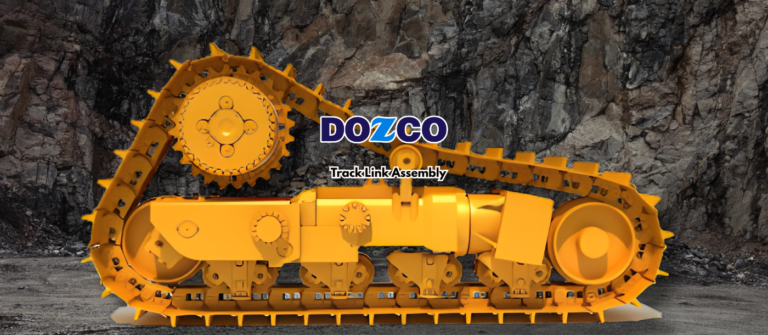
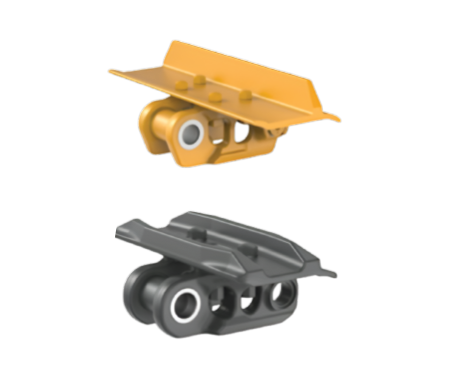
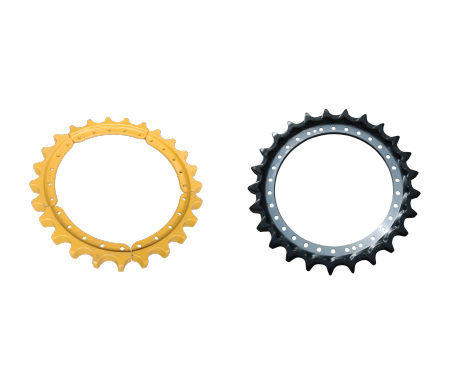
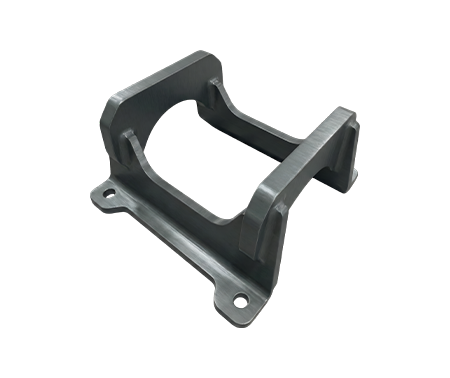
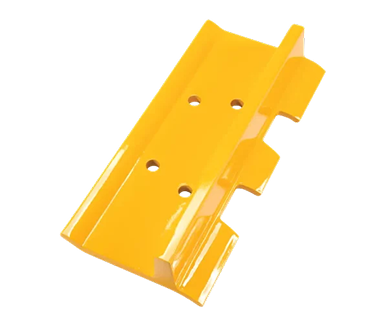
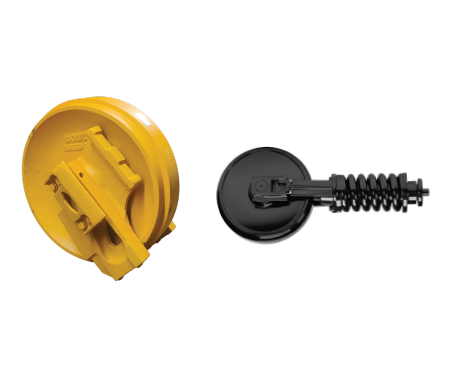
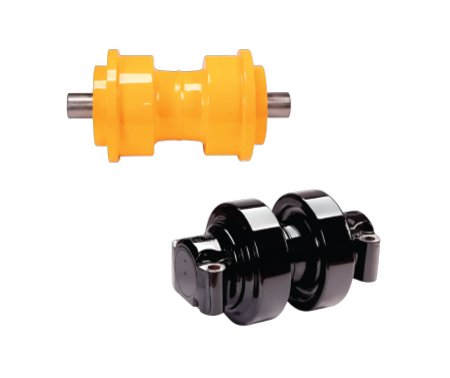
These undercarriages are made of various parts, such as track link assembly, sprockets and segments, track guards, track shoes, idlers, and rollers. This article explores undercarriage parts: track link assemblies, the various types available, their importance, how they are manufactured, and maintenance.
What is a Track Link Assembly?
A track link assembly is a critical undercarriage component of crawler machines such as dozers and excavators. It consists of track links, pins, bushings, and seals that work together to form a track chain. The track link assemblies play a major role in a heavy-duty machine for:
- Even weight distribution,
- Optimal traction, and
- Efficient operation on challenging terrains.
Types of Track Link Assemblies
Track link assemblies can be categorized into three types:
1. Sealed and Lubricated Track Chain (SALT)
SALT chains are one of the most widely used assemblies in heavy machinery like dozers. These track links are counter-bored so that the seals made of polyurethane and rubber can sit securely inside the link without protruding. This helps with maintaining lubrication and reducing contamination when working in muddy fields or other tricky terrains.
Key benefits:
- SALT chains add up to 50% longer bushing life compared to sealed (non-lubricated) chains.
- They reduce machine noise and improve fuel efficiency.
- The undercarriage parts can be rebuilt for extended service life.
2. SALT with Positive Pin Retention (PPR)
These are designed for extreme conditions, especially mining applications. The chain incorporates a metal PPR ring pressed into a groove between the pin and link, then mechanically deformed to lock the pin.
Advantages:
There are multiple advantages of SALT with PPR, including
- Reducing lubrication loss and pin movement,
- Enhancing joint sealing even when end-play exceeds normal seal capacity,
- Minimizing link outward movement, and
- Improving overall reliability.
3. Monoblock Track Chains
Monoblock track chains are used for machines above 200 tons, where standard chains cannot meet performance demands. These chains have reinforced track link design with a robust cast steel track shoe in a single unit.
Special features:
- Mass heat-treated cast steel for structural durability.
- Induction-hardened roller path, guiding tooth, and pin joint areas for maximum wear resistance.
Track Links and Their Production Process
A track link is the structural element that connects with pins and bushings to form the chain. It is engineered to handle immense bending and twisting forces while resisting wear.
Production steps:
- Forging helps to give shape to high-strength steel.
- The quenching process is done to enhance hardness and durability.
- Surface hardening assists with wear resistance.
- Stress relief reduces internal tension and provides long-term stability.
- Machining helps to achieve precise dimensions for perfect assembly.
Why is the Track Link Assembly Important in Crawler Machines?
Crawler machines are constantly exposed to rough environments. Therefore, the undercarriage parts need to be manufactured with high-quality materials. Here are a few perks of choosing the right track link assemblies:
- Durability and Longevity: The undercarriage parts reduce internal wear and extend component life.
- Performance: They play a major role in maintaining smooth operation, reducing machine vibration, and improving fuel consumption.
- Adaptability: Specialized assemblies like PPR and Monoblock cater to extreme environments, from construction to mining.
- Serviceability: Many track link assemblies have features such as rebuildable chains and measurable wear indicators, which make maintenance easier.
Wear Measurement and Maintenance
Since the undercarriage parts are used for demanding jobs like mining or construction, regular maintenance is essential to maintain track chain performance. Here are a few steps to follow:
- Always clean the link surfaces thoroughly before using a depth gauge.
- Measure from the link rail surface to the track shoe plate at multiple points to calculate an average.
- Record measurements regularly to track wear progression and schedule maintenance.
Wrap up
The undercarriage system of a crawler machine helps it move forward while also maintaining stability. This is made of various undercarriage parts, each playing a different role in the machine. The track link assembles one such part that improves the heavy machinery performance, improving its lifespan and reducing breakdowns. However, you need to choose track links made of high-quality materials. DOZCO is a leading manufacturer of undercarriage parts manufactured with special heat treatments for maximum performance and longer wear life.
FAQs
1. What is a track link assembly in crawler machines?
A track link assembly is a key undercarriage component that connects track links, pins, bushings, and seals to form the track chain. It helps with even weight distribution, optimal traction, and efficient movement of crawler machines such as dozers and excavators.
2. Why is the track link assembly important for heavy-duty equipment?
It improves stability on uneven terrains, reduces vibration, enhances fuel efficiency, and increases the overall lifespan of the machine by minimizing wear and tear.
3. How do I measure wear in track link assemblies?
First, you need to clean the link surfaces, then use a depth gauge to measure from the rail to the shoe plate at multiple points, and track readings over time to schedule timely maintenance.
4. How to extend track link life?
Regular cleaning, accurate wear measurements, proper lubrication, and timely replacement of worn components help maximize performance and longevity.
Popular Tags:
No tags for this postCategories
- All (17)
- Excavator Hammer (1)
- Excavator Spare Part (1)
- Idler Wheel (3)
- Rock Breakers (5)
- Track Link Assembly (2)
- Undercarriage (4)