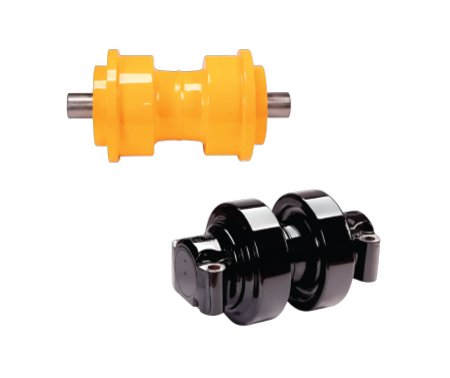


What Are Track Guards? Purpose, Types, and Benefits of Heavy Equipment
 ">
">
- Last Modified: 01 Apr 2026
-
Priyankar Das


Heavy equipment works in rough ground conditions. They move through rock fragments, sticky clay, demolition debris, wet soil, and uneven ground. Therefore, the undercarriage of the machine is constantly under stress, which can lead to wear and tear.
Track guard is a crucial undercarriage that plays a crucial role in preventing premature wear. These components are not to add horsepower or digging force, but to control wear patterns and reduce downtime in harsh operating conditions.
In this blog, we will discuss what track guards are, why they matter, the different types available, and the benefits they bring to heavy equipment operations.
What Are Track Guards?
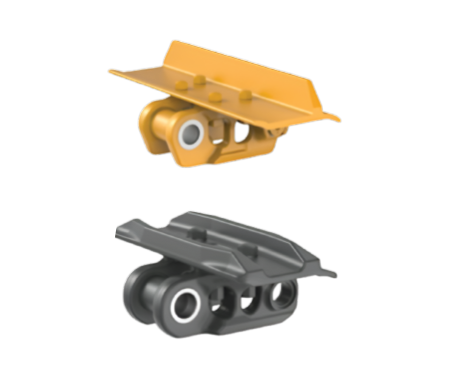
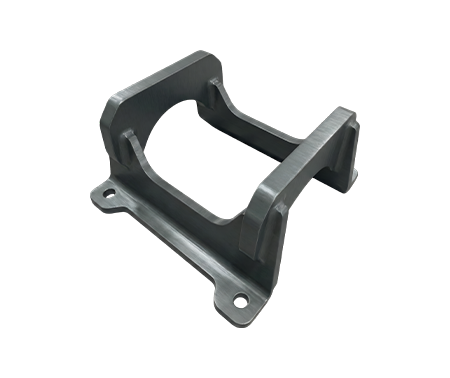
Track guards are protective undercarriage parts. They are installed along the sides of a machine’s track frame. These components don’t carry the machine’s load. Instead, they act as a barrier to prevent elements from entering, such as:
- Rocks,
- Broken concrete,
- Mud,
- Clay and other debris.
As these materials can speed up wear. Even a premium undercarriage can wear prematurely if track guards are missing or underspecified.
The Purpose of Track Guards in Heavy Equipment
For heavy equipment like excavators and dozers, track guards help with:
Protecting the undercarriage components
As we already mentioned, the core purpose of track guards protecting the undercarriage components. Since the machines usually overheat in grounds with loose materials, if there is no barrier, this debris gets pulled into rollers, wedged between links, or forced against seals and flanges.
This can lead to:
- Oil loss,
- Overheating, and
- Early failure.
By acting as a physical shield, track guards reduce direct impact and contamination, improving component life and reliability.
Material packing
When working in clay-heavy soil, wet ground, snow, or demolition sites, debris can accumulate rapidly. Packed material increases
- Rolling resistance,
- Accelerates wear, and
- Misalignment (in extreme cases).
Controlling Track Alignment
During side-hill operations, operators often take sharp turns. The machines also need to push on slopes. Hence, the track chain experiences lateral forces. Track guards guide the chain, which reduces the chances of it walking off-center.
Types of Track Guards Used in Heavy Equipment
The concept of one size fits all doesn’t apply to track guards. The types usually vary depending on the match machine size, terrain, and usage severity. For instance:
Center track guards
These are mounted between the lower rollers. The track guards are responsible for protecting the central portion of the track chain. They prevent rocks and debris from lodging between rollers and links in rocky or abrasive environments. These guards are widely used on both dozers and excavators operating in high-impact terrain.
Full track guards
These types of track guards can be used for almost all track frames. They are usually made of the heaviest materials. Full guards are common in mining, quarrying, and severe demolition work. However, when working in sticky soil conditions, they may require more frequent cleaning.
Segment track guards
They are more niche and used in construction or mixed-terrain applications. They are usually positioned in the middle roller, not the entire system, and reduce side-to-side scuffing.
Benefits of Track Guards in Heavy Equipment Operations
Fleet managers spend a large portion of their operational budget on undercarriage maintenance. These systems need frequent maintenance as they are always in constant contact with the ground. Replacing the undercarriage components can also be quite expensive. Choosing the right track guards offers several advantages:
Extending undercarriage life
Track guard reduces debris-related wear on rollers, links, bushings, and seals. Hence, the undercarriage parts reach their intended service intervals. Besides, using these guards makes the wear patterns more uniform and predictable, making maintenance planning easier.
Reducing unplanned downtime
A sudden breakdown costs you time and money. In remote or production-critical sites, this becomes more challenging. Track guards help reduce unplanned downtime. They prevent:
- Seal damage,
- Derailments, and
- Abnormal wear.
Cutting Down Cost-per-hour (CPH)
Every fleet owner calculates cost-per-hour. This is essential to improve task efficiency. When a machine suddenly stops working, it impacts CPH. Track guards reduce replacement frequency and labor expenses over the equipment’s life.
Improving Control
Since track guards help with track alignment, they also offer better control. Machines that track correctly and roll smoothly are easier to control, particularly on slopes or during precision work. Operators may not always notice track guards directly, but they benefit from the stability they provide.
Track Guards and Maintenance Considerations
Track guards are crucial components for preventing damage caused by debris. However, regular inspection still remains important. Guards themselves can wear, crack, or deform if they are constantly exposed to impact.
If you are using bolt-on systems, then look for loose or damaged fasteners. For weld-on guards, regular inspection is essential to check structural integrity.
Cleaning the undercarriage is also equally important, especially in clay or snow-heavy conditions. Track guards reduce packing, but it might not be possible to avoid it entirely. Washing down the undercarriage after a certain interval spending on usage helps prevent excessive buildup. This also reduces the load on the track guards.
Conclusion
Track guards may seem like a minor addition to a heavy machine, but they are essential to improve the longevity of a machine. These undercarriage parts control debris flow, help with track alignment, and protect critical components. On harsh worksites, these components support uptime, reliability, and cost control.
FAQs
What are track guards for?
Track guards are undercarriage components. They block rocks, mud, and debris from entering rollers, links, and seals, reducing wear and preventing premature failures.
What are the advantages of track guard?
Track guards help to extend undercarriage life. They reduce unplanned downtime, improve track alignment, and lower cost-per-hour.
Are the track pad and track guard the same for excavators?
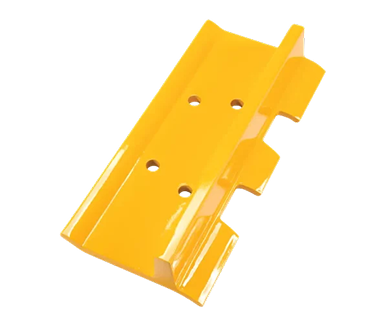
No. Track pads provide traction and ground contact, while track guards protect undercarriage components by preventing debris intrusion and controlling wear patterns.
Do track guards carry machine load?
No. Track guards do not support machine weight. They act only as protective barriers to control debris flow and safeguard undercarriage parts.
Are full track guards suitable for all conditions?
Full track guards suit severe applications like mining and demolition. However, in sticky soil, they may require frequent cleaning to prevent material buildup.
Popular Tags:
No tags for this postCategories
- All (21)
- Excavator Hammer (1)
- Excavator Spare Part (1)
- Hydraulic Rock Breaker (1)
- Idler Wheel (3)
- Rock Breakers (6)
- Track Guards (1)
- Track Link Assembly (2)
- Undercarriage (5)