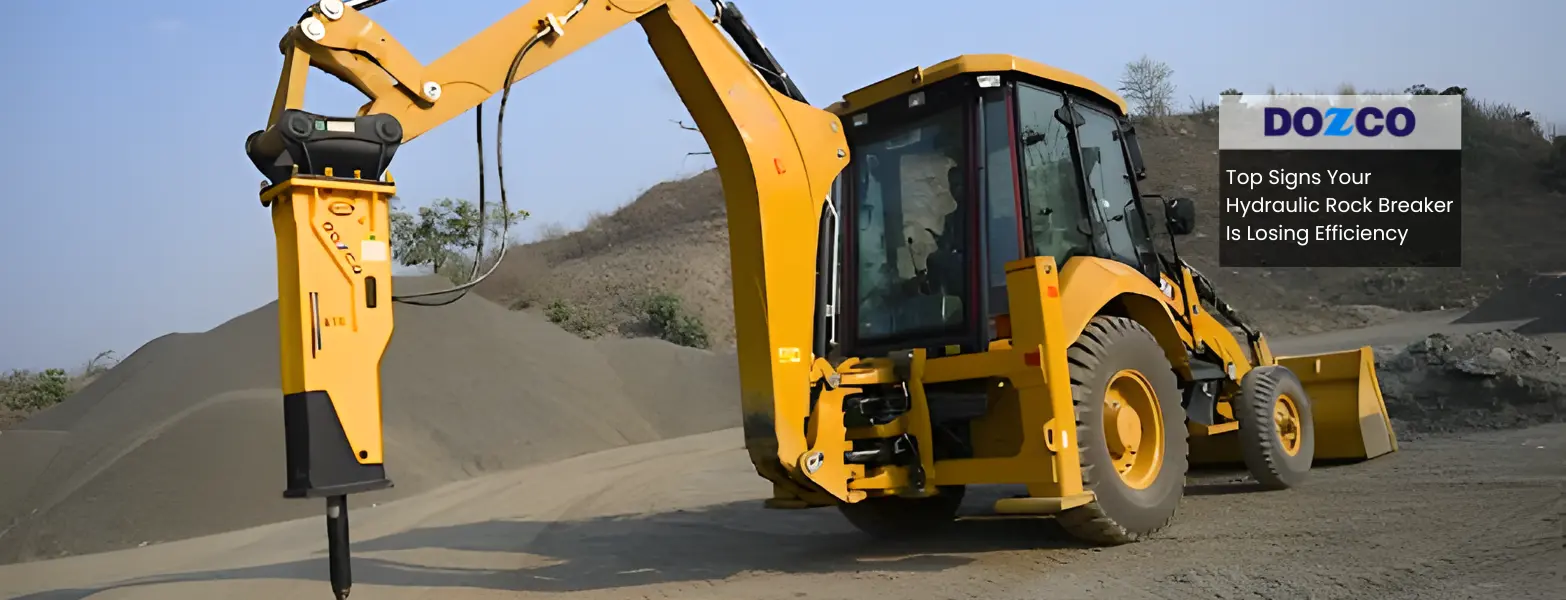
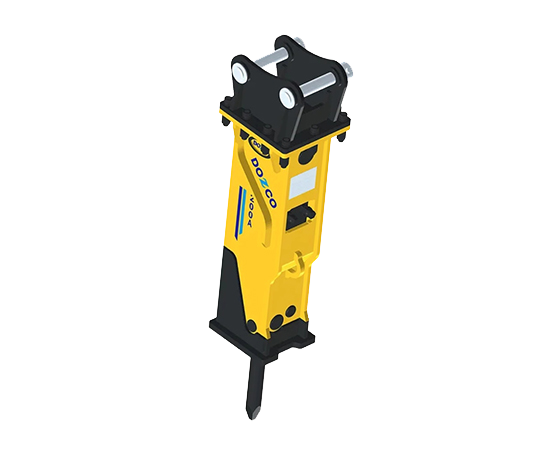
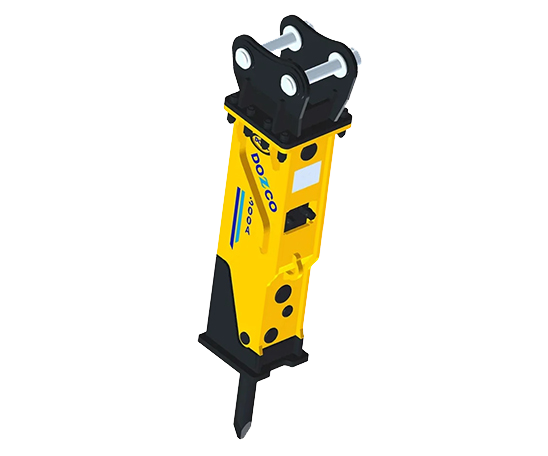
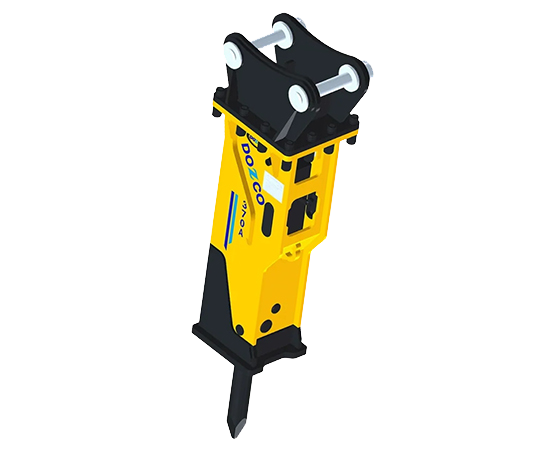
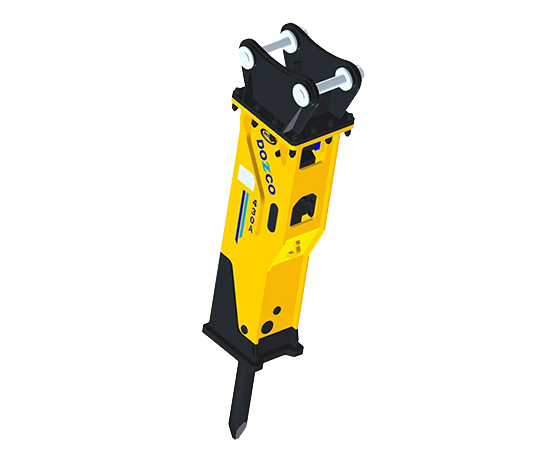
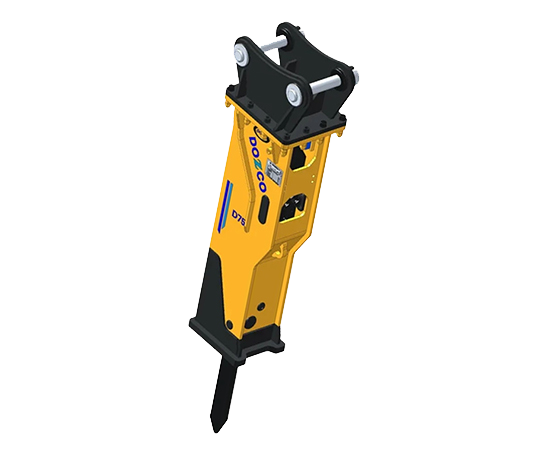
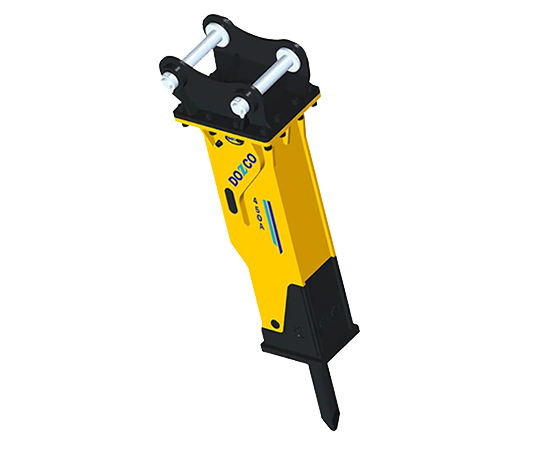
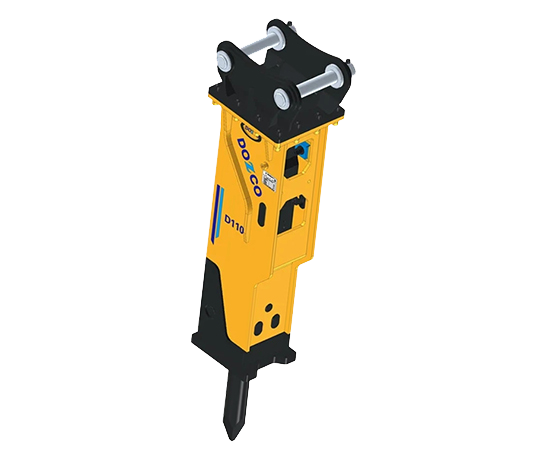
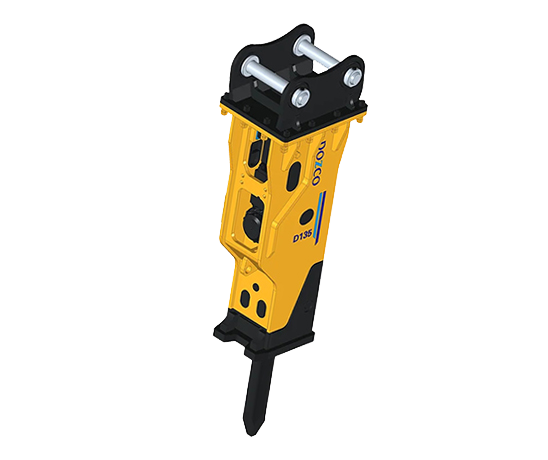


Top Signs Your Hydraulic Rock Breaker Is Losing Efficiency
 ">
">
- Last Modified: 23 Mar 2026
-
Priyankar Das


Hydraulic rock breakers offer consistent impact energy, day after day. Even in tough working conditions, these attachments continue to provide consistent performance. Operators often notice the efficiency has started to reduce. It can happen due to various reasons. For instance, the daily wear and tear, improper operation, delayed maintenance. The problem is that many operators notice the drop only after serious damage or downtime occurs.
These attachments are expensive and replacing them can be quite expensive. Recognizing the early warning signs can help you prevent costly repairs. This way, the breakers deliver consistent performance over a long time.
In this blog, we will discuss the common reasons why hydraulic breakers starts to perform poorly and breakdown before maintenance schedule:
Why Hydraulic Rock Breakers lose efficiency or fail
Here are the top signs your hydraulic rock breaker is losing efficiency and what they usually indicate.
1. Reduced Breaking Speed or Output
One of the earliest and most obvious signs is slower rock breaking. If the breaker takes noticeably longer to crack material it used to handle easily, efficiency is already dropping.
This often points to:
- Incorrect hydraulic oil flow or pressure
- Low nitrogen gas pressure in the back head or accumulator
- Internal wear of piston, seals, or valve components
Reduced impact energy means more time, more fuel, and higher operating costs.
2. Increase in Blank Blows
Frequent idle or blank blows indicate that the breaker is not transferring energy effectively to the material.
Common causes include:
- Improper working angle (not maintaining 90° contact)
- Worn bushes causing tool misalignment
- Low gas pressure reducing rebound efficiency
Blank blows don’t just reduce productivity, they send damaging shock waves back into the breaker, accelerating internal wear.
3. Excessive Vibration During Operation
A breaker naturally produces vibration, but abnormal or increased vibration is a red flag.
This usually results from:
- Worn or damaged dampers
- Loose through bolts
- Excessive clearance in front cover or ring bush
Higher vibration not only affects breaker efficiency but also puts stress on the excavator boom, arm, and hydraulic system.
4. Overheating of Tool or Breaker Body
If the tool becomes extremely hot or shows signs of deformation, it’s a clear efficiency issue.
Possible reasons are:
- Continuous operation at one spot for too long
- Insufficient greasing
- Improper thrust force
Overheating reduces tool life, damages seals, and leads to energy loss with every blow.
5. Irregular or Inconsistent Blow Frequency
An efficient breaker maintains a steady blow rhythm. If the BPM (blows per minute) fluctuates or feels erratic, performance is compromised.
This may indicate:
- Hydraulic contamination
- Valve sticking or wear
- Incorrect oil pressure or flow rate
Inconsistent blows reduce penetration efficiency and increase internal stress on moving parts.
6. Unusual Noise Levels
Changes in sound, such as louder impacts, metallic knocking, or irregular hammering noise often signal internal problems.
Typical causes include:
- Loose through bolts
- Worn piston or tool
- Damaged dampening system
Ignoring unusual noise often leads to sudden breakdowns and expensive repairs.
7. Rapid Wear of Tool and Consumable Parts
If tools, rod pins, bushes, or dampers are wearing out faster than expected, efficiency is already compromised.
This happens due to:
- Improper lubrication practices
- Excessive blank firing
- Incorrect breaker-to-carrier matching
Fast wear means energy is being wasted internally instead of being transferred to the rock.
8. Frequent Hydraulic Oil Leakage
Oil leaks around hoses, seals, or breaker joints reduce system pressure and impact force.
Leaks may result from:
- Worn seals
- Overpressure conditions
- Hose vibration or incorrect installation
Even small leaks can significantly affect breaker performance over time.
9. Loss of Rebound Power
Rebound energy plays a critical role in regulating stroke length and blow frequency. If rebound weakens, efficiency drops.
Common reasons include:
- Low nitrogen pressure
- Incorrect accumulator charging
- Excessive tool or bush clearance
Without proper rebound, the breaker struggles to maintain consistent impact energy.
10. Higher Fuel Consumption with Lower Output
If fuel usage increases but productivity doesn’t, the breaker is forcing the carrier to work harder to compensate for lost efficiency.
This usually ties back to:
- Poor energy transfer
- Incorrect operating pressure
- Internal wear
This silent loss often goes unnoticed but directly impacts operating cost.
Why Early Detection Is So Important for Rock Breakers
Machines or attachments don’t usually break down suddenly. There are always signs. Sometimes operators fail to recognize them and end up paying the hefty sum on replacing or repairing. It also impacts that project pace. However, with regular inspection this can be avoided. Fleet owners can identify the issues early and replace the parts of components of the rock breakers.
Beside inspection, proper operational practice is crucial as well. Firing the attachment on the blank doesn’t just impact the attachment but also the carrier machine. Using the correct angle, when breaking a hard surface can make the process much more efficient without causing premature failure.
Final Thoughts
A well-maintained hydraulic rock breaker doesn’t just break rocks or concrete. It protects your investment. In work places with tight deadlines, these attachments improve productivity and make sure the tasks are completed in time.
FAQs
Why is the breaker hitting but taking longer to break rock?
This usually indicates low hydraulic pressure or internal wear, causing reduced impact energy and slower breaking performance.
Why does the breaker fire repeatedly without touching the rock?
Frequent blank blows happen due to improper working angle or worn bushes, which prevent effective energy transfer to the material.
The breaker vibrates more than usual during operation. Should I stop?
Yes. Excessive vibration often signals loose bolts or worn dampers and can damage both the breaker and excavator if ignored.
Why is the breaker tool getting extremely hot?
Overheating is caused by insufficient greasing or excessive continuous operation, leading to seal damage and loss of efficiency.
Why does the breaker’s blows feel uneven and inconsistent?
Irregular blow frequency often results from hydraulic oil contamination or valve wear, reducing penetration efficiency and increasing internal stress.
Why are tools and bushes wearing out faster than expected?
Rapid wear happens due to blank firing, poor lubrication, or incorrect breaker matching, causing energy loss and higher operating costs.
Popular Tags:
No tags for this postCategories
- All (19)
- Excavator Hammer (1)
- Excavator Spare Part (1)
- Hydraulic Rock Breaker (1)
- Idler Wheel (3)
- Rock Breakers (5)
- Track Link Assembly (2)
- Undercarriage (5)