
Rock Breakers in Controlled Demolition Projects
 ">
">
- Last Modified: 21 Feb 2026
-
Priyankar Das


Controlled demolition is one of the greatest innovations in the modern construction environment. Contractors no longer need to rely on force-heavy or unpredictable methods in demolition projects. They can use heavy machines and attachments like rock breakers to break down structures safely with minimal disruption. However, what is controlled demolition, and why is it so essential?
This article explores what controlled demolition means, where it is typically used, and how rock breakers support these projects:
What is Controlled Demolition?
Construction does not only involve building from the ground up. In many cases. projects start with removing the old or unsafe structures before new work can begin. However, in crowded urban environments, safety is a top priority.
Thus, contractors prefer controlled demolition. In this process, structures, such as buildings, bridges, and other infrastructure, are dismantled while managing risks to the surroundings, services, and workers.
The main objective of controlled demolition is to make sure a structure fails the way it is intended. This involves sequencing, temporary supports, and choosing methods that match site constraints. Engineers and demolition planners map out each phase, using rock breaker attachments on excavators or other equipment so that loads shift in a safe and more predictable manner.
How Controlled Demolition Differs from Conventional Methods
In conventional methods, the primary goal is usually to bring down large sections quickly. White blasting can be cheap, but it involves handling explosives. Engineers need to pre-plan and assess the site properly to manage risks. Even then, it leaves a great environmental impact.
Controlled demolition using hydraulic rock breakers, on the other hand, makes the process much safer. It involves removing the material layer by layer, checking stability, and adjusting to make sure the structure doesn’t collapse unpredictably.
Where Controlled Demolition Is Commonly Used
Controlled demolitions are mostly used in:
- Dense urban environments, as the project occurs beside active roads, utilities, and occupied buildings, require tight control over vibration, debris, and access.
- Industrial and operational facilities where one part is dismantled, while the other units are functioning.
- Redevelopment projects to avoid sudden load redistribution.
- Heritage or sensitive sites, preserving the surrounding fabric and architectural elements.
The Role of Rock Breakers in Demolition
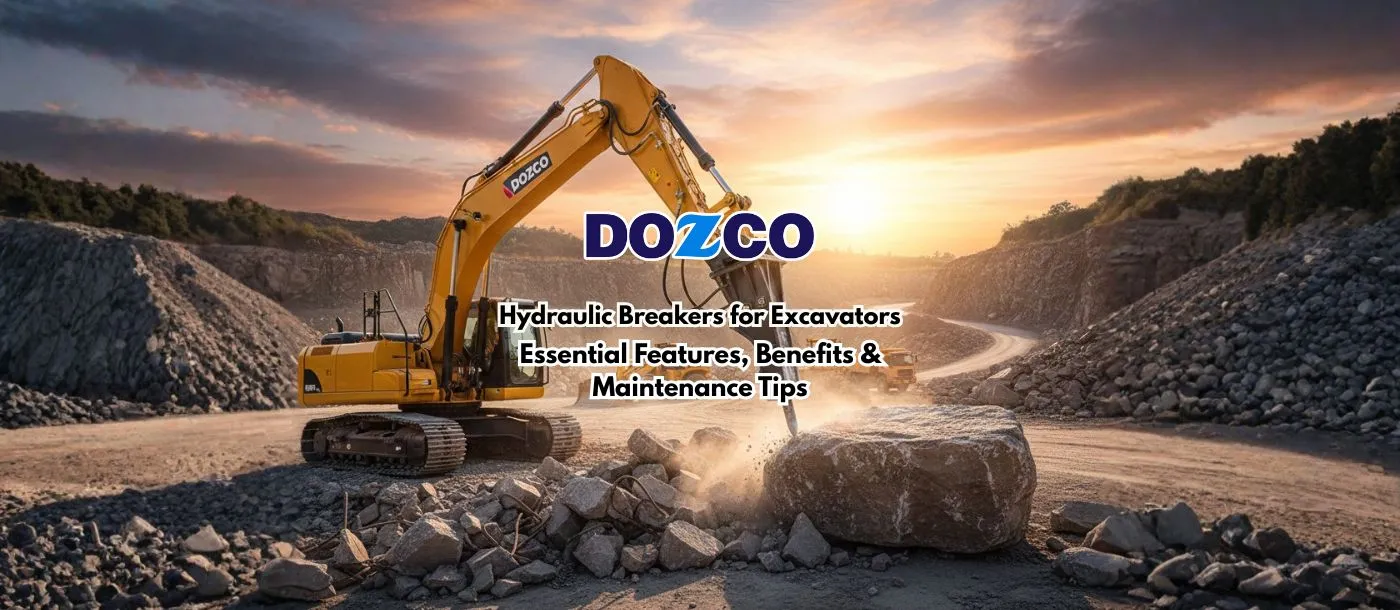
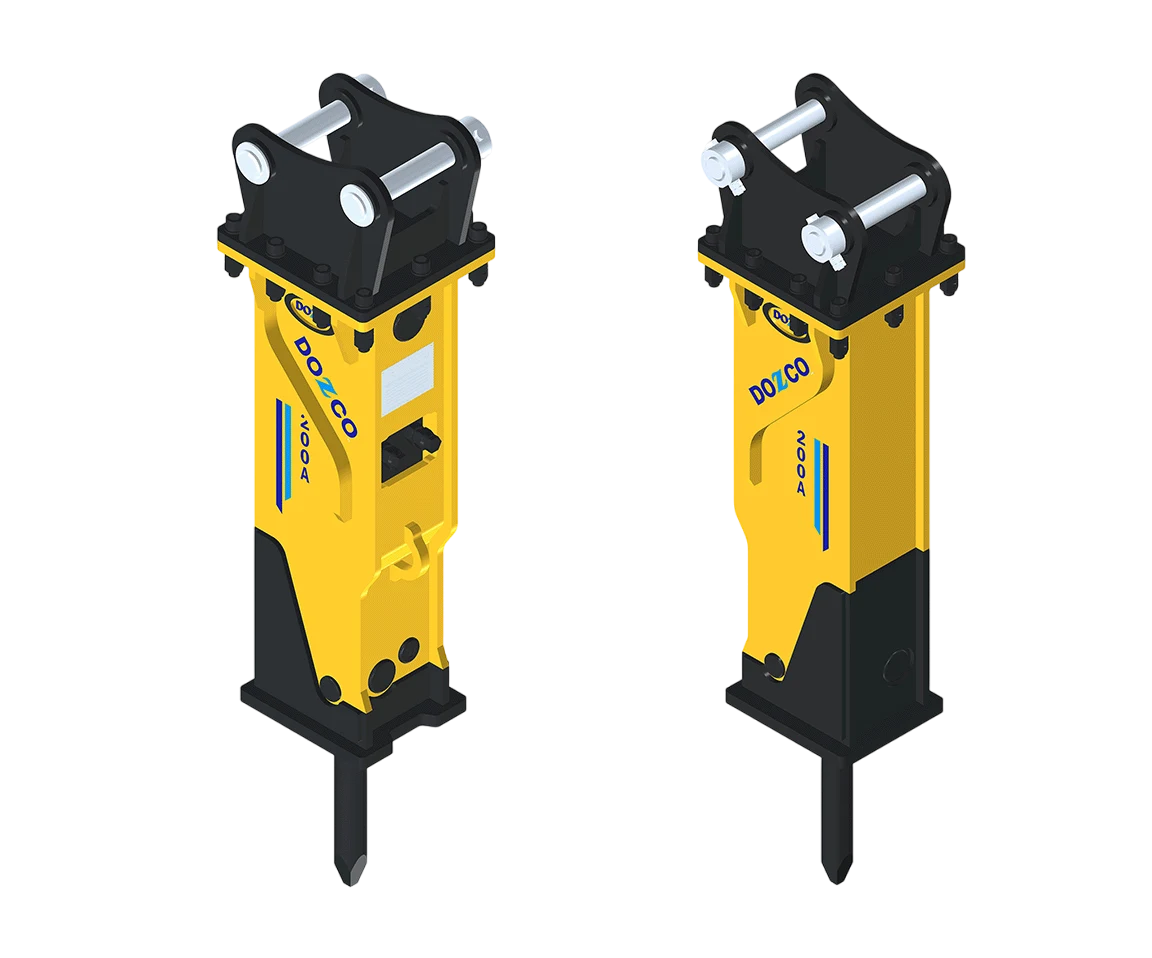
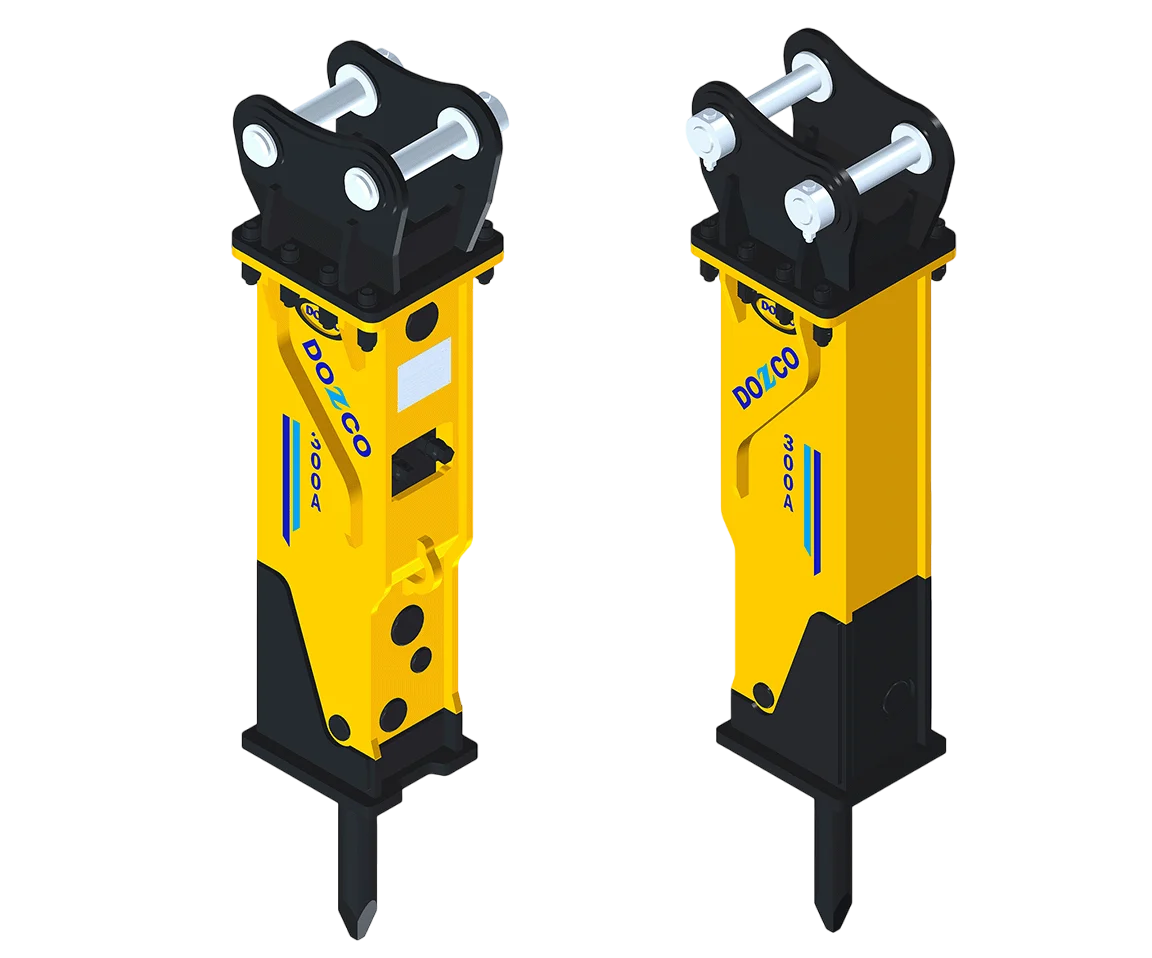
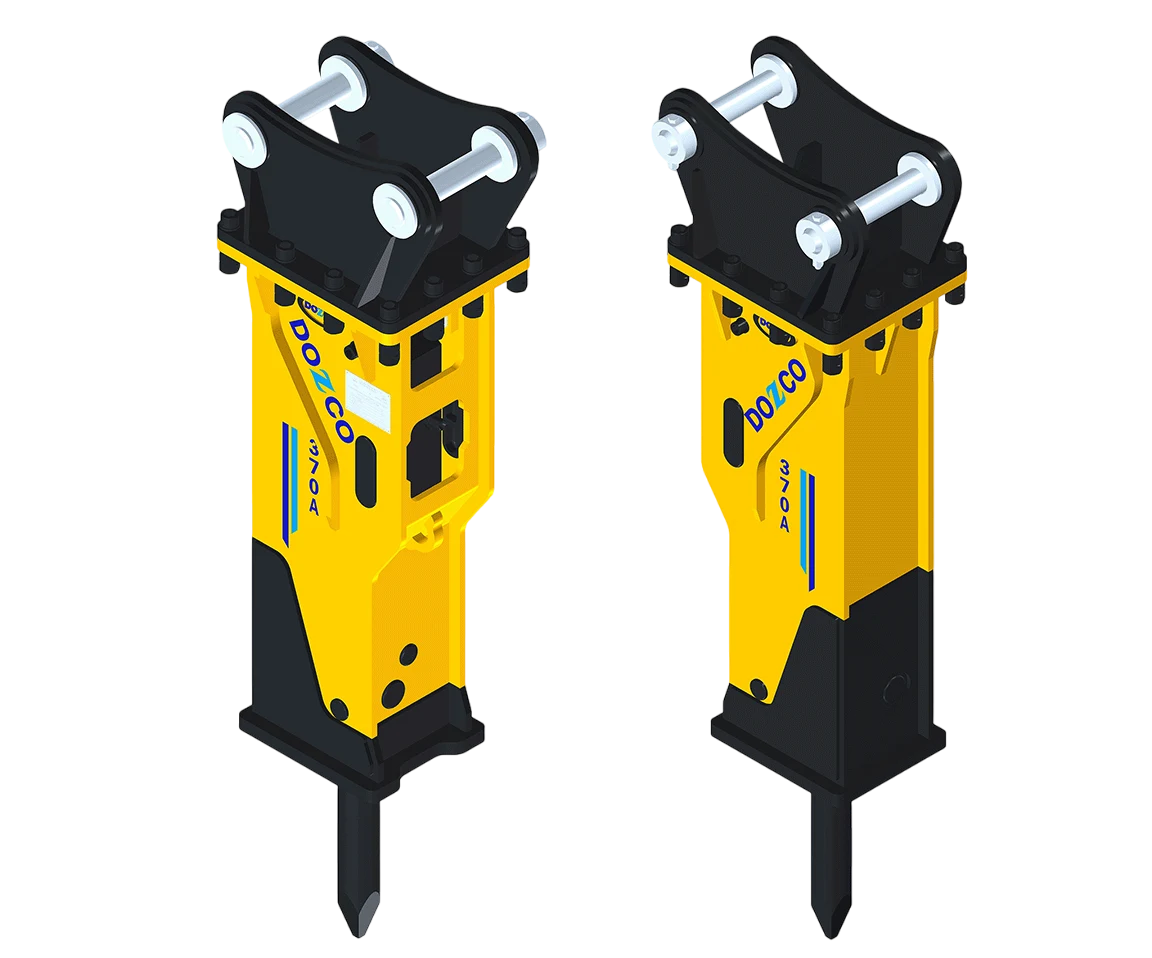
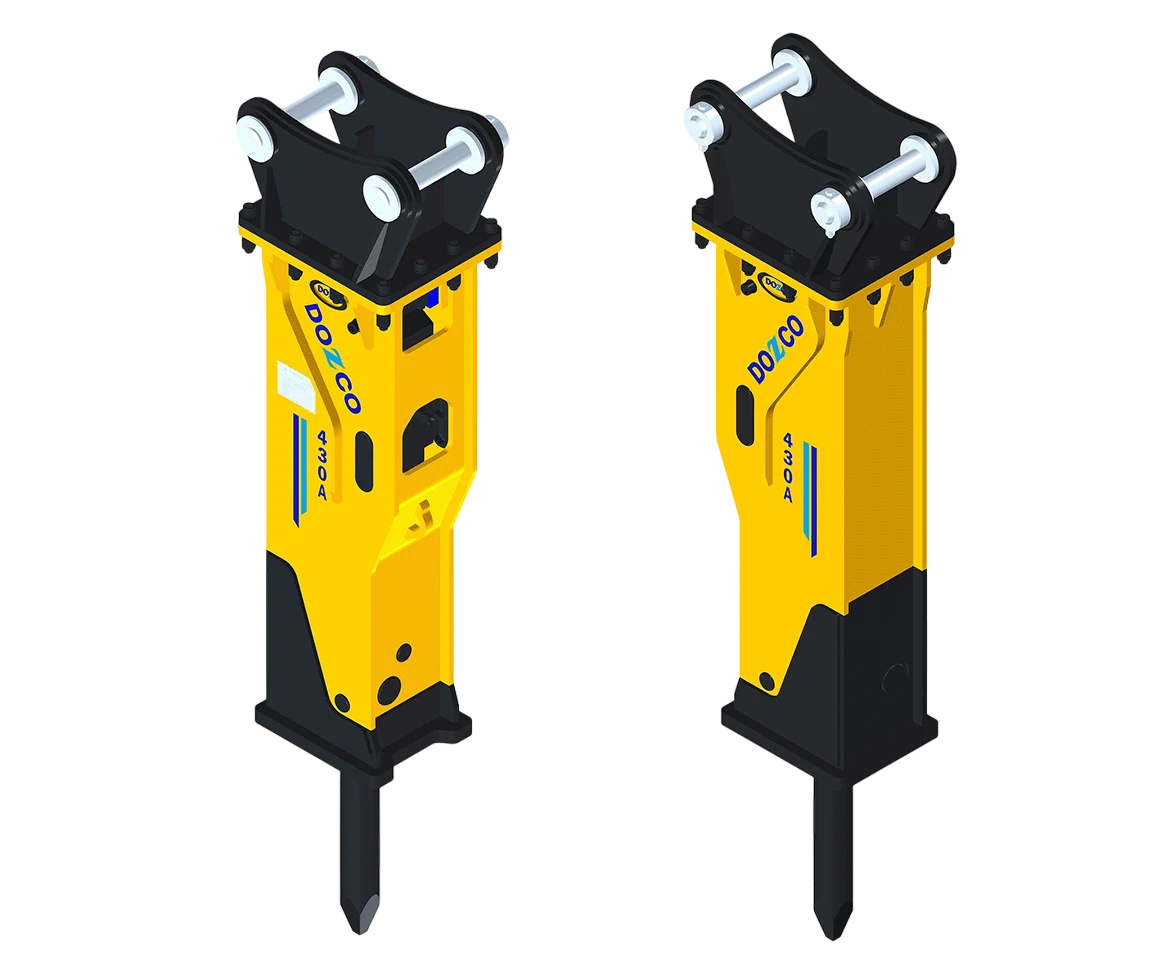
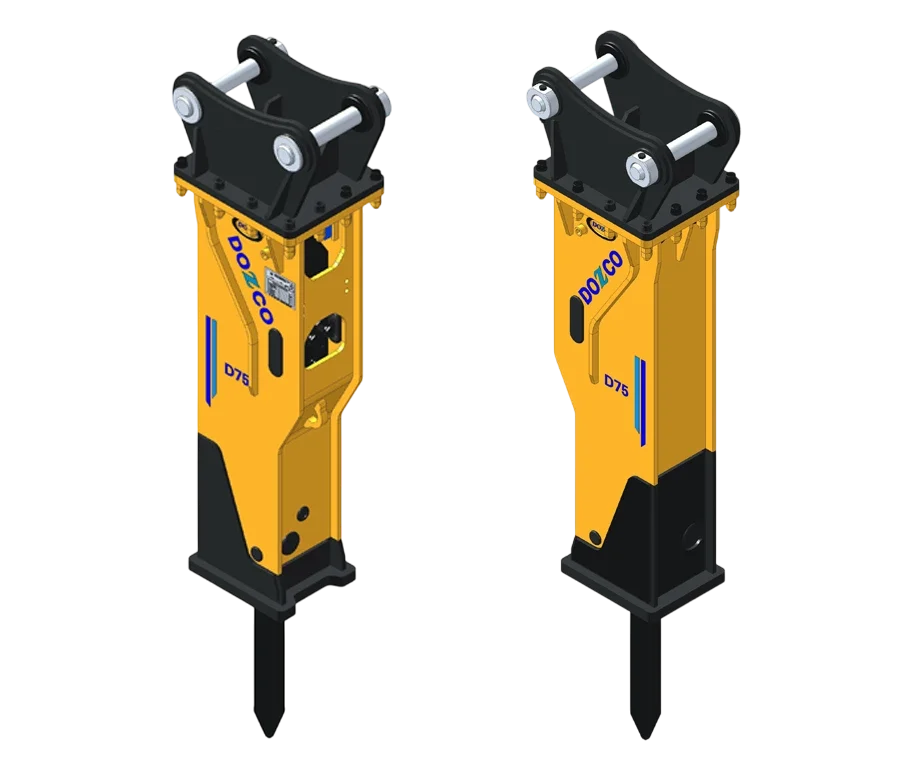
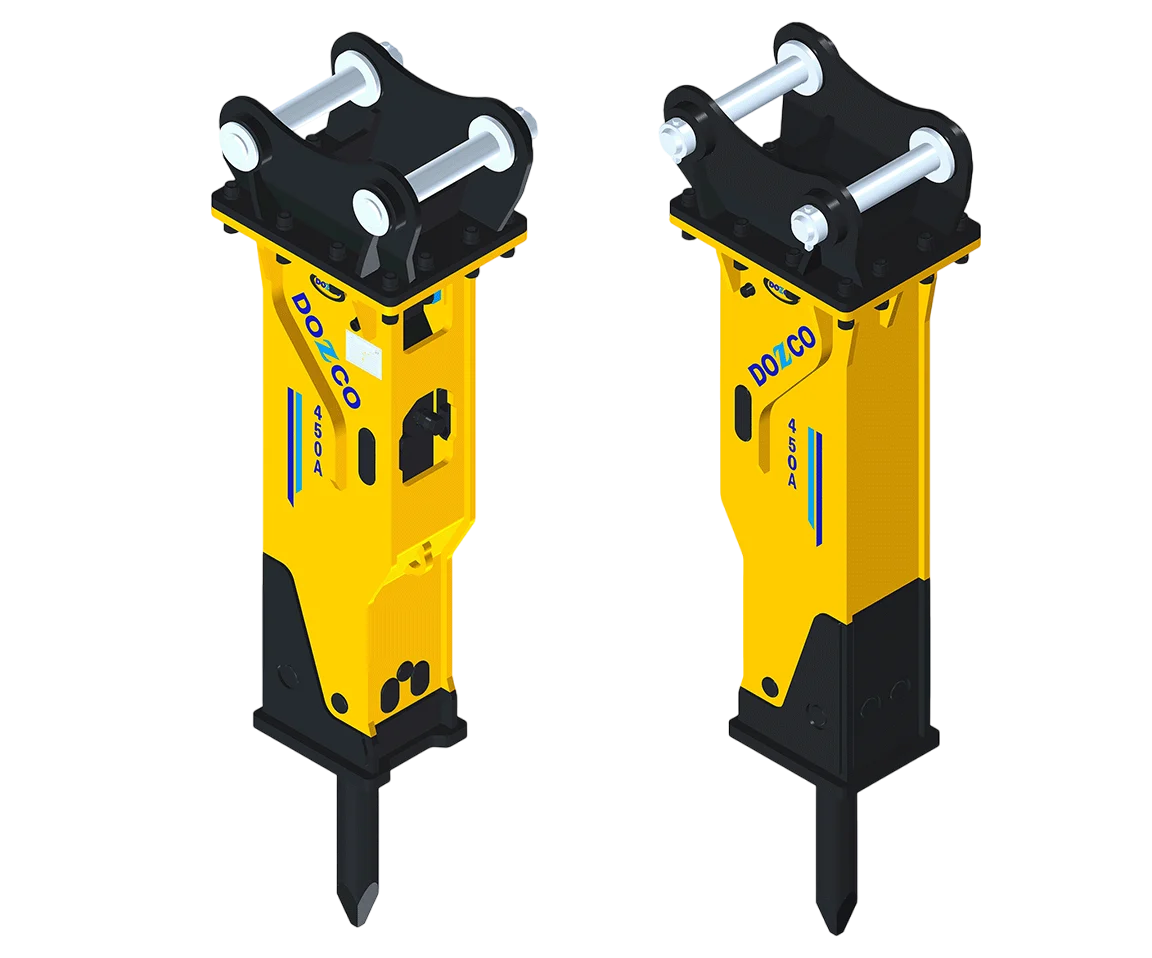
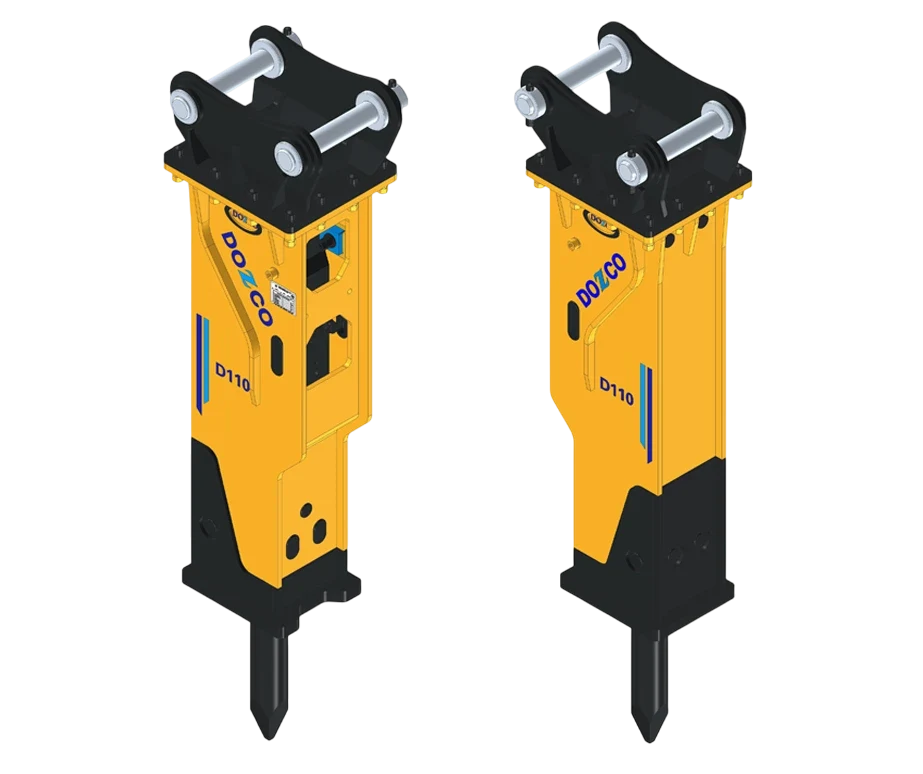
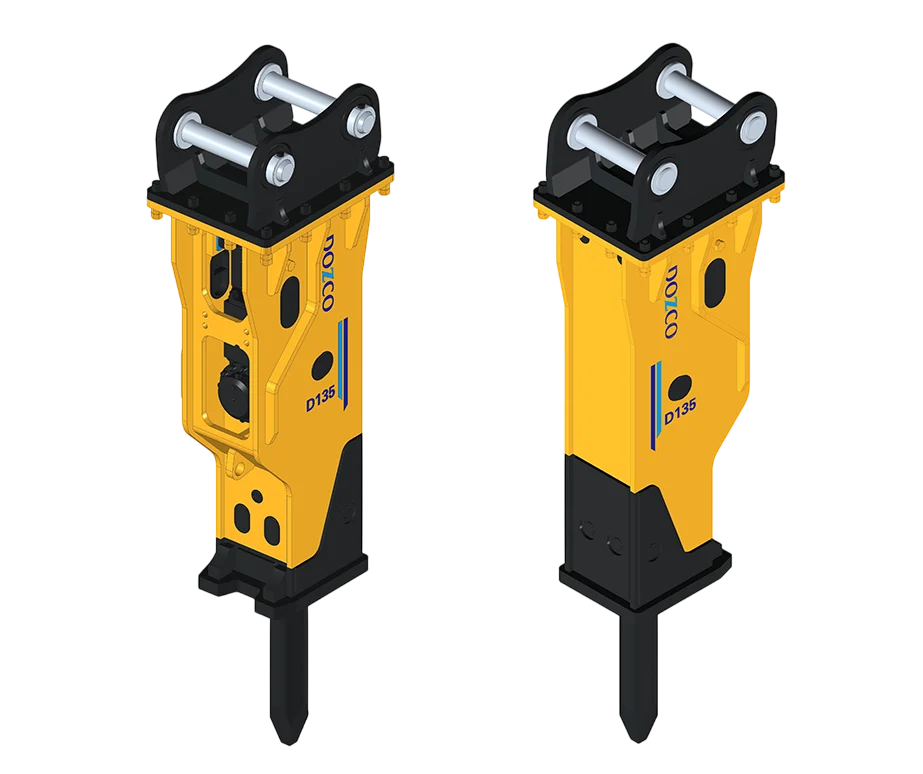
For major projects, hydraulic rock breakers are usually used. They are attached to excavators and utilize hydraulic power to deliver repeated, focused impact to fracture hard materials. These powerful attachments weaken and reduce targeted elements, so larger systems can be dismantled safely.
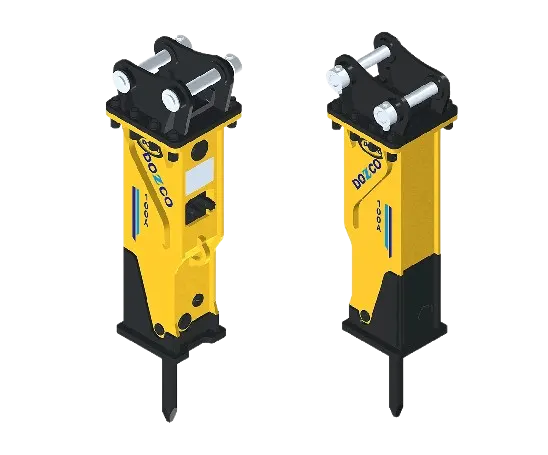
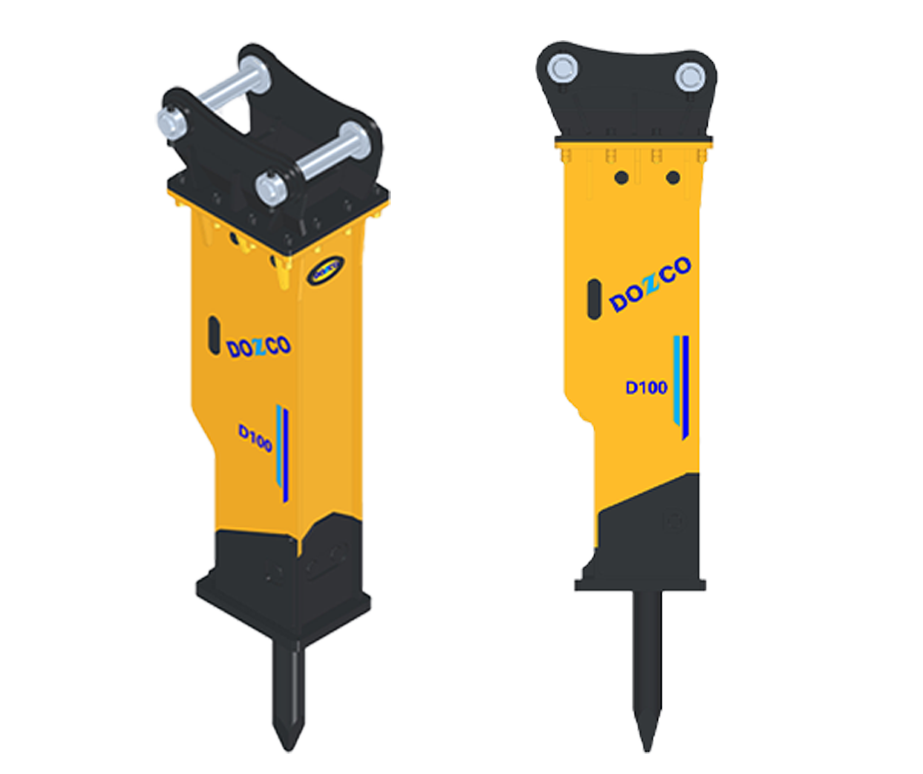
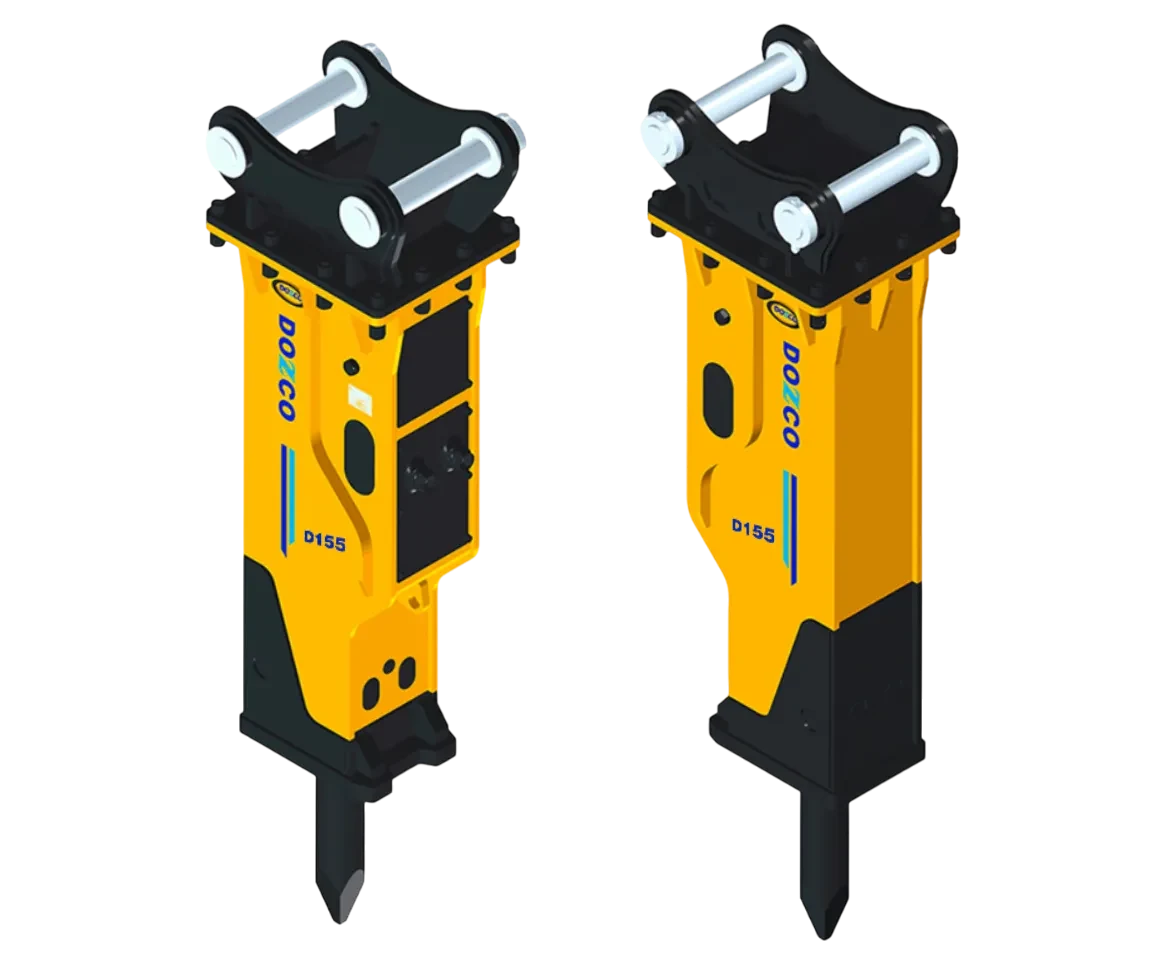
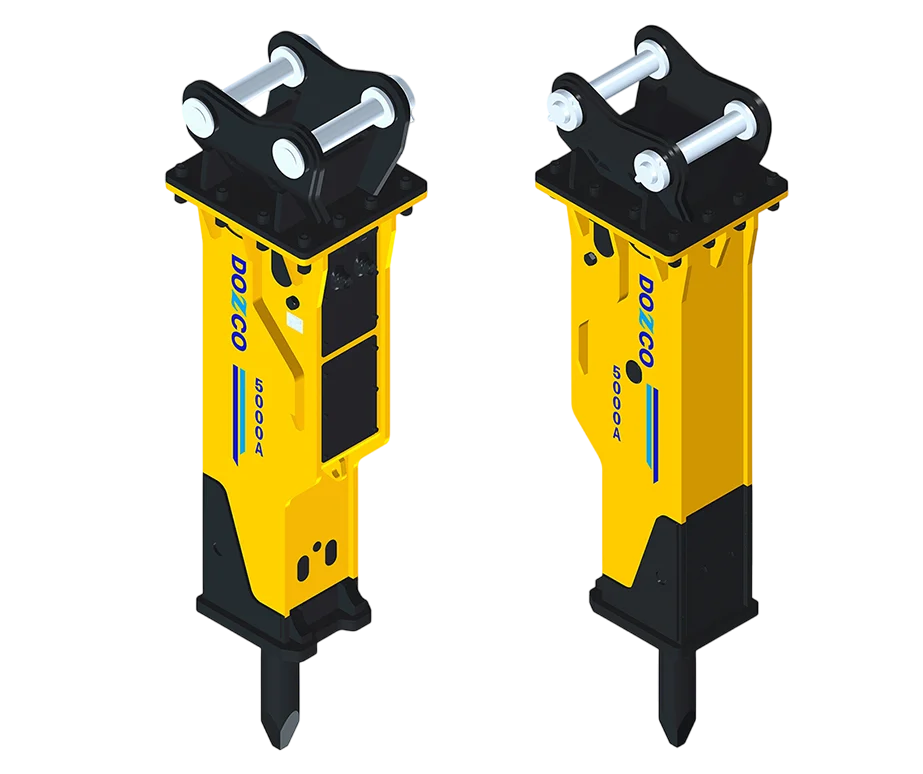
DOZCO rock breakers are easy to use, and operators can control how failure happens, avoiding broad, uncontrolled collapse.
Why Rock Breakers Suit Controlled Demolition Environments
When using rock breakers, operators can choose problem areas, open joints, or reduce mass in tight spots. They remove the one layer first, then work deeper once load paths adjust. That makes breakers useful where parts of a structure need to remain in place until other supports are installed or when demolition must proceed alongside ongoing operations.
Functional Features of DOZCO Rock Breakers
Modern hydraulic breakers come with various features that have made them easier and safer when working on a demolition site. DOZCO rock breakers are compatible with a wide range of heavy-duty machines, such as Mini to Large Excavators, Backhoe loaders, and Skid steer loaders. The user-friendly design makes it easier to operate for both primary and secondary breaking. The hydraulic rock breakers come with exclusive features such as:
Anti Blank Firing (ABF)
This feature automatically stops the breaker from firing when the tool is not firmly pressed against the material. This prevents idle blows and reduces damage to internal components.
Auto Greasing
Some rock breakers, like DOZCO D110 and DOZCO D115 rock breakers, come with optional auto greasing. This means the breaker supplies grease automatically to critical wear areas during operation. Hence, the rock breakers’ components stay lubricated, which reduces manual maintenance and also improves life span.
Air Check Valve
This feature maintains proper internal pressure balance by controlling air movement inside the breaker. During the demolition process, this helps the attachment to stay more stable.
Rigid Dampening System
This feature can absorb vibration and shock, which reduces stress on the breaker body and minimizes vibration transfer to the carrier.
2-Stroke Adjuster
Allows switching between long stroke (high impact, low BPM) and short stroke (low impact, high BPM). This helps match breaker performance to different materials and applications.
BPM Adjuster
Adjust blows per minute according to job requirements, so the operators have better control over breaking speed, efficiency, and tool wear.
How Rock Breakers Supports Environmental Considerations
Demolition using explosives involves dust, vibration, and noise pollution. Using rock breakers can limit it considerably. Since the breakers break down structure into smaller, more predictable fragments, waste handling and sorting also become much easier.
This helps projects meet local regulations and community expectations while making it easier to segregate material for reuse or recycling.
Besides, when breaking down buildings, bridges, or other infrastructures, there are several materials that can be recycled and reused. Controlled demolition makes it easier to separate clean fragments from contaminated debris, which increases recycling value. This also reduces the volume of material sent to landfill.
Operational Best Practices
When using rock breakers in a controlled demolition plan, operators need to focus on two things: choosing the right tool and coordination. It is always a better idea to plan the tasks properly instead of rushing into them. Always install temporary supports or bracing first, so the structure stays stable while breaking begins. As the breaker operates, be conscious of vibrations and any unexpected movement in the structure.
Also, try not to run the breaker continuously for long periods. You can use short bursts instead. This prevents overheating and gives the operator time to check how the structure is responding after each pass. Small pauses help avoid damage and improve control.
Wrap Up
Rock breakers are considered a reliable attachment for controlled demolition projects. They offer adequate power while also allowing operators to control the situation so there is no safety risk. However, when choosing a hydraulic breaker, it is essential to keep in mind that you need to make sure the attachment is compatible with the carrier machine to make the process more efficient.
FAQs
What is the purpose of a rock breaker?
A rock breaker is used to break hard materials like concrete and rock in a controlled way, reducing structural safety without sudden collapse or blasting.
How are hydraulic rock breakers used in controlled demolition?
Hydraulic rock breakers remove structures layer by layer, helping engineers control load shifts, vibration levels, and debris movement during demolition work.
Why are rock breakers preferred over blasting in urban demolition?
Rock breakers offer better control, lower vibration, reduced noise, and minimal dust, making them safer for demolition near buildings, roads, and utilities.
What types of demolition projects use hydraulic breakers
They are used in building demolition, bridge dismantling, industrial plant upgrades, redevelopment projects, and sites where partial structures must remain stable.
How do rock breakers improve demolition safety?
They allow operators to target specific sections, avoid uncontrolled collapse, and stop work instantly if movement, vibration, or structural instability is detected.
Popular Tags:
No tags for this postCategories
- All (17)
- Excavator Hammer (1)
- Excavator Spare Part (1)
- Idler Wheel (3)
- Rock Breakers (5)
- Track Link Assembly (2)
- Undercarriage (4)