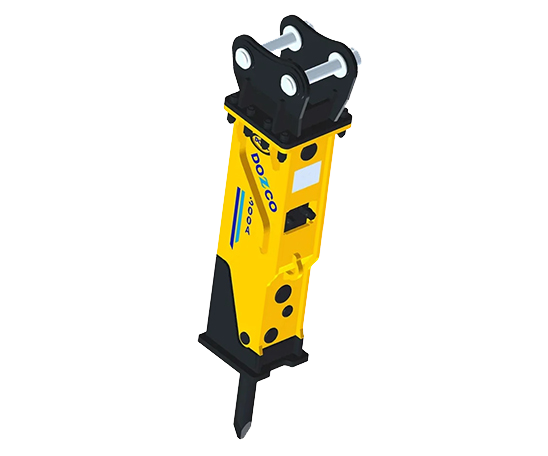
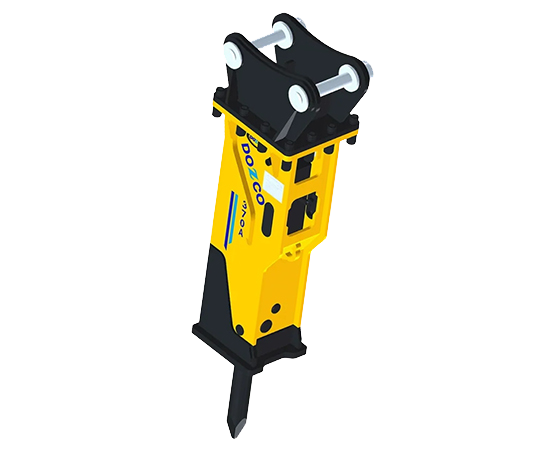
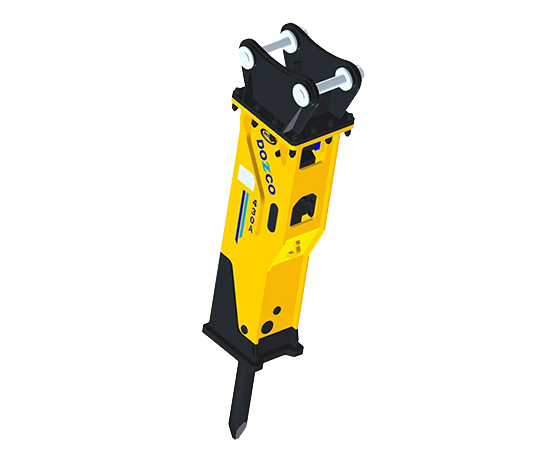
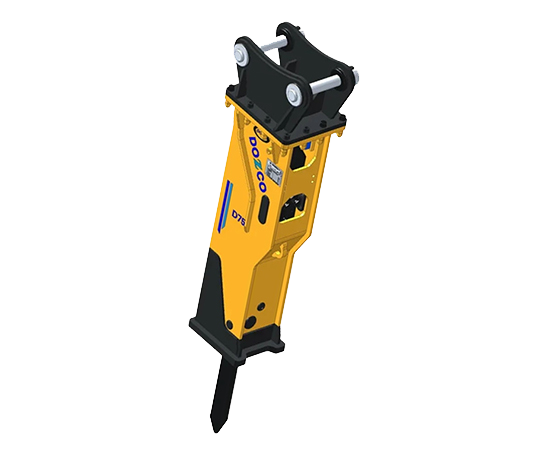
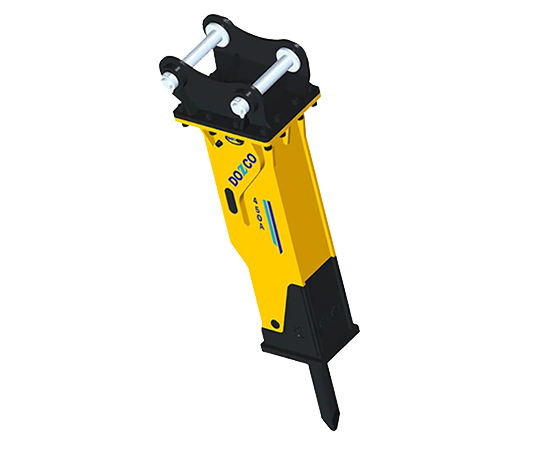
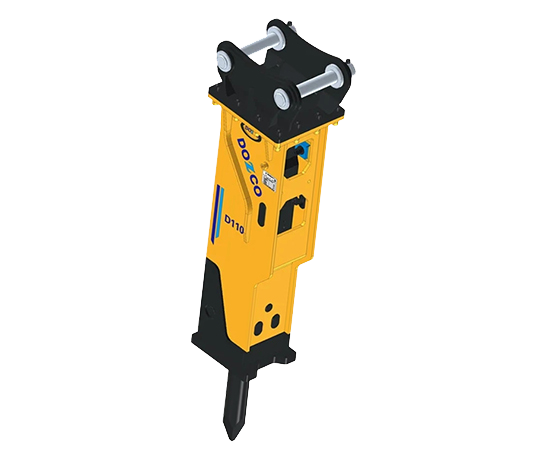
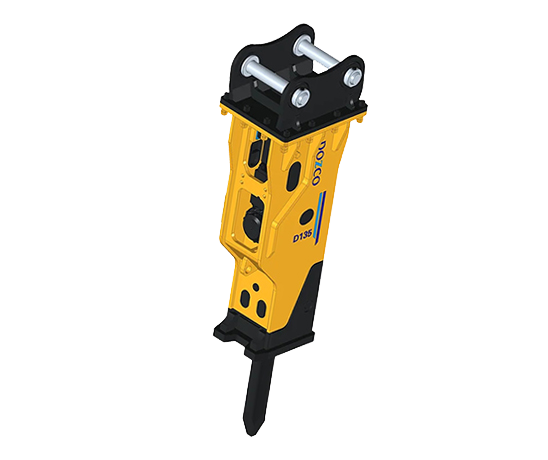
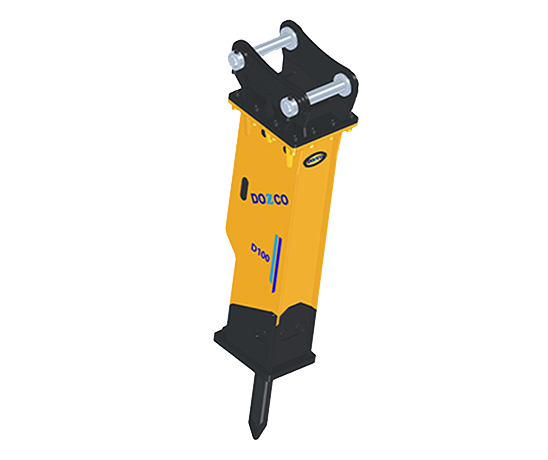


How Hydraulic Oil Flow and Pressure Affect Rock Breaker Performance
 ">
">
- Last Modified: 01 Apr 2026
-
Priyankar Das


Hydraulic rock breakers have proven their performance in harsh environments. However, operators often face challenges with productivity. It’s not just about impact energy. Performance depends far more on how hydraulic oil behaves inside the system.
Oil flow and pressure decide how efficiently energy flows from the carrier to the tool. Using contaminated hydraulic oil for rock breakers or inadequate pressure surfaces several challenges. Sudden breakdowns become common. Productivity starts to drop. Operators and fleet owners often have to deal with unnecessary component wear.
This article explores the importance of hydraulic oil flow and pressure for rock breakers. Read on to know more!
Why Monitor Hydraulic Oil Flow and Pressure of Rock Breakers?
In rock breakers, hydraulic oil does more than move the piston. It controls timing, absorbs shock, and stabilises the entire impact cycle. Flow determines how frequently the piston strikes, while pressure defines how much energy each strike carries.
If either parameter moves outside the recommended range, the breaker may still operate, but not efficiently. Over time, this imbalance transfers stress into bushes, seals, tools, and even the carrier hydraulics.
Regular monitoring helps catch early signs before damage becomes visible.
Read More: Hydraulic Rock Breaker Efficiency
How Hydraulic Oil Flow Affects Rock Breaker Behaviour
Hydraulic oil flow controls the piston cycle rate, measured as blows per minute (BPM). When the flow is lower than required, the piston does not complete its stroke efficiently. Impact frequency drops, penetration becomes inconsistent, and operators often compensate by increasing thrust. This extra force does not improve breaking. It increases vibration transfer to the boom and accelerates wear on front-end components.
When flow is higher than specified, oil moves faster than internal components are designed to manage. This raises oil temperature, weakens seals, and increases internal leakage. Over time, excessive flow shortens service intervals and reduces overall breaker life.
Correct flow allows the breaker to strike at a steady rhythm without overheating or internal instability.
How Hydraulic Pressure Influences Impact Energy
Pressure determines how hard the piston strikes the tool. With low operating pressure, the breaker produces shallow impacts. The tool fails to seat properly, causing rebound and frequent blank firing. Productivity drops, especially in dense or compact rock, even though BPM may appear normal.
With excessive pressure, the impact force exceeds what internal components are designed to absorb. This leads to tool mushrooming, piston rebound shock, loosening of through-bolts, and cracking of structural parts. High pressure increases stress but not efficiency.
Common factors that disturb oil flow and pressure
Most issues arise from operating or maintenance conditions rather than component failure.
Typical causes include:
- Contaminated hydraulic oil restricting valve movement.
- Clogged filters creating pressure drops.
- Collapsed or internally damaged hoses.
- Incorrect relief valve settings.
- Use of wrong oil viscosity for ambient temperature.
- Skipped flushing during installation.
- Pump wear or undersized carrier hydraulics.
- Prolonged operation at a single breaking point.
How to Maintain Stable Performance in DOZCO Hydraulic Breakers
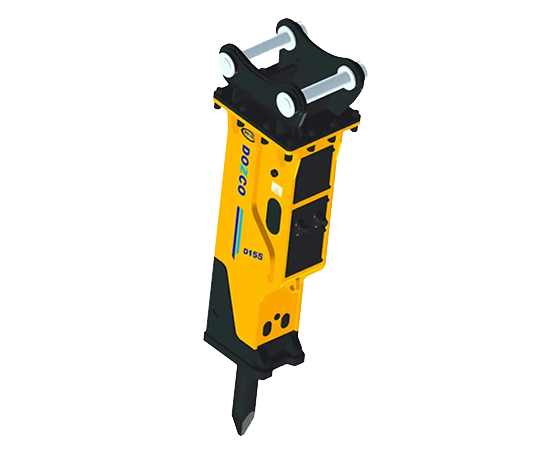
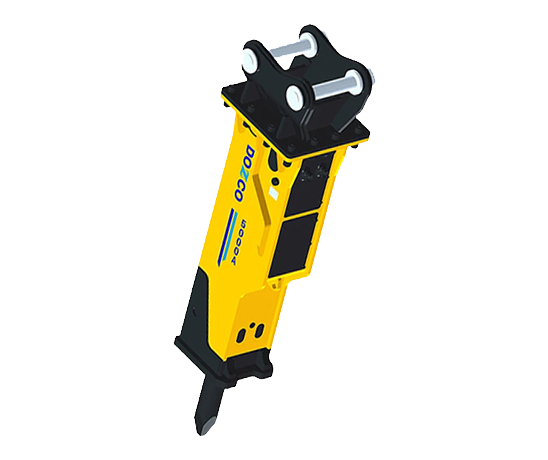
DOZCO hydraulic rock breakers are designed with gas-assisted accumulators, controlled valve response, and rigid dampening systems to handle demanding conditions. However, even robust designs depend on proper oil behaviour.
To maintain consistent performance:
Installation and setup
The performance and productivity of a hydraulic rock breaker begin with how the attachments are installed.
- Flush all hydraulic lines before commissioning.
- Measure actual oil flow using a flow meter.
- Set operating and relief pressure as per breaker specifications.
- Charge nitrogen in the back head and accumulator to recommended levels.
Routine maintenance
There is no replacement for routine maintenance.
- Replace hydraulic filters at defined intervals.
- Inspect wear bushes and rod pins every 50 operating hours.
- Monitor oil temperature during extended operation.
- Check through-bolt tightness and seal condition regularly.
Operator practices
Here are a few operational practices that operators need to follow:
- Maintain a 90° working angle.
- Avoid continuous operation beyond 20–30 seconds at one spot.
- Reposition frequently to reduce heat buildup.
- Apply correct thrust, neither excessive nor insufficient.
- Follow greasing intervals strictly, adjusting for site conditions.
Conclusion
For rock breakers, hydraulic oil flow and pressure are not background settings; they are performance controls. When kept within range, the breaker delivers predictable output, stable operation, and longer service life. When ignored, small deviations lead to reduced productivity and costly repairs.
For operators, disciplined checks and correct working habits matter as much as breaker design. When oil behaviour is managed correctly, hydraulic rock breakers perform exactly as they are meant to, day after day, without surprises.
FAQs
Why is hydraulic oil important for rock breaker performance?
Hydraulic oil controls piston movement, impact timing, and shock absorption. So, if the oil is not correct or contaminated, it can directly affect strike efficiency, component wear, and overall breaker productivity.
What happens if the hydraulic oil flow is too low in a rock breaker?
Low oil flow reduces piston cycle speed. It can also lower impact frequency and cause inconsistent penetration.
Can high hydraulic oil flow damage a rock breaker?
Yes. Excessive oil flow reduces the breaker’s overall service life. It increases operating temperature, and the seals start to weaken, leading to internal leakage.
How often do you need to check hydraulic oil flow and pressure?
You should check the hydraulic oil flow and pressure when installing the rock breaker. Check it after major maintenance. Also, it is recommended to inspect periodically during operation to avoid performance issues.
Popular Tags:
No tags for this postCategories
- All (21)
- Excavator Hammer (1)
- Excavator Spare Part (1)
- Hydraulic Rock Breaker (1)
- Idler Wheel (3)
- Rock Breakers (6)
- Track Guards (1)
- Track Link Assembly (2)
- Undercarriage (5)