
The Best Hydraulic Hammers for Australian Construction Conditions
 ">
">
- Last Modified: 09 Feb 2026
-
Priyankar Das


Australia’s construction sites can be harsh, which pushes machinery to the limit. You might be working in a Northern Territory mine under 40°C heat and heavy dust conditions that routinely overheat or clog standard breakers. At the same time, a chronic labour and skills shortage means every breakdown costs dearly. In such an environment, choosing a hydraulic hammer designed for durability and high productivity is crucial. The right breaker can turn tough tasks like rockbreaking, trenching, and demolition into routine work, keeping your project on schedule rather than stalled by equipment failures.
In this article, we will discuss why you need reliable excavator hammers for construction projects in Australia and the best practices:
Challenges in the Australian Construction Landscape
Let’s take a look at the unique challenges construction companies face in Australia:
Harsh Environment:
Australian sites are versatile, including blistering deserts to tropical coasts. The heat can rise up to 40°C, along with abrasive dust and sand, or sudden downpours can damage equipment. Rock breakers that can suffer these extremes might shut down or wear out quickly.
Tough Materials:
Many projects involve dealing with extremely hard rock like granite, basalt, and quartzite, or reinforced concrete. To break these materials down, you need high-impact energy to fracture. A small rock hammer on hard rock will only slow down the project speed, which can impact how much work you can complete per hour. Larger excavator hammers powered by hydraulic can blast through in minutes what manual or weaker tools take hours to crack.
Remote Operations:
When it comes to large infrastructure or resource projects, they are often in remote locations. This means if the attachment needs maintenance or repair, it will be hours or days from the major service centres. Sudden breakdown on-site means waiting for parts and technicians, wasting days. Plus, logistical delays magnify the impact of any outage.
Labour and Skills Shortages:
Recent industry reports highlight the labour shortages and rising operational costs in Australia. You might have noticed it in your workplace as well. Fewer skilled hands, longer shifts, and tighter deadlines. As a contractor, you need tools that work harder and longer. A hydraulic hammer that requires less fiddling and fewer stops for adjustment or repairs can make up for gaps in manpower.
How Hydraulic Hammers Help Resolve these Challenges
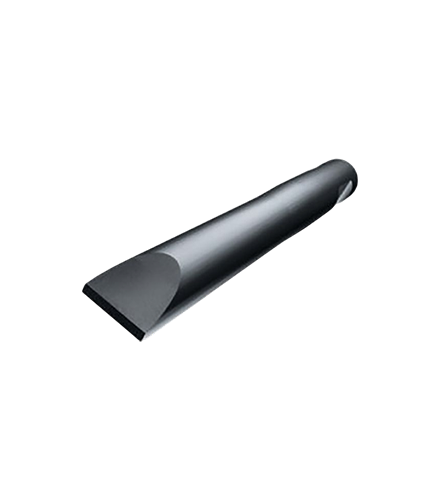
Hydraulic hammers, or rock breakers, operate by converting the carrier machine’s hydraulic pressure into rapid, powerful blows through a steel moil or chisel. You can use these attachments several times. They offer high precision, unlike explosives, making them ideal for urban and remote jobs alike. Modern breakers even come with adjustable controls, including blow rate and energy, so they can be used to deal with different materials.
Besides, blank firing causes internal damage to the machine as well as the attachment. That is why many models also have safety features like Anti-Blank Firing (ABF), which prevents the piston from striking if the tool isn’t bearing on rock. When you choose a quality hydraulic breaker, it boosts per-hour output by delivering the right impact power exactly where it’s needed, while minimizing downtime.
Choosing the Right Rock Breaker for the Job with DOZCO
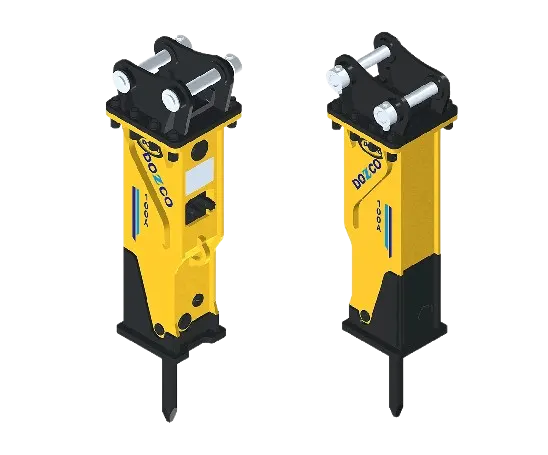
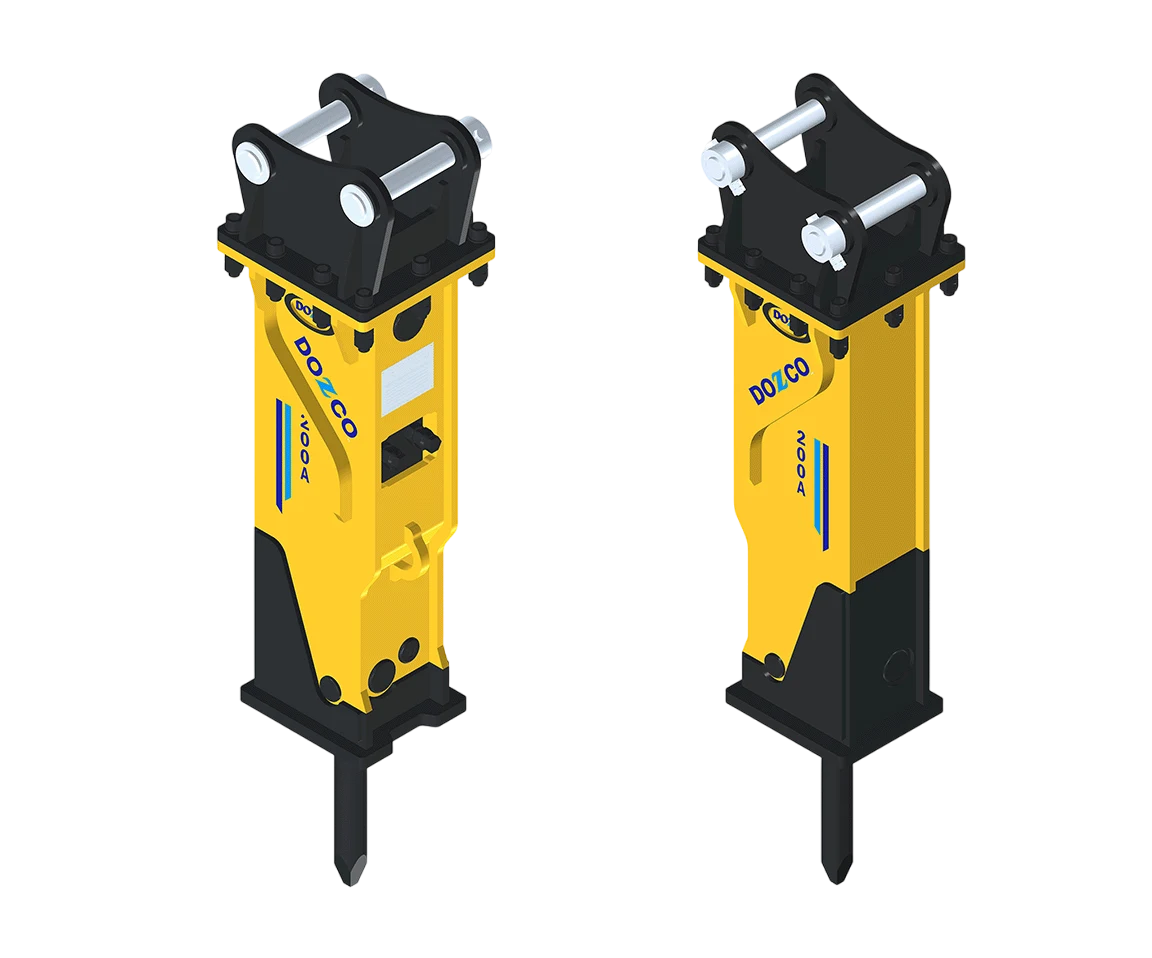
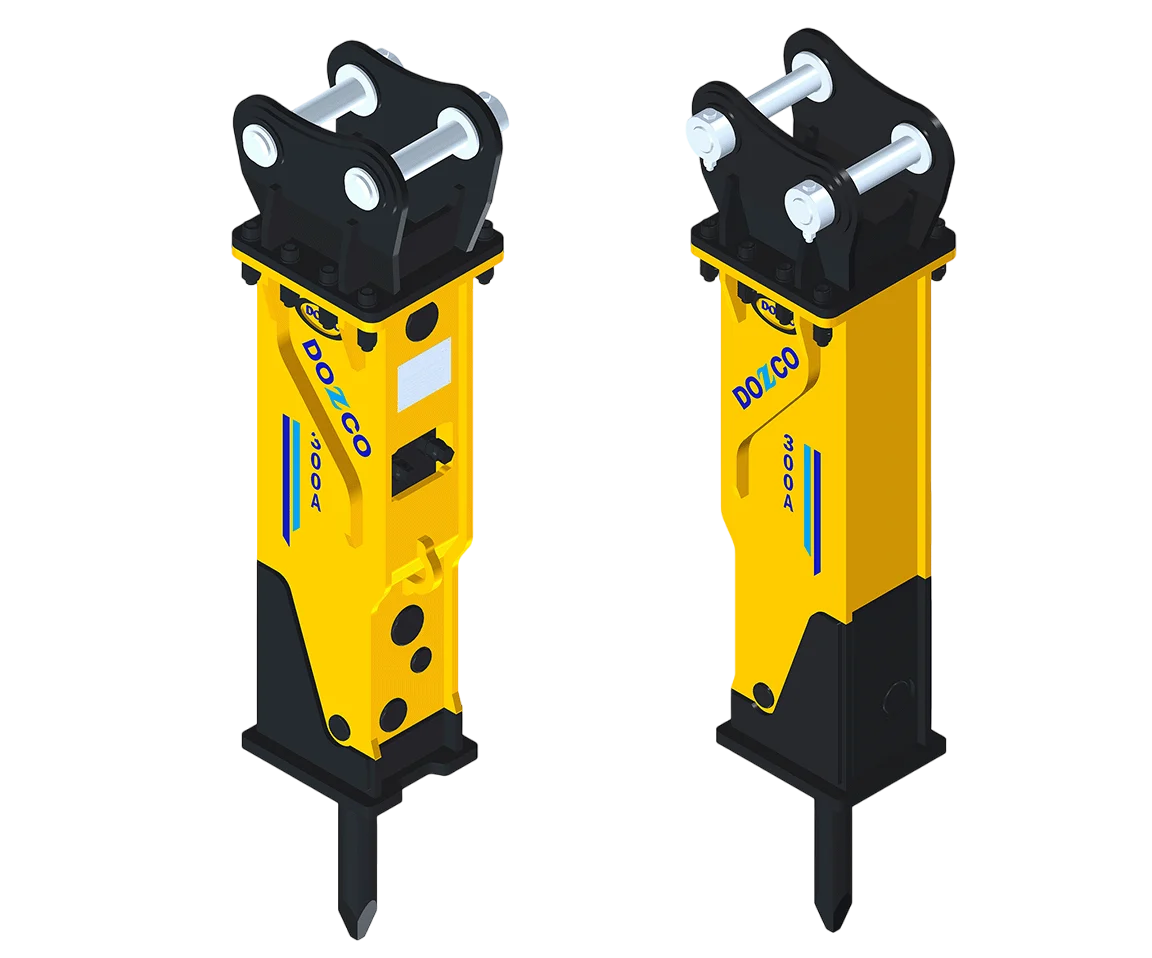
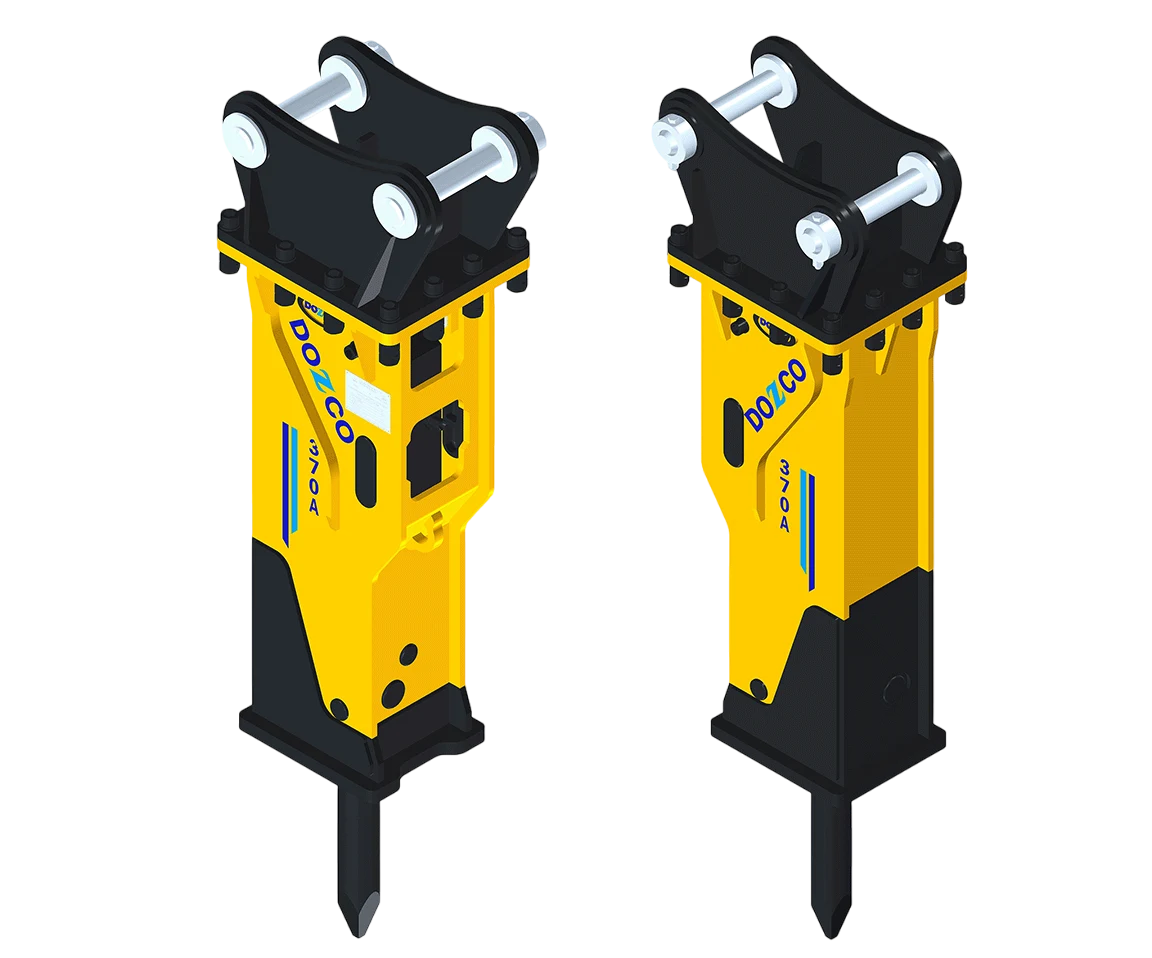
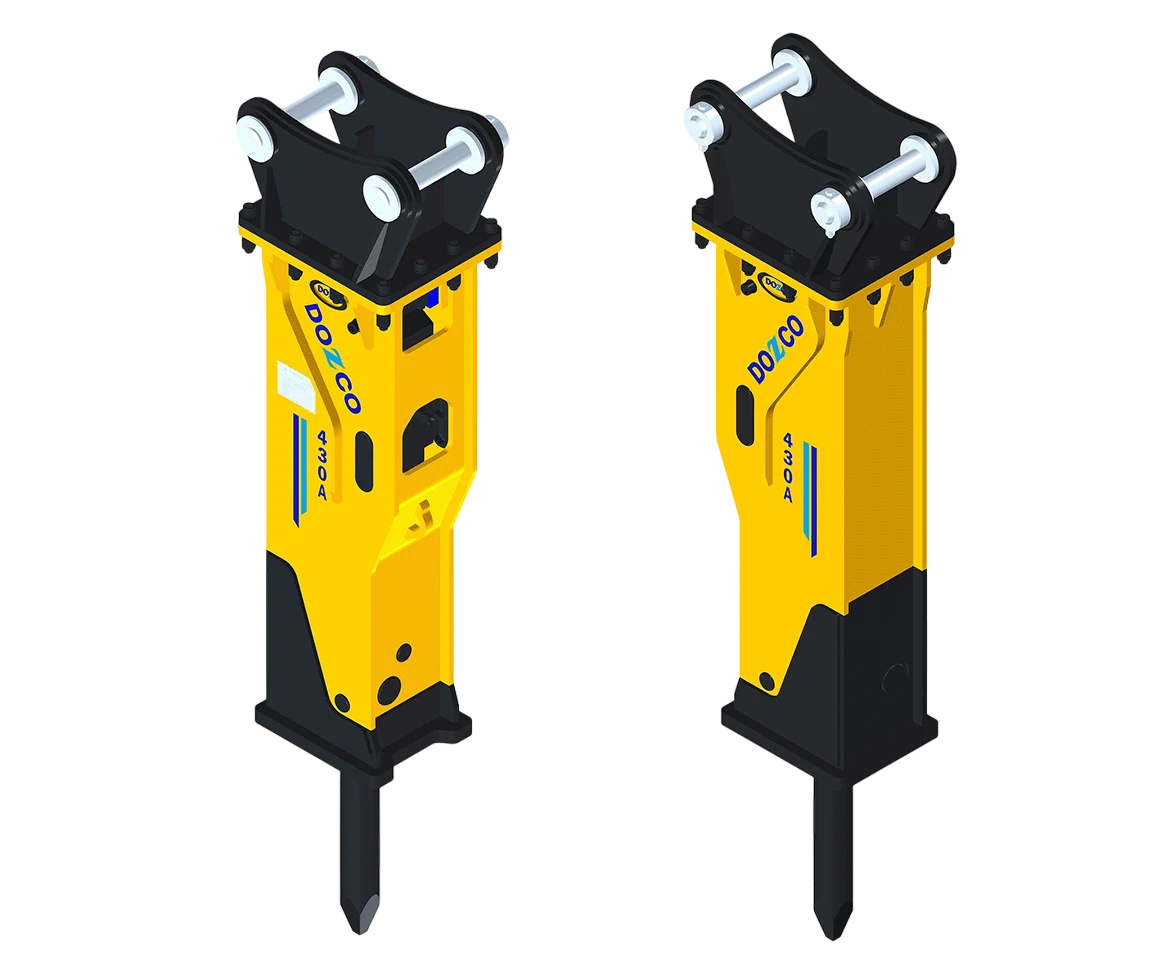
Selecting the right hydraulic hammer starts with matching the breaker’s size and power to your carrier machine and the nature of your work. At DOZCO, we offer a wide range of hydraulic hammers that are ideal for Australia’s demanding environment. For instance:
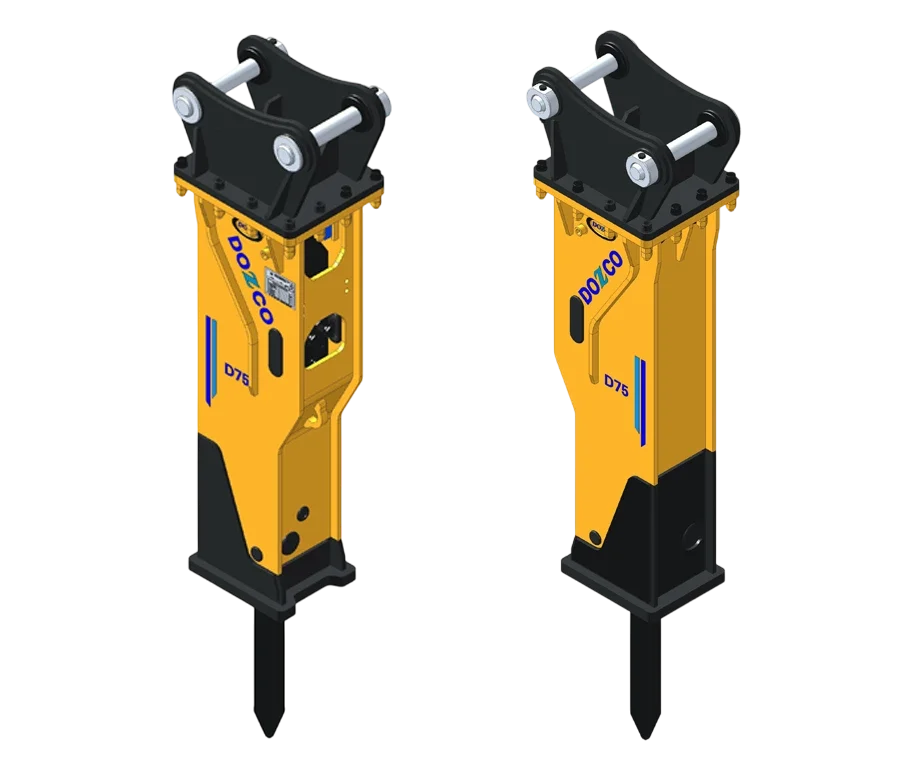
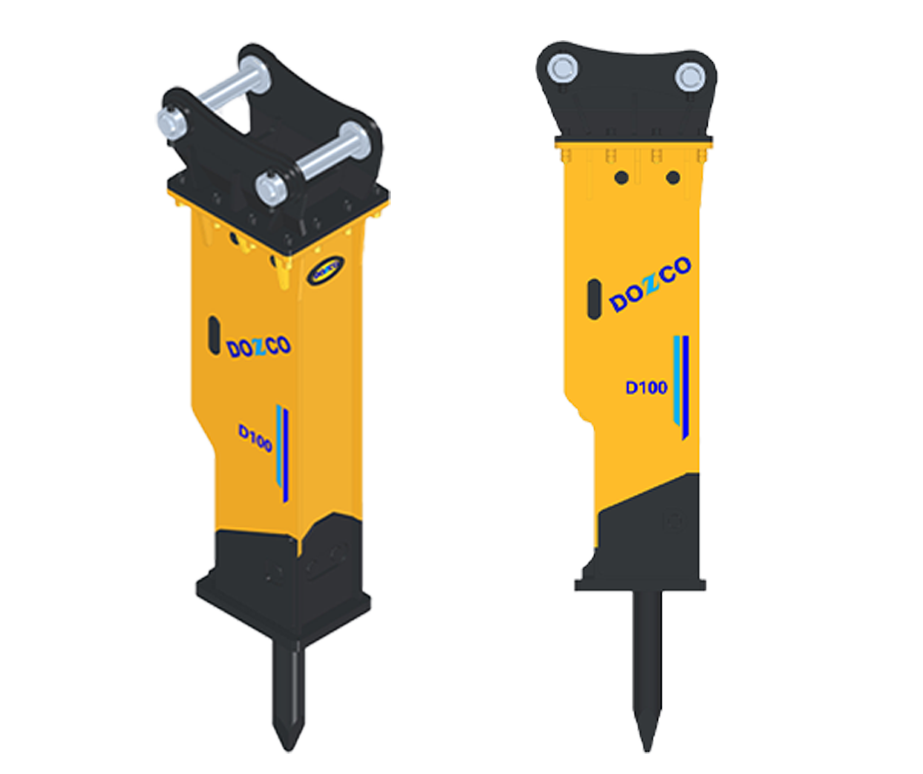
- A light-range model like the DOZCO D75 (426 kg operating weight) is built for this range. It has a 75 mm tool and a high blow frequency (400–800 bpm) to chip concrete and asphalt quickly, yet remains compact enough to work in tight city sites.
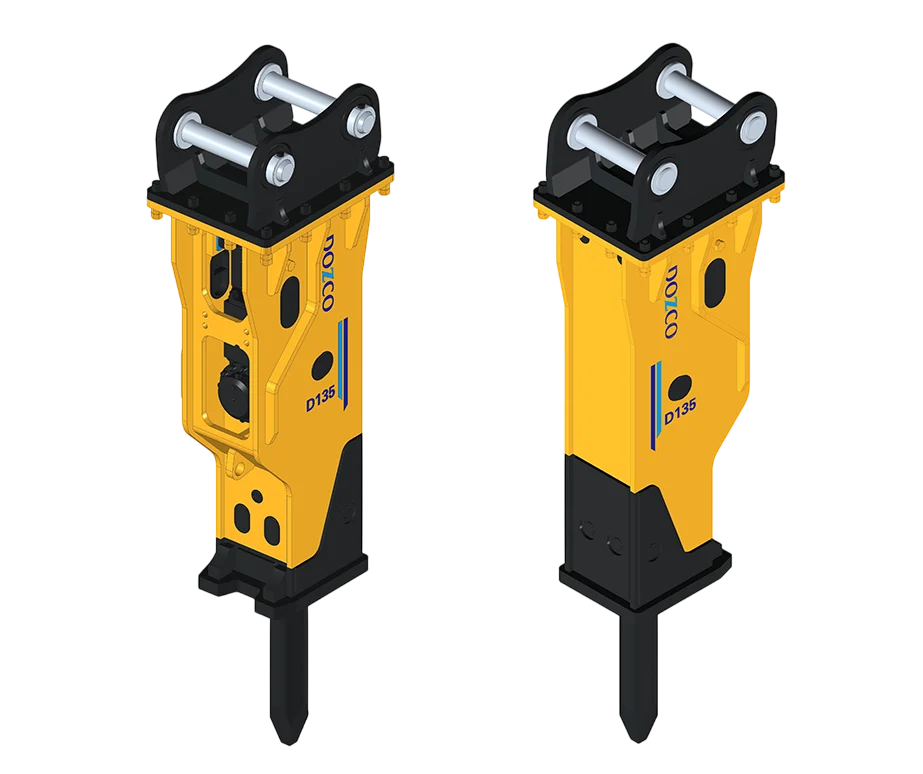
- Mid-range breakers suit 10–26 t excavators on civil projects; for instance, the DOZCO D135 (1725 kg) handles reinforced concrete and moderate quarrying with a 135 mm tool. It delivers powerful blows (350–500 bpm) while mounting on a typical 20 t excavator.
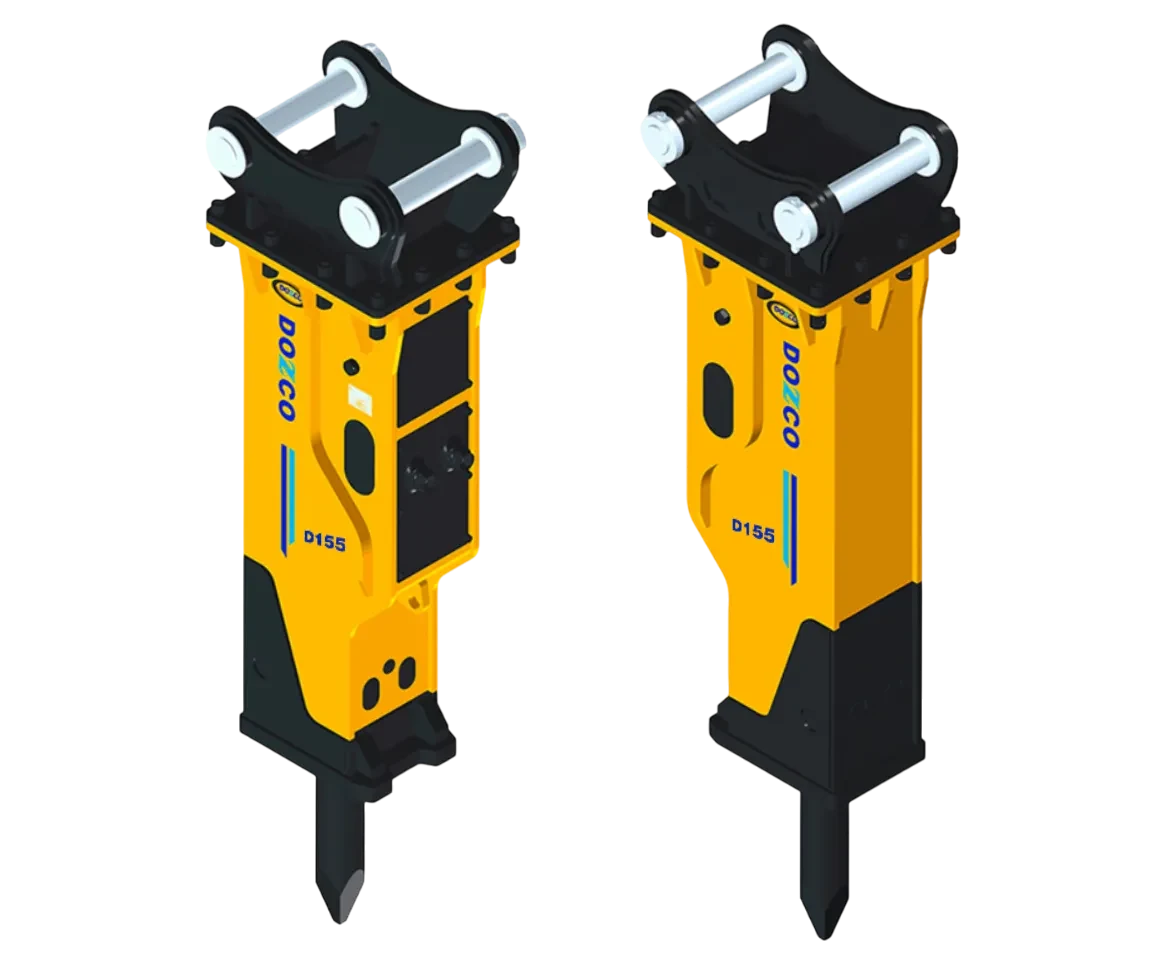
- For heavy-duty work (mining, large quarries on 30–100 t carriers), you need a big breaker like the DOZCO D155 (2550 kg). This beast has a 155 mm tool, and its design includes ABF and even automatic lube options, which is ideal for breaking granite or basalt smoothly under a 35 t+ machine.
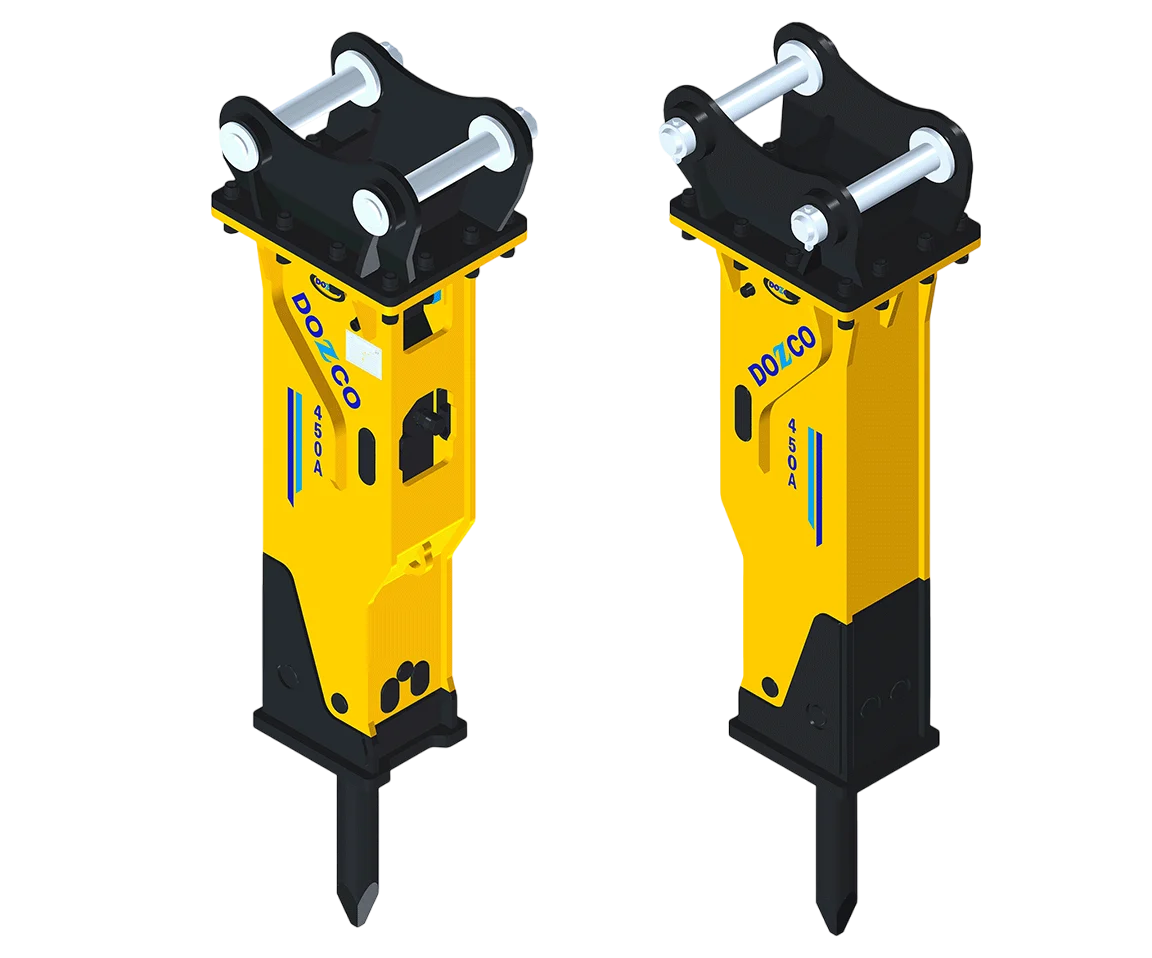
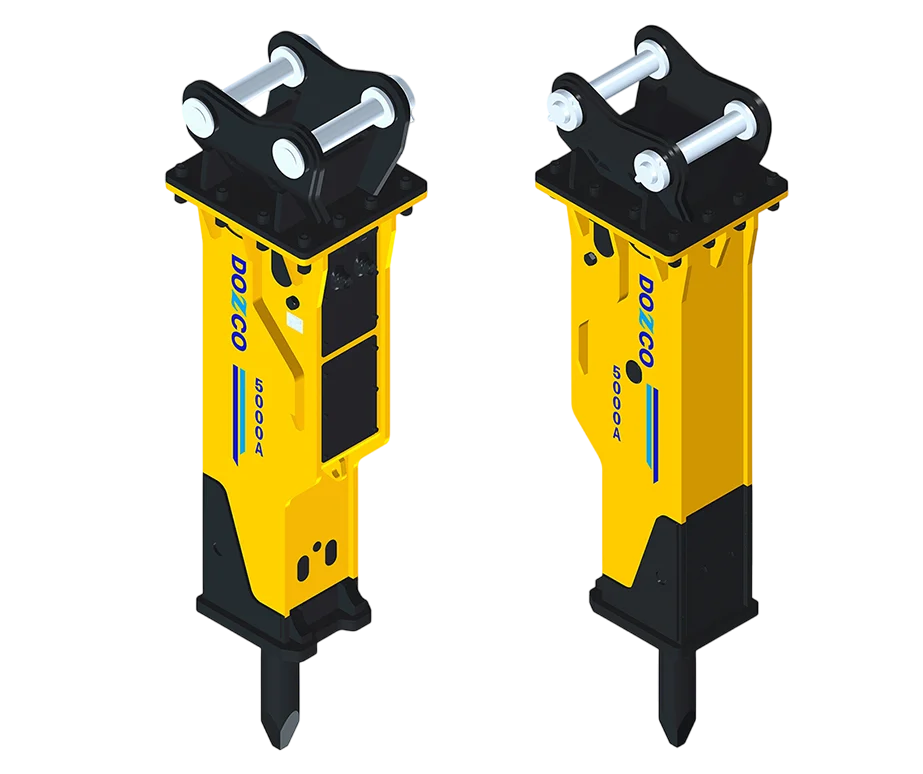
- Ultra-heavy models round out the range: DOZCO’s 4000A and 5000A breakers (for 40–60 t excavators) weigh 3.5–4.3 t and pump 200–320 L/min flow through 165–175 mm chisels. These can tear down massive boulders that smaller units simply couldn’t.
Best Practices When Using Hydraulic Hammers: What to Keep in Mind
Whether you own or rent a rock breaker, following good practices is the best way to maximize your productivity and ROI (return on investment):
Inspect and Maintain:
No matter how durable an attachment is, it still needs frequent inspection and maintenance. So, check the hammer for wear, loose pins, or oil leaks before using it. It may not seem much, but even a small crack in the housing or a worn bushing can lead to failure under heavy impact. Clean the hydraulic lines to remove debris and prevent valve damage. Also, make sure service kits are equipped with everything you need, especially when working in remote locations.
Check Compatibility
Every breaker has specific flow (L/min) and pressure requirements. So you should always check your carrier machine’s pump rating and pressure settings before connecting. If the oil supply is not enough, it can cause sluggish blows, while oversupplying can overheat the hammer. Avoid operating the attachment beyond the recommended range, as it leads to premature wear. It’s better to just check the manufacturer’s manual to pick the right breaker-to-carrier pairing.
Lubrication and Automatic Grease:
Excavator hammers also need grease to function smoothly and avoid wear and tear due to friction. For heavy-duty attachments like a rock breaker, a lithium-based extreme-pressure grease is mostly used, but it may change depending on the work environment. Apply the grease on the tool shank and moving parts every few hours of operation.
At DOZCO, our models offer optional auto-lube systems that continually feed grease to pins and bushings. This reduces downtime and wear.
Don’t Blank-Fire
Never, we repeat never, blank-fire the hammer. When you fire the hydraulic hammer while it is not touching the material, it causes unnecessary stress and vibration. Always work with the hammer tip firmly in contact with the rock/concrete before pulling the trigger. Modern breakers often come with anti-blank-firing (ABF) valves to prevent this abuse.
Follow Safety Protocol
Since you are dealing with reinforced concrete or rocks, as an operator, you should always wear full PPE, including a hard hat, ear/eye protection, and steel-toe boots. Make sure that people working on the site are at a safe distance, as debris can fly with each blow and might injure someone. Proper training in operation and emergency procedures will ensure you get the best performance without incident.
A Concluding Thought
Many construction sites in Australia need hydraulic hammers that can offer power and durability. By choosing a breaker size for your machine and material and by maintaining it properly, you can dramatically increase productivity. At DOZCO, we manufacture rock breakers that can withstand hard soils, dense rock, and long operating hours without breaking down.
FAQs
My hydraulic hammer keeps overheating in high temperatures. What should I check first?
Overheating in 35–40°C conditions often happens when the hydraulic flow is too high, the oil is old, or the hammer is being used continuously without breaks. Check your flow rate, clean the hydraulic lines, and inspect the bushing for wear. If it’s a DOZCO hammer, ensure ABF (Anti-Blank Firing) is enabled to avoid excess internal heat from misfires.
The hammer feels weak when breaking hard rock like basalt. Is the breaker too small?
Possibly. Hard materials such as basalt or granite require higher impact energy. A light-range breaker (like D75) will struggle on these formations. You may need a mid- or heavy-range breaker such as the D135 or D155. Always match the breaker category to rock type and excavator weight.
How do I know if my excavator can handle a particular hydraulic hammer?
Each breaker has specific flow (L/min) and operating pressure requirements. You must compare your excavator’s pump output with the breaker’s recommended range. If the flow is too low, the blows become weak. If too high, you risk overheating and seal damage. Check the machine manual or consult DOZCO’s compatibility chart.
Is blank-firing really that damaging? I see operators do it all the time.
Yes, it’s one of the fastest ways to destroy a hammer. Blank-firing causes the piston to slam into empty space, creating shock loads that crack bushings and damage internal seals.
Popular Tags:
No tags for this postCategories
- All (17)
- Excavator Hammer (1)
- Excavator Spare Part (1)
- Idler Wheel (3)
- Rock Breakers (5)
- Track Link Assembly (2)
- Undercarriage (4)